
Flower
Obscure Morning Glory
Ipomoea obscuraAlso known as Small White Morning Glory, Yellow Morning Glory
Obscure morning glory is a slender twining vine that produces delicate bell-shaped flowers ranging from pale yellow to creamy white with a deep purple central eye. Native across tropical Africa, Asia, and parts of the Pacific, it climbs fluidly over fences, shrubs, and low vegetation using fine herbaceous stems. The blossoms open under early morning light and typically wither by afternoon, giving way to smooth round capsules filled with toxic seeds.
VineFloweringClimbing
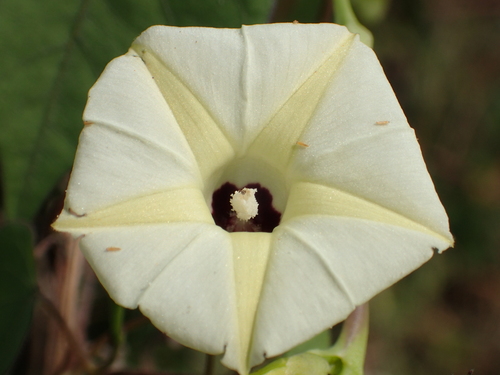
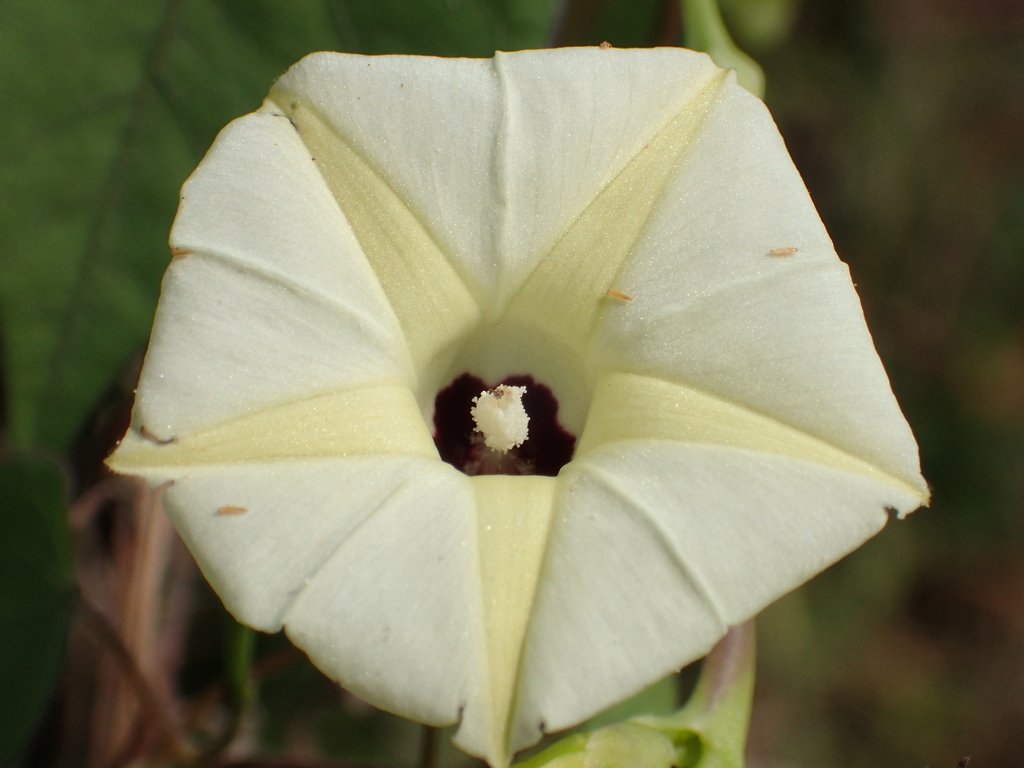
—observations
—countries
—peak records
Not EvaluatedConservation statusIUCN Red List categoriesLCNTVUENCREWEXNot Evaluated — not placed on the risk ladderRed List categories, explained →
Diet & preyAutotrophic (Photosynthetic)
Predators
- Tortoise beetles
- Spider mites
- Caterpillars
ThreatsHerbicides and land clearance in agricultural zones
HabitatsDisturbed soils, grasslands, thickets, coastal scrub, and road margins
Life spanPerennial or annual depending on local frost conditions
Classification
- OrderSolanales
- FamilyConvolvulaceae
- GenusIpomoea
- SpeciesIpomoea obscura
Range data is not available yet.
Interaction riskHigh
- Low
- Moderate
- High
- Very high
- Why interaction risk is high
- Seeds contain toxic alkaloids; do not ingest and keep away from pets and children.
- Why it is dangerous
- Seeds contain indolizidine and ergot alkaloids that cause nausea, vomiting, and neurological distress if ingested.
- How to recognize a risky encounter
- Look for slender twining vines with heart-shaped leaves and small cream or pale yellow flowers featuring a dark purple center.
- What to do
- Avoid eating any seed pods or plant parts, and clear trailing foliage from low areas accessible to pets.
Responsible observation
- Morning Photography: Visit early in the day when the blossoms are fully expanded before afternoon sunlight wilts them.
- Garden Containment: Trim creeping shoots regularly to prevent stems from smothering neighboring foliage.
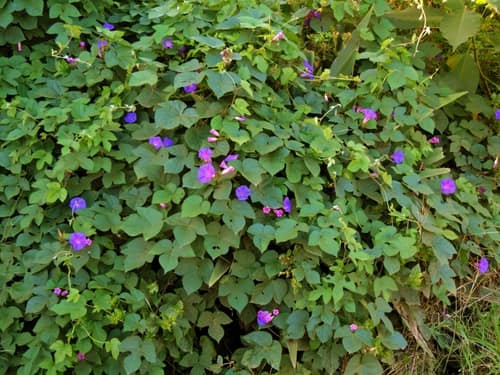
Close Relative (c) i_c_riddell, some rights reserved (CC BY), uploaded by i_c_riddell · cc-by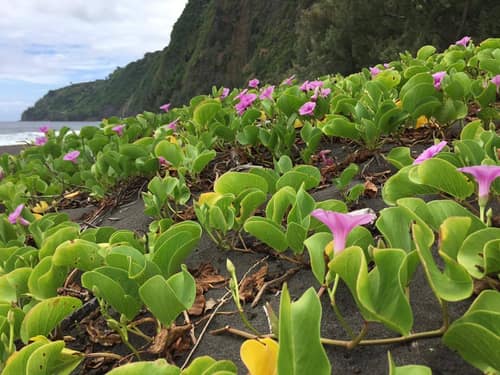
Close Relative (c) David George, some rights reserved (CC BY), uploaded by David George · cc-by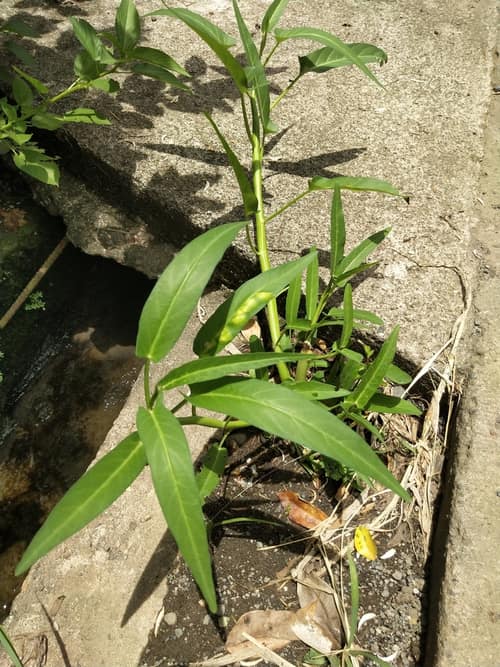
Close Relative (c) Greg III Espera, some rights reserved (CC BY) · cc-by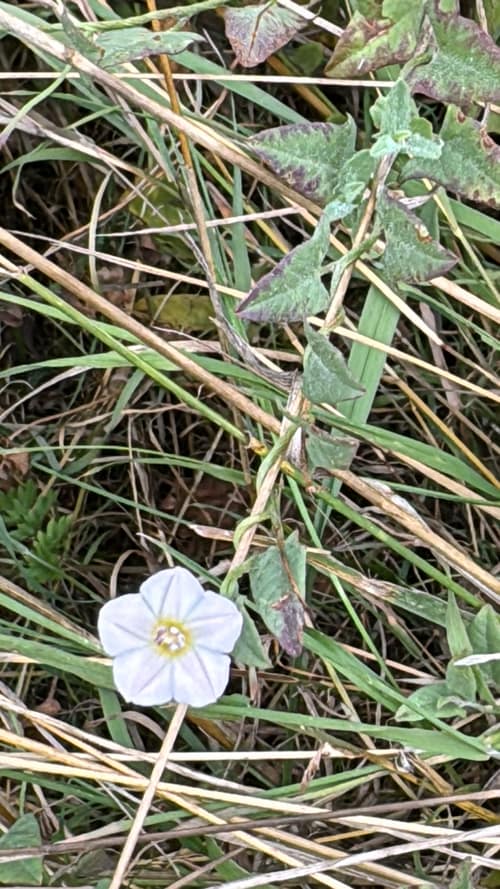
Family Member (c) William Stephens, some rights reserved (CC BY) · cc-by
Help improve the field guideSomething wrong?
Checking your Fauna account…Report a name, category, or profile issue for review.