
Flower
Tievine
Ipomoea cordatotrilobaAlso known as Cotton Morning Glory, Sharppod Morning Glory, Three-Lobed Morning Glory
Tievine is a vigorous trailing or climbing morning glory that quickly blankets fence lines, field margins, and open thickets with slender, twine-forming stems. Its funnel-shaped blossoms range from pale lavender to vibrant purple with a deep violet center, opening in the morning sun and fading by late afternoon. Emerging from an enduring tuberous taproot, it resprouts readily after mowing or winter frosts, making it a remarkably resilient native pioneer plant.
Climbing VineWildflowerDrought Tolerant
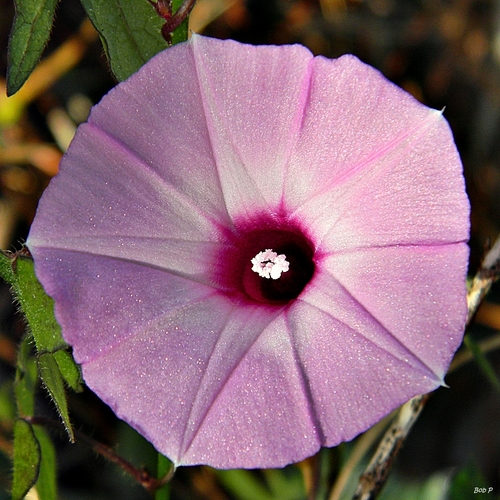
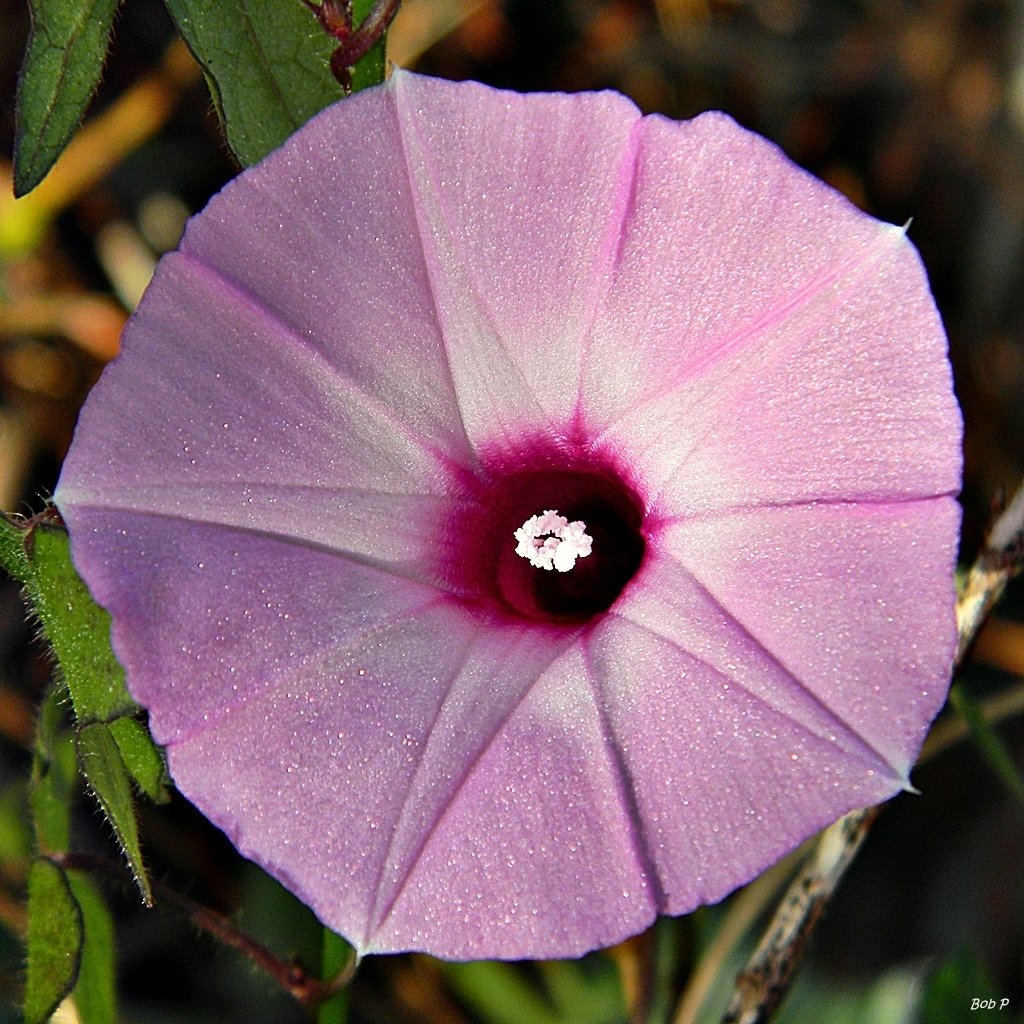
—observations
—countries
—peak records
Least ConcernConservation statusIUCN Red List categoriesLCNTVUENCREWEXLeast ConcernRed List categories, explained →
Diet & preySunlight, Soil nitrates, Groundwater
Predators
- Golden tortoise beetle
- Sweetpotato hornworm
- White-tailed deer
ThreatsAgricultural herbicide application, intense tillage, and competition from aggressive non-native vines
HabitatsRoadsides, fallow fields, pastures, ditch banks, open woods, and coastal dunes
Life spanPerennial (above-ground vines often die back to the taproot annually)
Classification
- OrderSolanales
- FamilyConvolvulaceae
- GenusIpomoea
- SpeciesIpomoea cordatotriloba
Range data is not available yet.
Interaction riskHigh
- Low
- Moderate
- High
- Very high
- Why interaction risk is high
- Seeds and foliage contain alkaloids toxic to pets and livestock; avoid ingestion.
- Why it is dangerous
- Seeds contain ergoline alkaloids that can induce vomiting, diarrhea, and tremors if ingested by pets or livestock.
- How to recognize a risky encounter
- Recognized by climbing stems, variable heart-shaped or deeply three-lobed leaves, and lavender to violet trumpets with dark throats.
- What to do
- Keep curious pets away from seeding pods and wash hands after clearing overgrown vines.
Responsible observation
- Morning Photography: Photograph blossoms early in the day before intense heat causes flowers to collapse.
- Root Inspection: Look near the soil surface to spot the swollen perennial taproot anchor.
- Garden Management: Prune aggressively along fences if attempting to keep it from smothering nearby perennials.
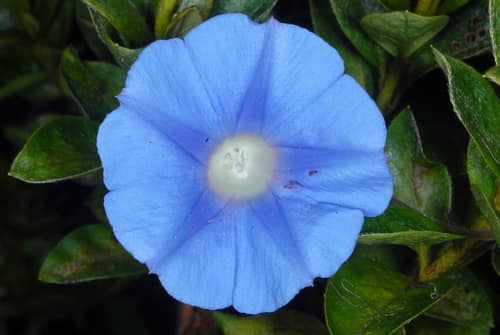
Competitor (c) Douglas Goldman, some rights reserved (CC BY-SA), uploaded by Douglas Goldman · cc-by-sa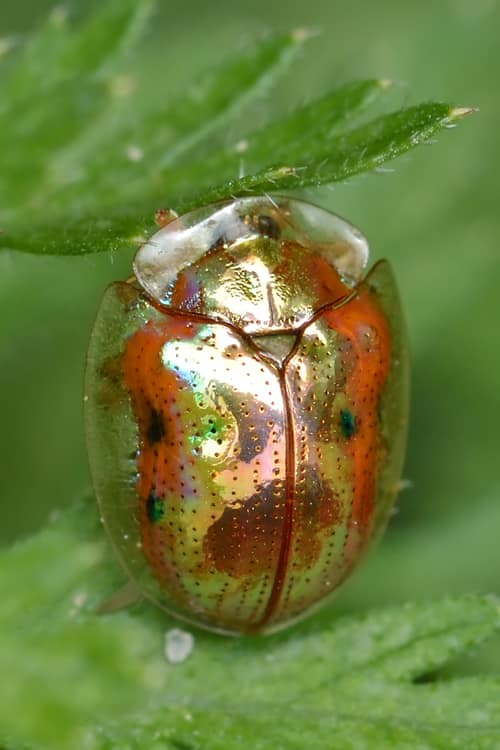
Herbivore (c) Ryan Hodnett, some rights reserved (CC BY-SA) · cc-by-sa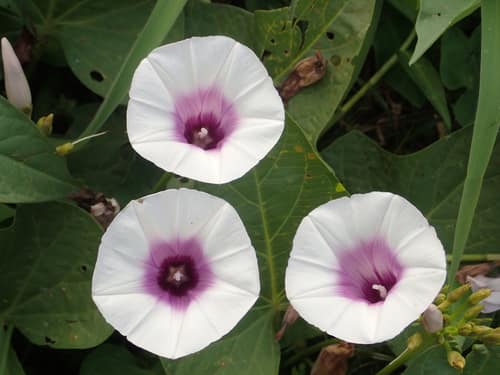
Close Relative no rights reserved, uploaded by 葉子 · cc0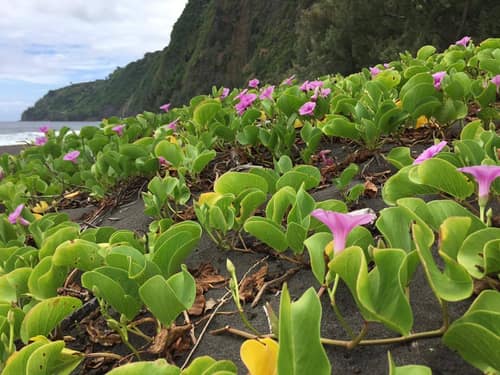
Close Relative (c) David George, some rights reserved (CC BY), uploaded by David George · cc-by
Help improve the field guideSomething wrong?
Checking your Fauna account…Report a name, category, or profile issue for review.