
Plant · GBIF taxon 2928538
Ivy-leaved Morning-glory
Ipomoea hederaceaAlso known as Kaladana, Ivy-leaf Morning-glory, Ivy-leaved Morning Glory
Ivy-leaved morning-glory is a fast-growing annual climbing vine that twists counterclockwise around supporting stems, fences, and crops. Its striking funnel-shaped flowers open at dawn in brilliant shades of blue and purple before fading to pink and closing by afternoon. Easily recognized by its three-lobed leaves and hairy, backward-curling sepals, this adaptable vine thrives in disturbed fields, roadsides, and gardens across North America.
ViningFloweringWildflower
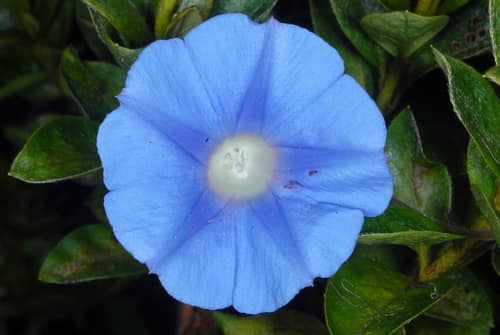
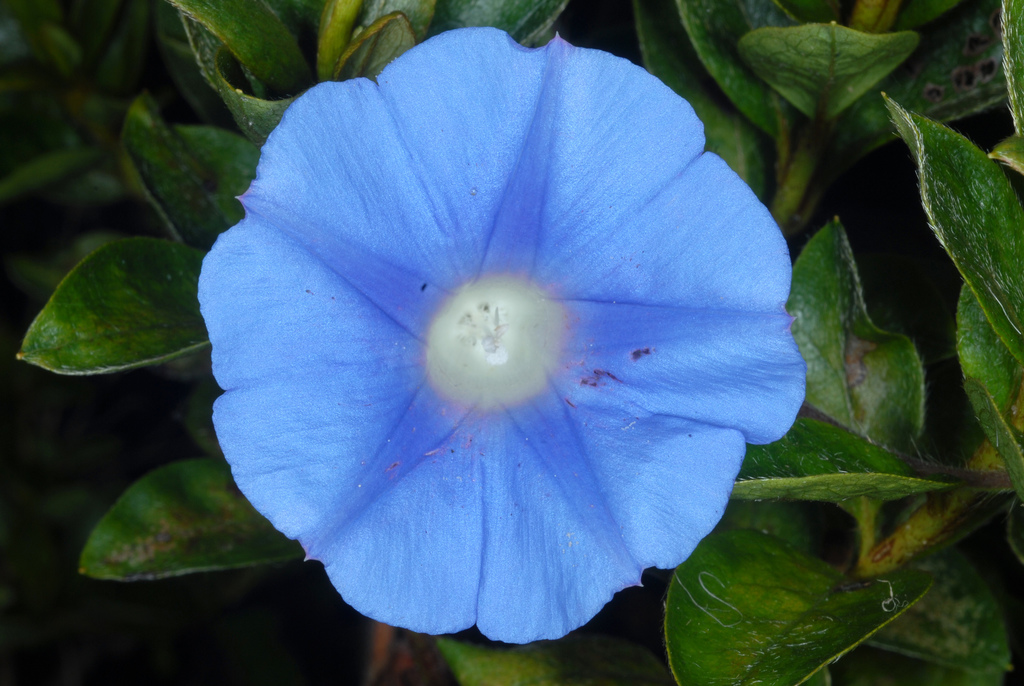 1 / 7
1 / 7—observations
—countries
—peak records
Not EvaluatedConservation statusIUCN Red List categoriesLCNTVUENCREWEXNot Evaluated — not placed on the risk ladderRed List categories, explained →
Diet & prey
- Autotrophic (Photosynthetic)
Predators
- Tortoise beetles
- Caterpillars
- Aphids
ThreatsAgricultural weed control, herbicide applications
HabitatsDisturbed soil, agricultural fields, roadsides, gardens, thickets
Life spanAnnual
Classification
- OrderSolanales
- FamilyConvolvulaceae
- GenusIpomoea
- SpeciesIpomoea hederacea
Range data is not available yet.
Interaction riskHigh
- Low
- Moderate
- High
- Very high
- Why interaction risk is high
- Seeds contain toxic ergoline alkaloids; keep away from pets and children, and do not ingest.
- Why it is dangerous
- Seeds contain ergoline alkaloids that cause severe gastrointestinal distress, nausea, dilated pupils, and disorientation if ingested.
- How to recognize a risky encounter
- Look for three-lobed leaves and hairy sepals that curve back distinctly from the base of the blue funnel flower.
- What to do
- Do not consume seeds or leaves, and clear vines carefully if growing near curious livestock or pets.
Responsible observation
- Check leaf lobes: Look for three distinct deeply cut lobes resembling English ivy, though occasional heart-shaped leaves may appear on the same vine.
- Observe early: Visit flowers early in the morning when the blossoms are fully expanded before afternoon warmth causes them to collapse.
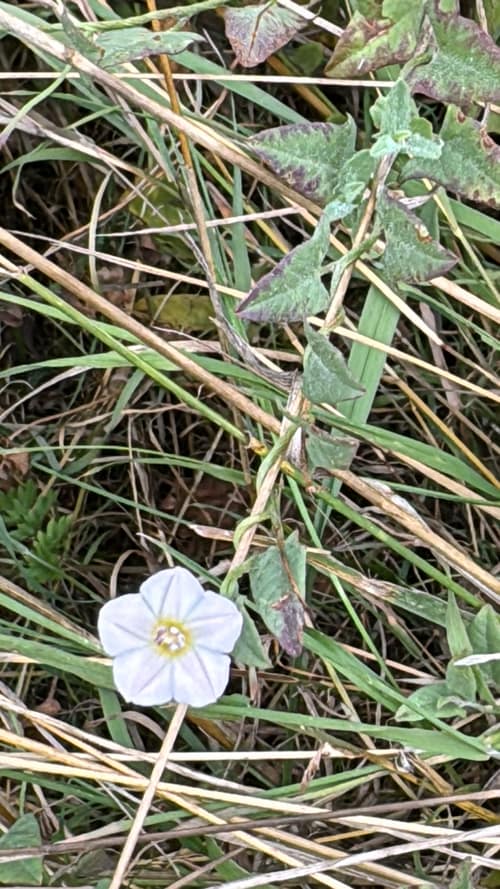
Competitor (c) William Stephens, some rights reserved (CC BY) · cc-by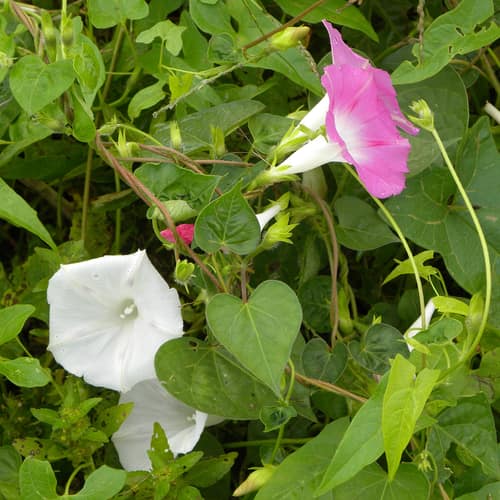
Close Relative (c) M. Whitson, some rights reserved (CC BY), uploaded by M. Whitson · cc-by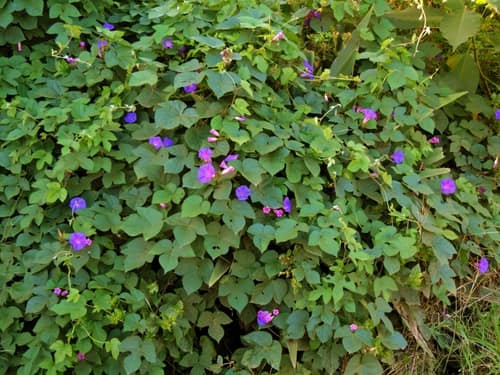
Close Relative (c) i_c_riddell, some rights reserved (CC BY), uploaded by i_c_riddell · cc-by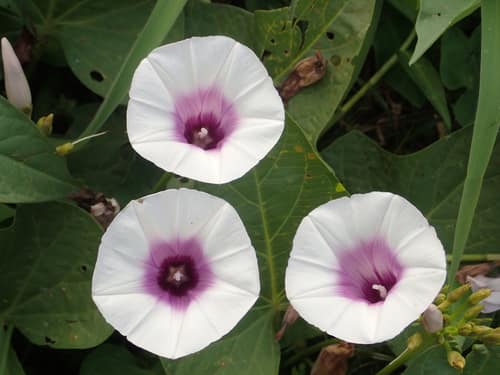
Close Relative no rights reserved, uploaded by 葉子 · cc0
Help improve the field guideSomething wrong?
Checking your Fauna account…Report a name, category, or profile issue for review.