
Flower · GBIF taxon 2928390
Field Bindweed
Convolvulus arvensisAlso known as Perennial Morning Glory, Creeping Jenny, European Bindweed, Cornbind
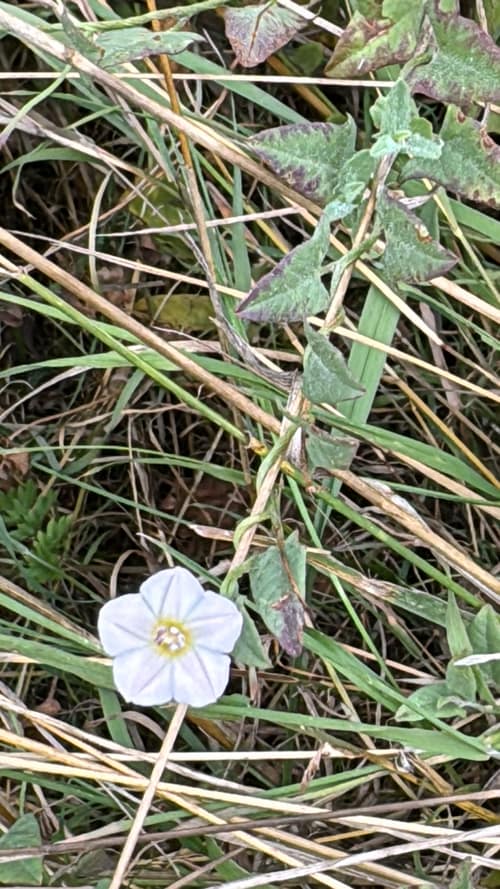
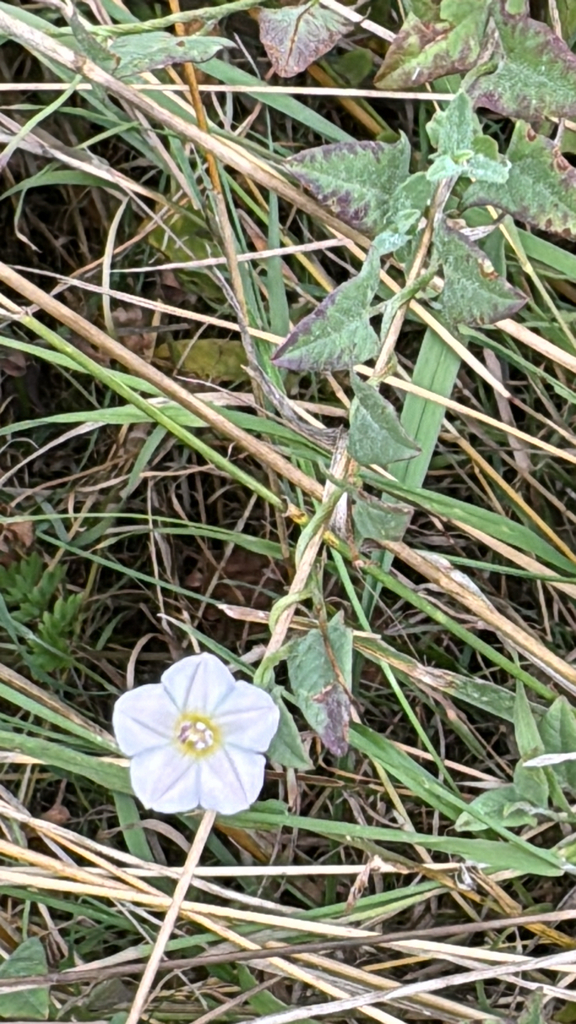
Field bindweed is a resilient perennial vine notorious for its extensive root network, which can plunge deep underground and regenerate aggressively from severed fragments. Its trailing or twining stems readily scramble over neighboring vegetation, choking out crops and native plants in disturbed habitats across the globe. Delicately striped trumpet-shaped flowers open in full morning sun and close by afternoon, offering nectar to bees and hoverflies despite the plant's reputation as a troublesome weed.
ClimbingFloweringInvasive
—observations
—countries
—peak records
Least ConcernConservation statusIUCN Red List categoriesLCNTVUENCREWEXLeast ConcernRed List categories, explained →
Diet & prey
- Photoautotroph (photosynthesis)
Predators
- Bindweed Gall Mite
- Tortoise Beetle
- Bindweed Moth
ThreatsHerbicides, deep tillage, targeted biological control agents
HabitatsAgricultural fields, roadsides, disturbed ground, grasslands, gardens
Life spanPerennial (individual root crowns persist for decades)
Size / weightNot available
Classification
- OrderSolanales
- FamilyConvolvulaceae
- GenusConvolvulus
- SpeciesConvolvulus arvensis
Range data is not available yet.
Interaction riskHigh
- Low
- Moderate
- High
- Very high
- Why interaction risk is high
- Toxic to horses and pets if ingested; avoid consumption and safe to observe from a distance.
- Why it is dangerous
- Contains tropane alkaloids including calystegines, which can induce severe colic and gastrointestinal complications in horses and domestic pets.
- How to recognize a risky encounter
- Look for small white-to-pink funnel blossoms paired with arrowhead-shaped leaves that twine counterclockwise.
- What to do
- Wash hands after weeding to prevent transferring sap, and keep grazing livestock away from dense patches.
Responsible observation
- Control Strategy: Avoid rototilling soil where it grows, as tiny root fragments generate new plants.
- Flower Watching: Check blooms on warm, sunny mornings before petals twist shut for the day.
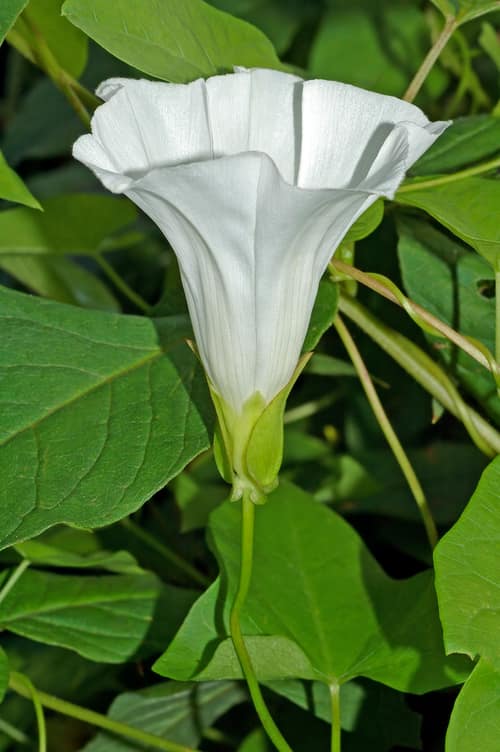
Look-alike (c) Aka, some rights reserved (CC BY-SA) · cc-by-sa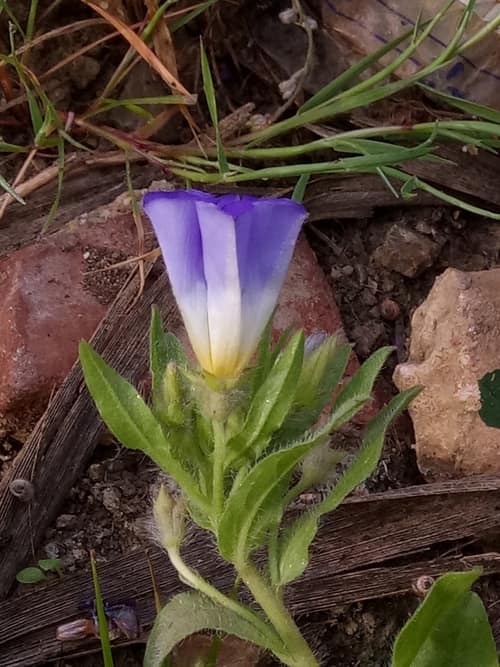
Same Genus (c) Karim Haddad, some rights reserved (CC BY), uploaded by Karim Haddad · cc-by Image unavailable
Herbivore 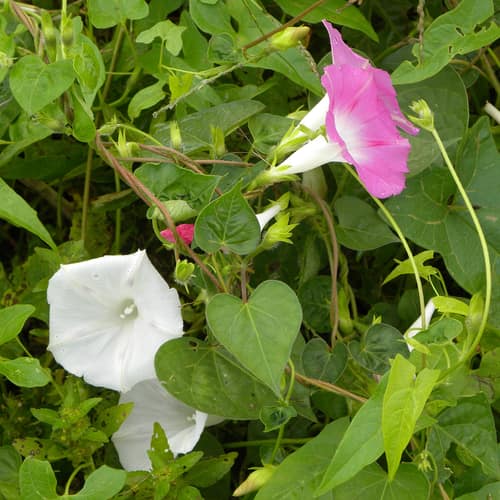
Same Family (c) M. Whitson, some rights reserved (CC BY), uploaded by M. Whitson · cc-by
Help improve the field guideSomething wrong?
Checking your Fauna account…Report a name, category, or profile issue for review.