
Plant · GBIF taxon 2927974
Standing Cypress
Ipomopsis rubraAlso known as Scarlet Gilia, Texas Plume, Flame Flower
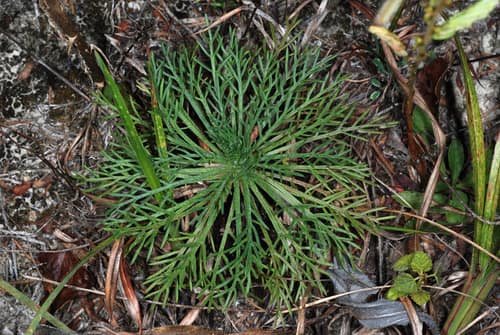
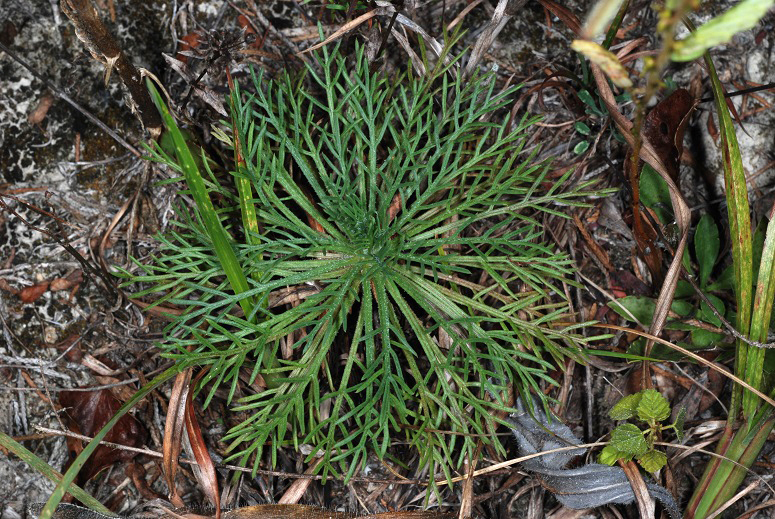
Standing cypress begins as a low rosette of finely divided leaves before raising a tall, narrow spike of scarlet tubular flowers. Hummingbirds pollinate the bright blooms in sandy openings and dry woodland edges across the southeastern United States.
scarlet flower spikehummingbird pollinatedfirst-year rosette
 1 / 7
1 / 7—observations
—countries
—peak records
Not EvaluatedConservation statusIUCN Red List categoriesLCNTVUENCREWEXNot Evaluated — not placed on the risk ladderRed List categories, explained →
Diet & prey
- Photosynthesis supported by sun, seasonal rainfall, and minerals from well-drained sandy or rocky soil
Predators
- browsing deer
- rabbits
- leaf-feeding insects
ThreatsEarly mowing, herbicide use, development, fire suppression, and loss of hummingbird habitat
HabitatsOpen pine woodland, sandy fields, rocky slopes, roadsides, and sunny disturbed ground
Life spanUsually biennial or a short-lived perennial, often flowering after one or more years as a rosette
Size / weightNot available
Classification
- FamilyPolemoniaceae
- SpeciesIpomopsis rubra
Range data is not available yet.
Interaction riskLow
- Low
- Moderate
- High
- Very high
- Why interaction risk is low
- Tall flowering stems are easily broken, so view from firm ground without leaning into the plant.
Responsible observation
- Identify: Look for one upright scarlet spike above delicate threadlike leaves near the base.
- Pollinators: Watch from the side so hummingbirds can reach the tubular flowers without crossing close to you.
Help improve the field guideSomething wrong?
Checking your Fauna account…Report a name, category, or profile issue for review.