
Plant · GBIF taxon 2927744
Fall Phlox
Phlox paniculataAlso known as Garden Phlox, Perennial Phlox, Summer Phlox, Panicled Phlox
Fall phlox brightens eastern woodlands and sunny garden borders with large, fragrant clusters of five-petaled blossoms ranging from deep magenta to soft lavender and white. Deep floral tubes contain abundant nectar tailored specifically for long-tongued pollinators like swallowtail butterflies and clearwing moths. Strong, upright stems allow these herbaceous perennials to stand tall above competing summer vegetation until autumn frosts arrive.
PerennialFloweringPollinator-Friendly
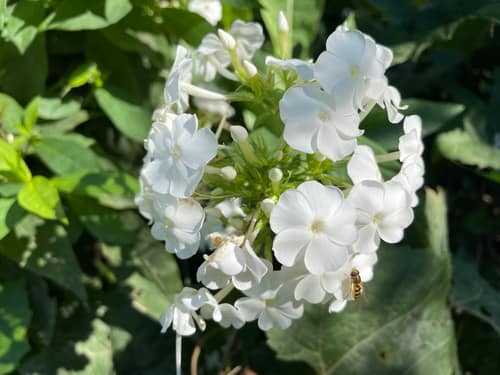
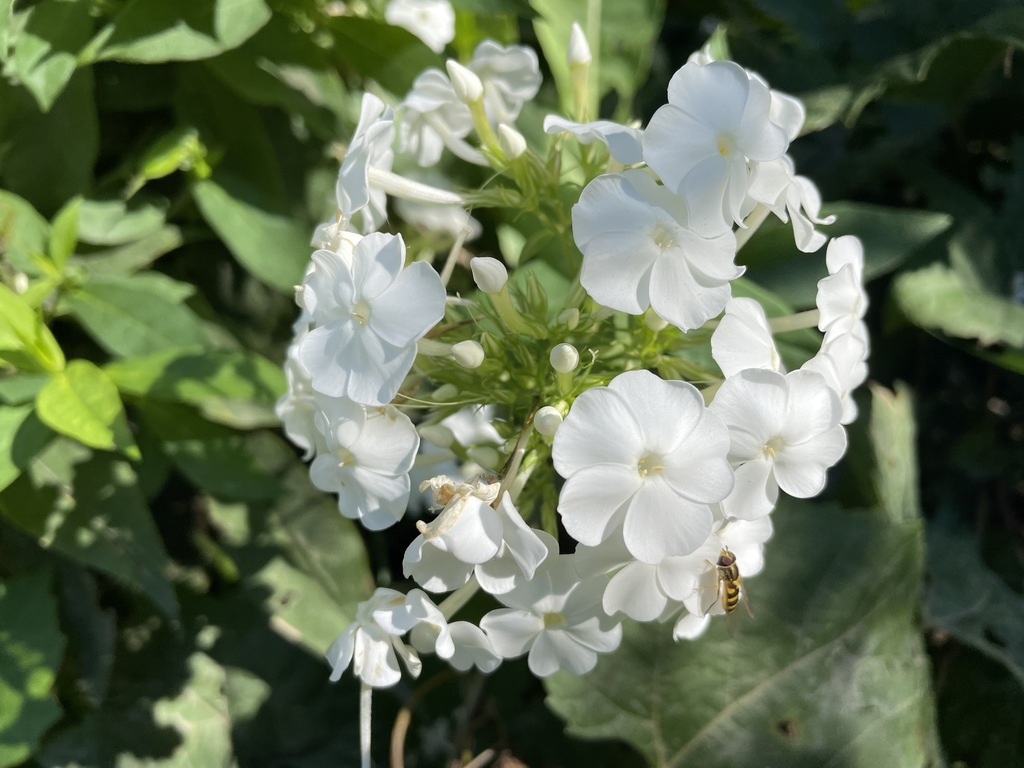
—observations
—countries
—peak records
Least ConcernConservation statusIUCN Red List categoriesLCNTVUENCREWEXLeast ConcernRed List categories, explained →
Diet & prey
- Autotrophic
Predators
- White-tailed Deer
- Eastern Cottontail
- Phlox Bug
ThreatsPowdery mildew, habitat loss, deer browsing
HabitatsRich moist woods, stream banks, open thickets, sunny meadows
Life spanPerennial (5–10 years)
Size / weightNot available
Classification
- OrderEricales
- FamilyPolemoniaceae
- GenusPhlox
- SpeciesPhlox paniculata
Range data is not available yet.
Interaction riskLow
- Low
- Moderate
- High
- Very high
- Why interaction risk is low
- Safe to observe at a normal distance.
Responsible observation
- Best Viewing Time: Look for vibrant pink to purple flower panicles from mid-summer through early autumn.
- Garden Placement: Position in full sun with good air circulation to minimize powdery mildew infection.
- Pollinator Spotting: Watch flower heads quietly on warm sunny afternoons to spot hovering clearwing moths.
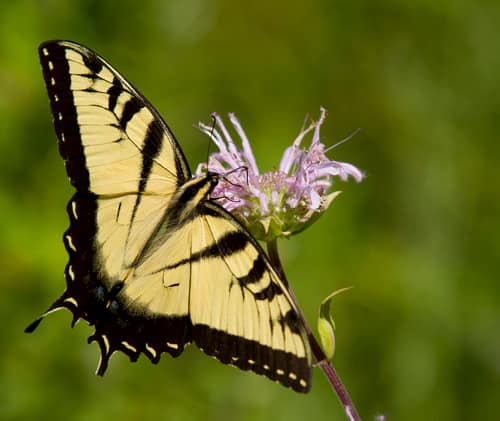
Pollinator "Eastern Tiger Swallowtail" by ShenandoahNPS is marked with Public Domain Mark 1.0. To view the terms, visit https://creativecommons.org/publicdomain/mark/1.0/. · cc0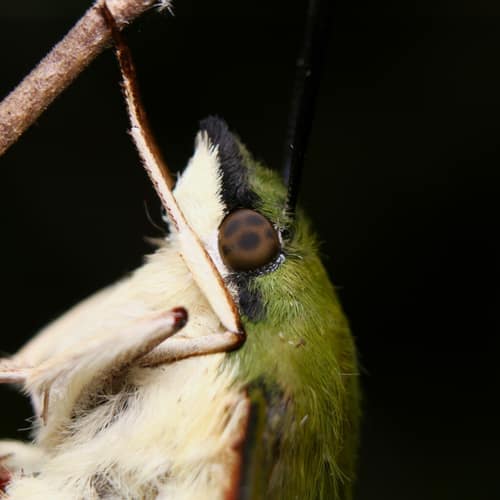
Pollinator (c) Matthew Lindsey, some rights reserved (CC BY) · cc-by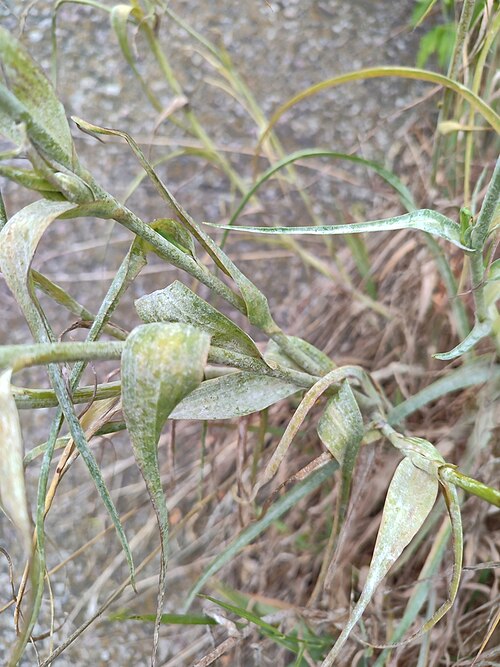
Parasite Андрей Новгородский / CC0 · cc0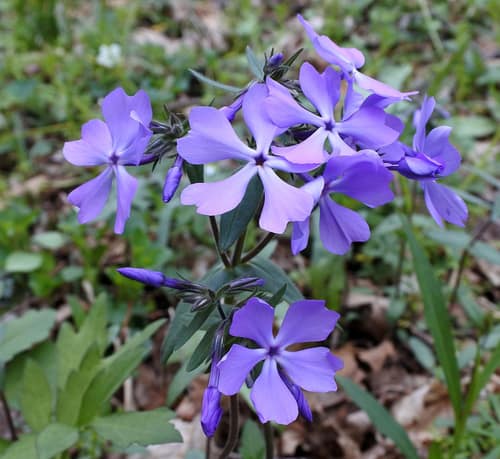
Close Relative Wilson44691 / CC0 · cc0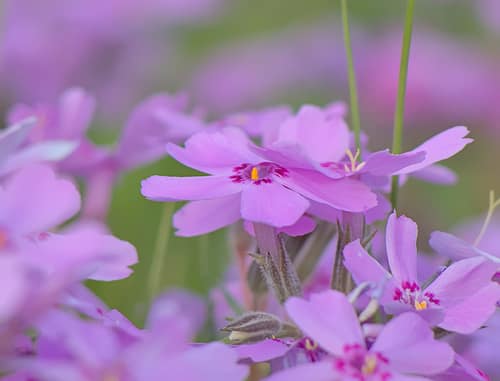
Close Relative (c) Blake Ross, some rights reserved (CC BY), uploaded by Blake Ross · cc-by
Help improve the field guideSomething wrong?
Checking your Fauna account…Report a name, category, or profile issue for review.