
Plant · GBIF taxon 2927727
Moss Phlox
Phlox subulataAlso known as Creeping Phlox, Moss Pink, Mountain Phlox
Moss phlox forms dense, evergreen mats that blanket rocky slopes and sandy soils in brilliant shades of pink, purple, white, and magenta each spring. Its needle-like leaves and low carpeting habit make it a resilient ground cover that thrives in hot, exposed, nutrient-poor sites. Early emerging queens of native bumblebees and solitary bees rely heavily on its nectar-rich blossoms during late winter and early spring.
EvergreenFloweringGround Cover
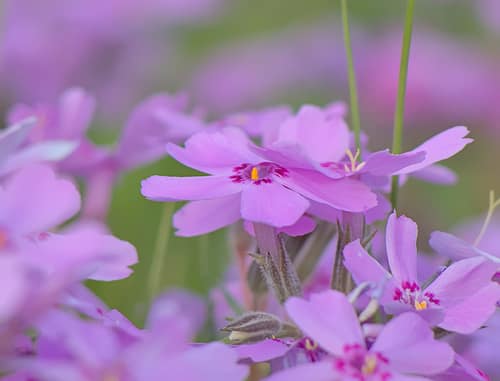
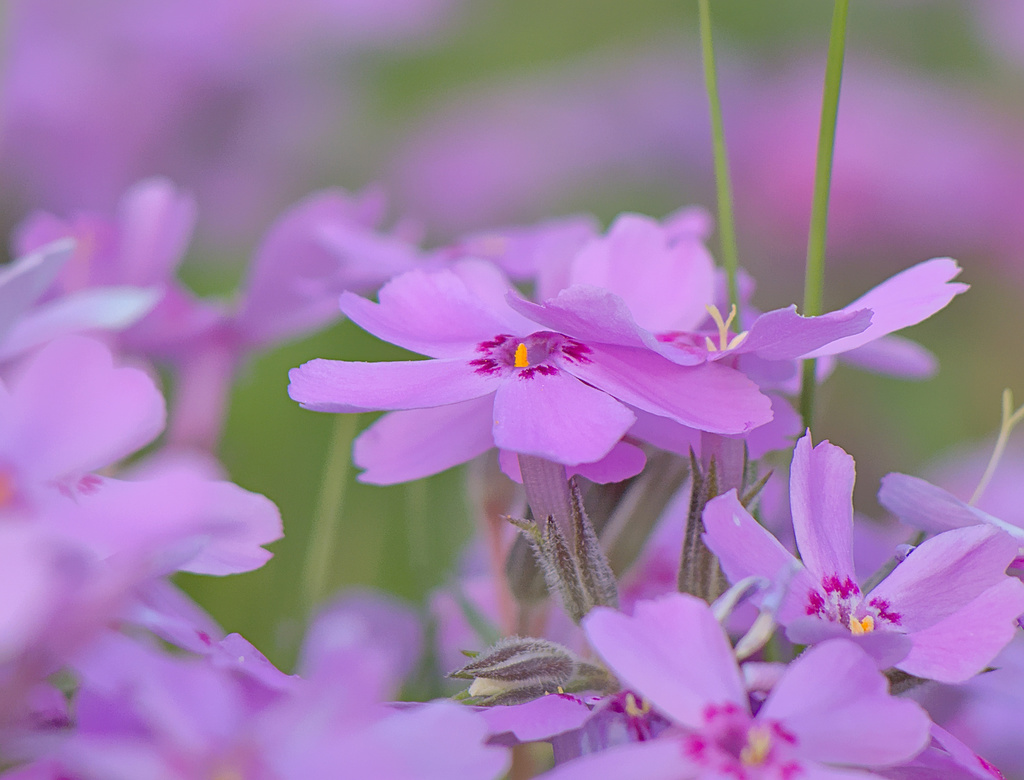 1 / 7
1 / 7—observations
—countries
—peak records
Least ConcernConservation statusIUCN Red List categoriesLCNTVUENCREWEXLeast ConcernRed List categories, explained →
Diet & prey
- Sunlight
- Water
- Soil Nutrients
Predators
- White-tailed Deer
- Eastern Cottontail
- Voles
ThreatsOvergrowth by woody plants, habitat loss, severe drought
HabitatsRocky slopes, sandy barrens, dry glades, rock gardens
Life span10–20+ years
Size / weightNot available
Classification
- OrderEricales
- FamilyPolemoniaceae
- GenusPhlox
- SpeciesPhlox subulata
Range data is not available yet.
Interaction riskLow
- Low
- Moderate
- High
- Very high
- Why interaction risk is low
- Safe to observe and handle at a normal distance.
Responsible observation
- Spring Blooms: Look for bright carpet-like patches on sunny banks from April through May.
- Gardening Use: Plant in well-drained, lean soil with full sunlight to encourage heavy flowering.
- Pollinator Spotting: Watch for early spring bumblebee queens seeking nectar on sunny days.
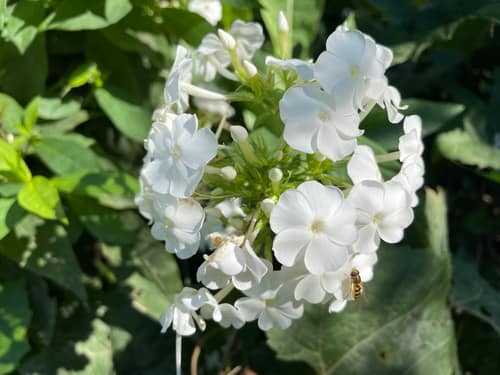
Close Relative (c) Tom Scavo, some rights reserved (CC BY) · cc-by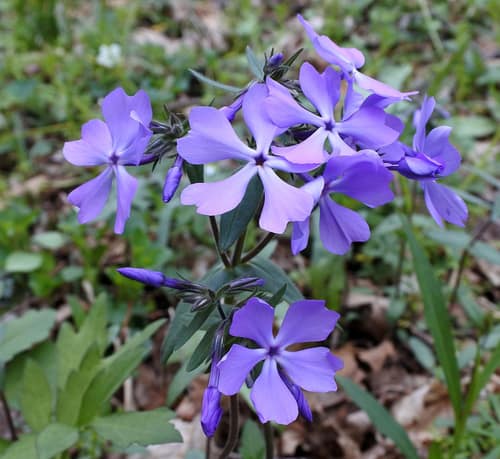
Close Relative Wilson44691 / CC0 · cc0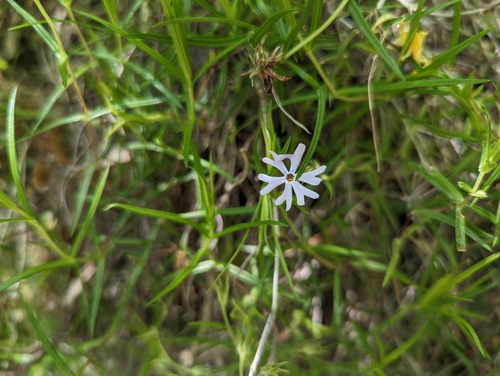
Close Relative (c) Ryan Sorrells, some rights reserved (CC BY) · cc-by
Help improve the field guideSomething wrong?
Checking your Fauna account…Report a name, category, or profile issue for review.