
Plant
Jerusalem Sage
Phlomis fruticosaAlso known as Shrubby Jerusalem Sage
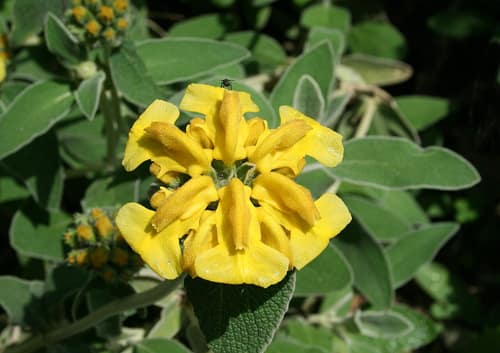
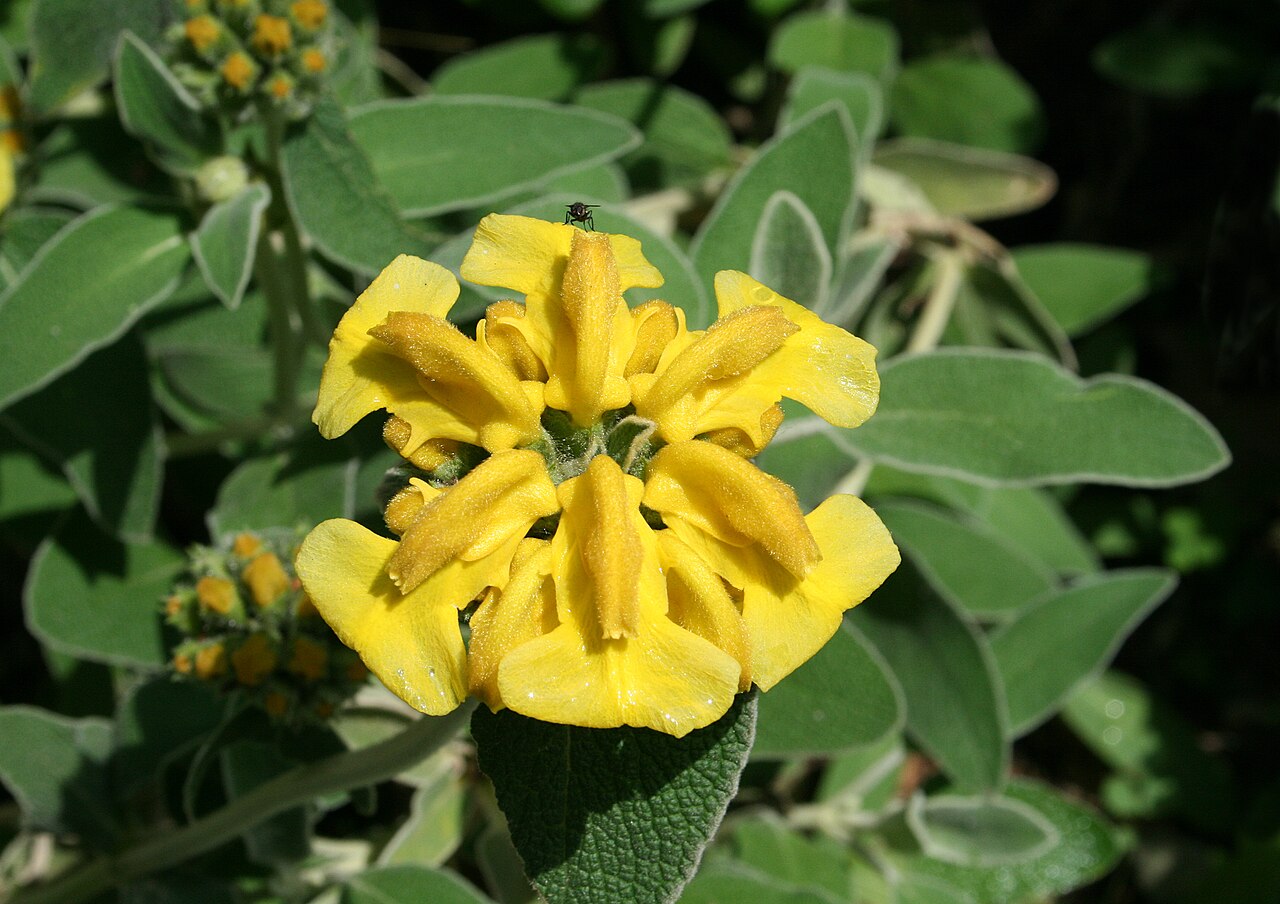
Jerusalem sage is a drought-hardy evergreen shrub renowned for its felted grey-green foliage and dense whorls of hooded yellow blossoms. In its native Mediterranean scrub, it acts as a resilient pioneer plant, stabilizing rocky hillsides against erosion while withstanding harsh summer droughts. The hairy leaves reflect intense sunlight and conserve precious moisture, providing critical nectar resources for native long-tongued bees and solitary insects throughout the arid blooming season.
MediterraneanFloweringDrought-Tolerant
—observations
—countries
—peak records
Least ConcernConservation statusIUCN Red List categoriesLCNTVUENCREWEXLeast ConcernRed List categories, explained →
Diet & preySunlight, Water, Soil nutrients
Predators
- Domestic goat
- Domestic sheep
- Green peach aphid
ThreatsOvergrazing by livestock, agricultural expansion, and intense wildfire regimes
HabitatsMediterranean garrigue, maquis, dry rocky limestone slopes, and open scrublands
Life span15–25 years
Classification
- OrderLamiales
- FamilyLamiaceae
- GenusPhlomis
- SpeciesPhlomis fruticosa
Range data is not available yet.
Interaction riskLow
- Low
- Moderate
- High
- Very high
- Why interaction risk is low
- Safe to observe at a normal distance.
Responsible observation
- Leaf Inspection: Gently touch the foliage to notice the soft, woolly felt that protects it from dehydration.
- Pollinator Watching: Observe the tight flower whorls during midday sun to spot specialized wild bees probing the petals.
- Garden Cultivation: Plant in well-drained, lean soil under full sunlight to prevent root rot in wet winter conditions.
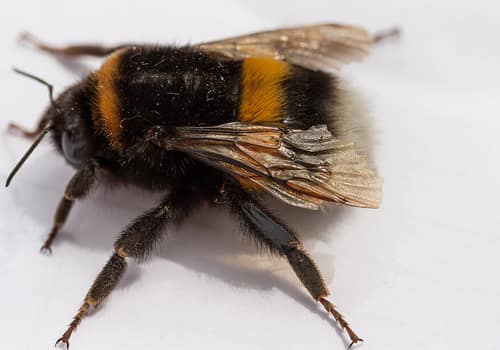
Pollinator Marco Almbauer / CC0 · cc0 Image unavailable
Close Relative Close Relative 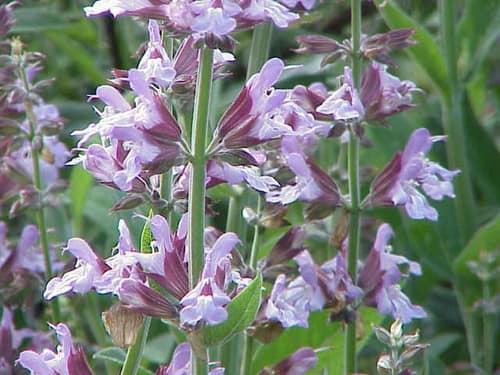
Family Member Kurt Stüber [1] / CC BY-SA 3.0 · cc-by-sa
Help improve the field guideSomething wrong?
Checking your Fauna account…Report a name, category, or profile issue for review.