
Flower
Common Hedge-nettle
Betonica officinalisAlso known as Wood Betony, Purple Betony, Bishopwort, Bishop's Wort
Betony anchors itself in ancient meadows and open woodlands with rosettes of crinkled, scalloped leaves that hug the soil. Dense spikes of two-lipped, magenta blossoms erupt on stiff square stems throughout midsummer, providing a reliable nectar buffet for long-tongued bumblebees and butterflies. Revered across classical Europe as a medicinal panacea, it persists today as an indicator of undisturbed, species-rich grasslands.
PerennialFloweringPollinator Host
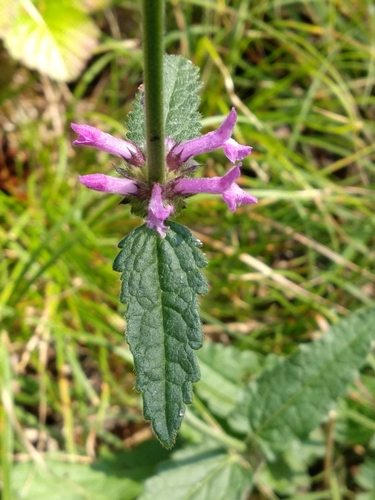
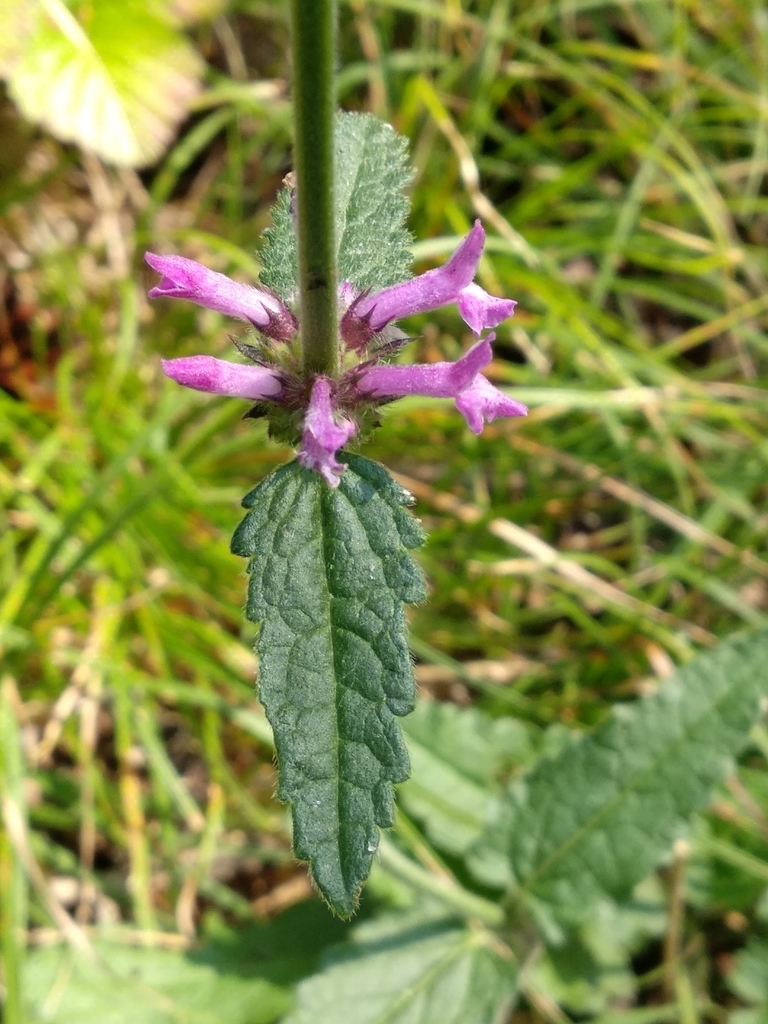
—observations
—countries
—peak records
Least ConcernConservation statusIUCN Red List categoriesLCNTVUENCREWEXLeast ConcernRed List categories, explained →
Diet & preySunlight, Water, Soil nutrients
Predators
- Roe deer
- Slugs and snails
- Rabbit
ThreatsAgricultural intensification, loss of traditional hay meadows, and scrub encroachment
HabitatsUnimproved grasslands, open deciduous woodlands, heath margins, and hedgerows
Life spanPerennial (typically 5–15 years)
Classification
- OrderLamiales
- FamilyLamiaceae
- GenusBetonica
- SpeciesBetonica officinalis
Range data is not available yet.
Interaction riskLow
- Low
- Moderate
- High
- Very high
- Why interaction risk is low
- Safe to observe at a normal distance.
Responsible observation
- Pollinator Watching: Check the purple flower spikes on warm sunny days to spot visiting solitary bees.
- Foliage Inspection: Note the crinkled texture of basal leaves to differentiate it from true stinging nettles.
- Meadow Conservation: Avoid trampling clumps in historic grasslands where it marks undisturbed soil.
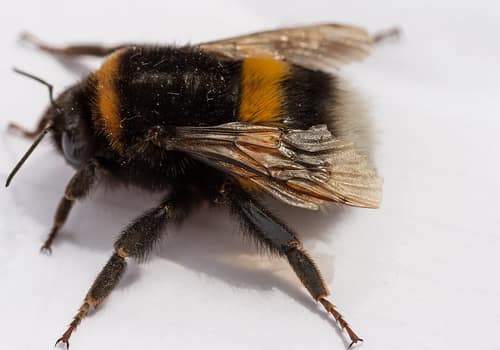
Pollinator Marco Almbauer / CC0 · cc0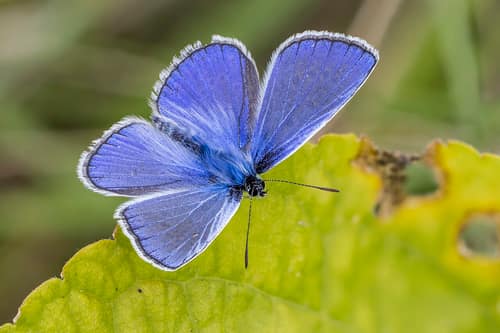
Flower Visitor Charles J. Sharp / CC BY-SA 4.0 · cc-by-sa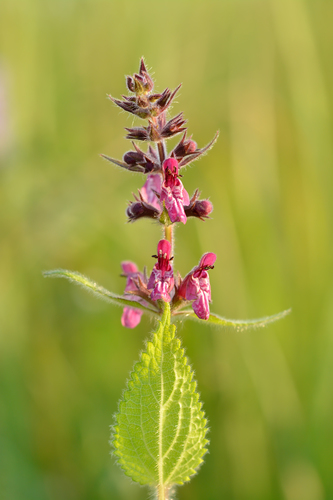
Close Relative (c) Ivar Leidus, some rights reserved (CC BY-SA) · cc-by-sa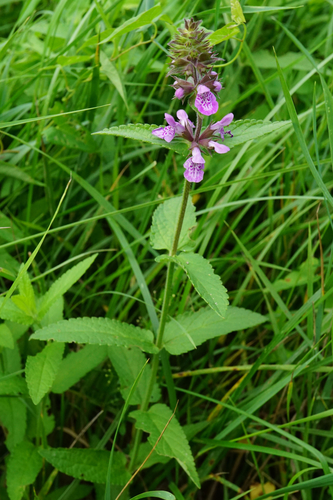
Close Relative (c) Patrick Hacker, some rights reserved (CC BY), uploaded by Patrick Hacker · cc-by
Help improve the field guideSomething wrong?
Checking your Fauna account…Report a name, category, or profile issue for review.