
Plant · GBIF taxon 2927230
Woolly Hedgenettle
Stachys byzantinaAlso known as Lamb's-Ear, Woolly Betony, Lamb's Tongue, Woolly Lamb's-Ear
Dense coats of silky white hairs cover the thick, silvery leaves of woolly hedgenettle, creating a velvet texture that traps humidity and reflects harsh sunlight. Spikes of tiny pink to purple blossoms emerge on woolly stems during midsummer, attracting bees, bumblebees, and other pollinators. Native to rocky hillsides of the Middle East, this resilient perennial spreads via creeping stems to form soft, ground-covering mats.
Drought TolerantFuzzy LeavesPerennial
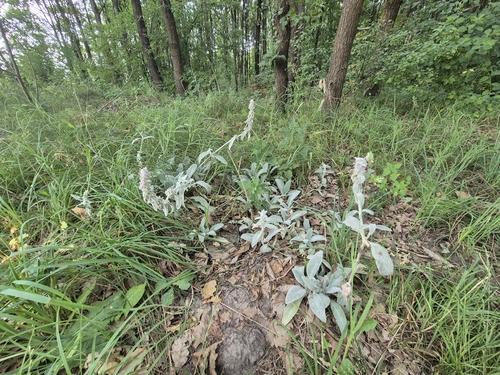
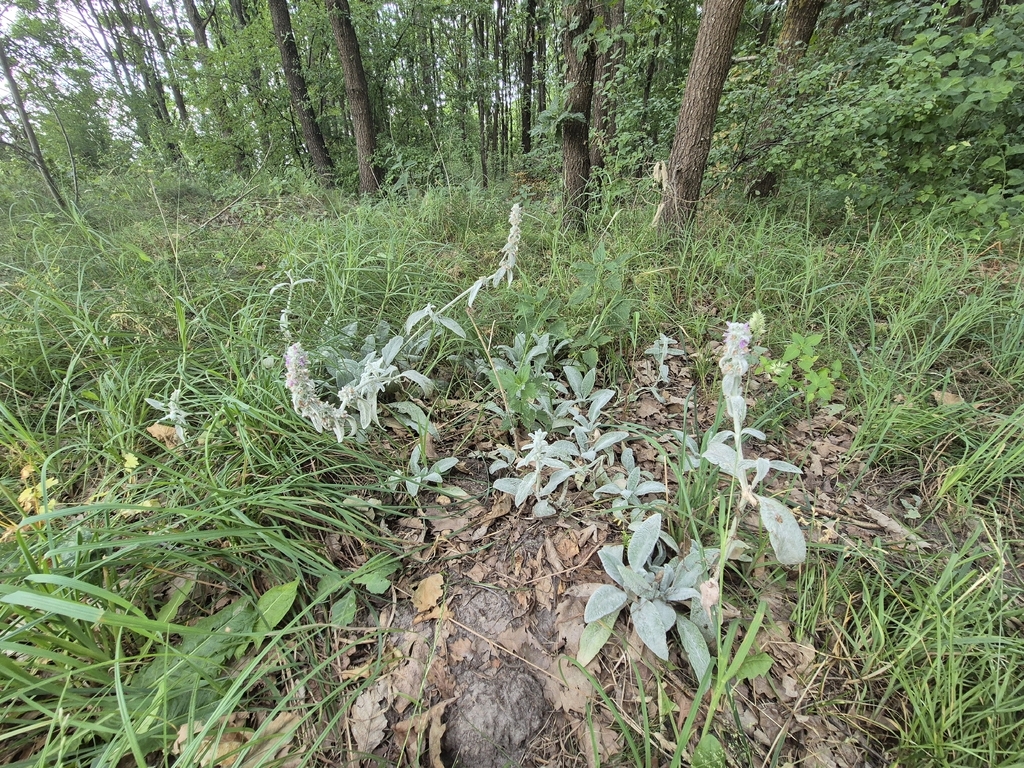
—observations
—countries
—peak records
Not EvaluatedConservation statusIUCN Red List categoriesLCNTVUENCREWEXNot Evaluated — not placed on the risk ladderRed List categories, explained →
Diet & prey
- Photosynthesis
Predators
- Slugs
- Snails
- Flea beetles
ThreatsOverwatering, poorly drained soil, and crown rot in excessively humid climates
HabitatsRocky slopes, dry scrublands, cultivated gardens, and sunny borders
Life spanPerennial (5–10 years through rhizomatous spread)
Size / weightNot available
Classification
- OrderLamiales
- FamilyLamiaceae
- GenusStachys
- SpeciesStachys byzantina
Range data is not available yet.
Interaction riskLow
- Low
- Moderate
- High
- Very high
- Why interaction risk is low
- Safe to observe at a normal distance.
Responsible observation
- Touch Safely: Gently feel the soft foliage to experience the plush, woolly texture without harming the plant.
- Pollinator Spotting: Watch the summer flower spikes to observe foraging bumblebees and wool-carder bees gathering nectar.
- Garden Placement: Observe how sunlight reflects off the silvery leaves, highlighting its moisture-conserving adaptations.
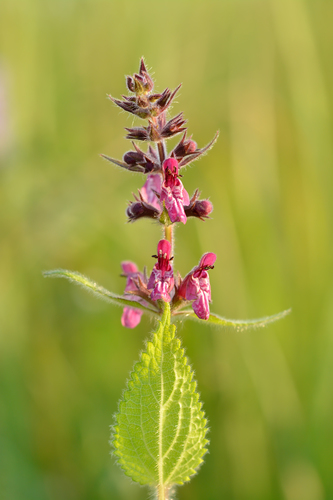
Close Relative (c) Ivar Leidus, some rights reserved (CC BY-SA) · cc-by-sa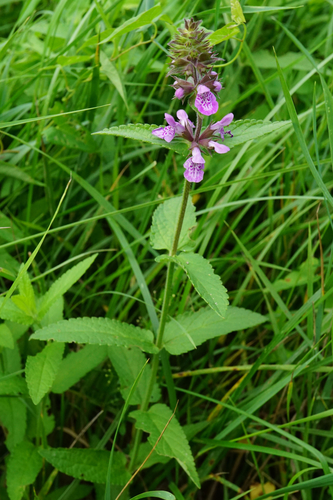
Close Relative (c) Patrick Hacker, some rights reserved (CC BY), uploaded by Patrick Hacker · cc-by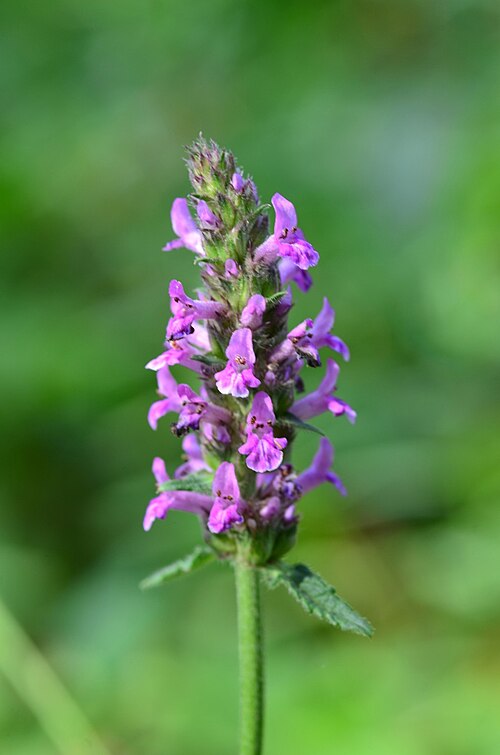
Close Relative Radio Tonreg from Vienna, Austria / CC BY 2.0 · cc-by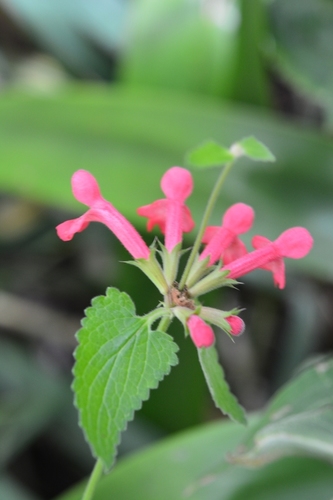
Close Relative (c) Neptalí Ramírez Marcial, some rights reserved (CC BY), uploaded by Neptalí Ramírez Marcial · cc-by
Help improve the field guideSomething wrong?
Checking your Fauna account…Report a name, category, or profile issue for review.