
Plant
Watermint
Mentha aquaticaAlso known as Water Mint, Marsh Mint
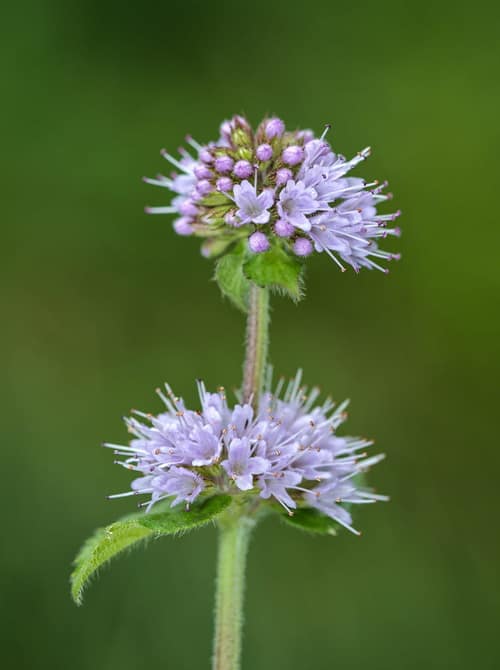
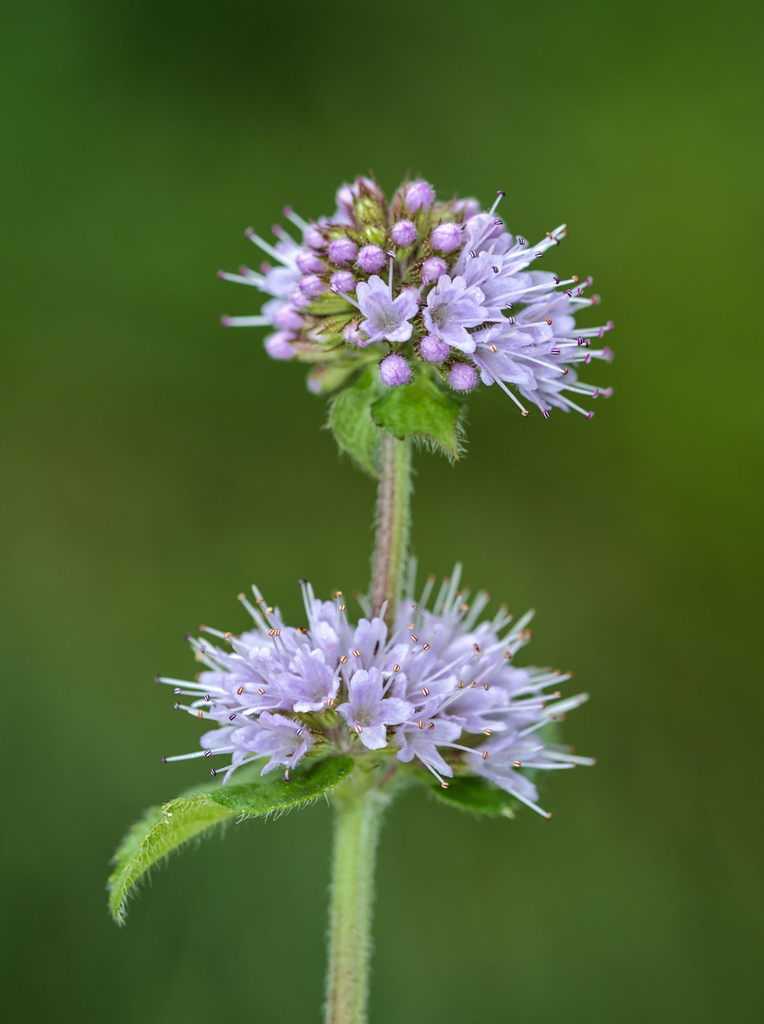
Watermint thrives along shallow streams, pond margins, and wet marshes, producing square reddish stems topped by dense, globe-like clusters of pale purple blossoms. Spreading vigorously through submerged runners and creeping stolons, dense colonies help stabilize saturated shorelines and filter runoff. The crushed foliage releases a pungent, sweet menthol perfume that discourages most grazing mammals while the nectar feeds dozens of wetland pollinators.
WetlandAromaticPerennial
—observations
—countries
—peak records
Least ConcernConservation statusIUCN Red List categoriesLCNTVUENCREWEXLeast ConcernRed List categories, explained →
Diet & preyAutotrophic
Predators
- Mint Leaf Beetle
- Green Mint Aphid
- Mallard
ThreatsWetland drainage, canalization of waterways, and agricultural pollution
HabitatsMarshes, fens, stream banks, lake shores, and wet ditches
Life spanPerennial
Classification
- OrderLamiales
- FamilyLamiaceae
- GenusMentha
- SpeciesMentha aquatica
Range data is not available yet.
Interaction riskLow
- Low
- Moderate
- High
- Very high
- Why interaction risk is low
- Safe to observe at a normal distance.
Responsible observation
- Identification Clue: Look for terminal, ball-like clusters of lilac flowers rather than interrupted whorls along the stem.
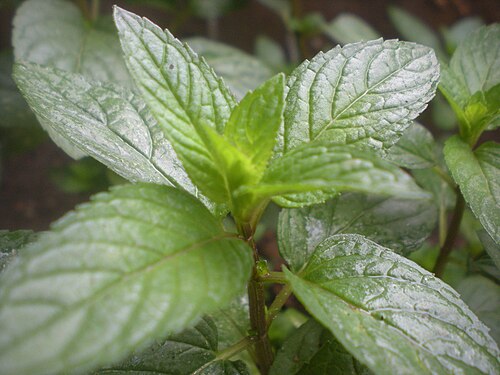
- Aroma Check: Gently brush the leaves with your fingertips to verify the strong peppermint scent.
- Pollinator Spotting: Inspect flowering heads during warm summer afternoons to observe visiting hoverflies and solitary bees.
Natural Hybrid Wikimedia Commons / CC BY 3.0 · cc-by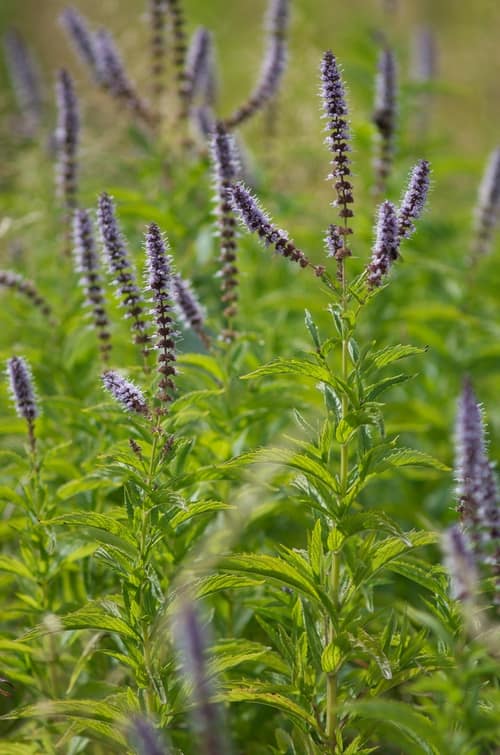
Hybrid Partner (c) Jon Sullivan, some rights reserved (CC BY) · cc-by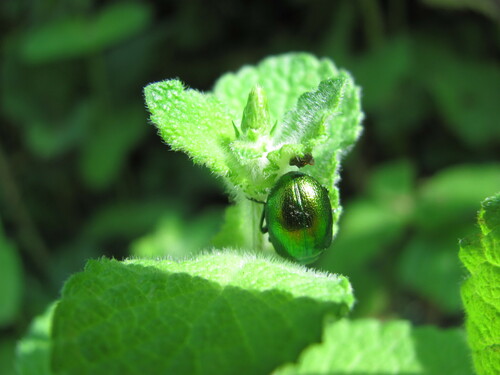
Herbivore (c) zebedeugalinha, some rights reserved (CC BY) · cc-by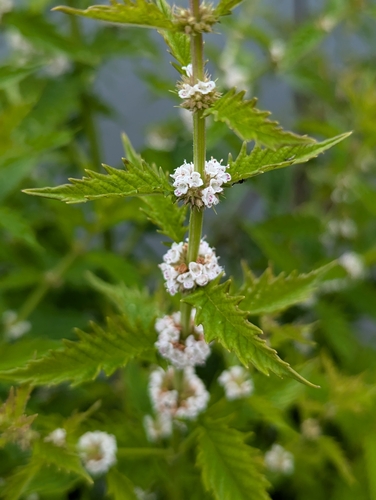
Frequent Companion no rights reserved, uploaded by Piermario Maculan · cc0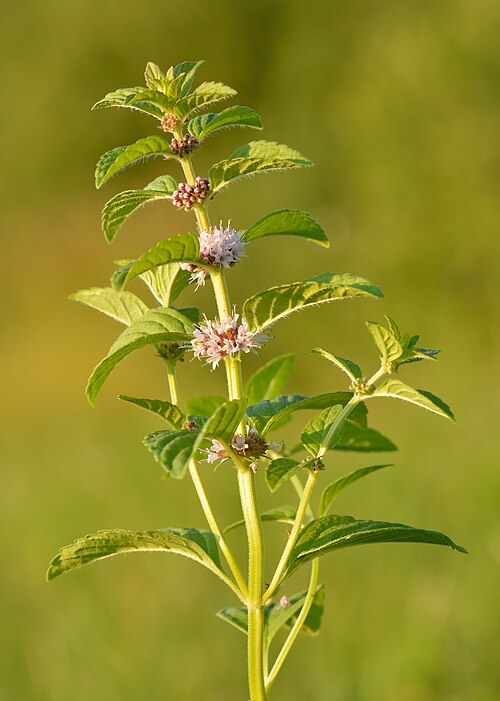
Close Relative Ivar Leidus / CC BY-SA 3.0 · cc-by-sa
Help improve the field guideSomething wrong?
Checking your Fauna account…Report a name, category, or profile issue for review.