
Plant
Apple Mint
Mentha suaveolensAlso known as Woolly Mint, Round-Leafed Mint, Pineapple Mint
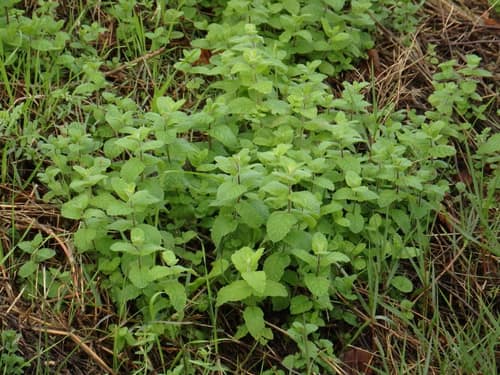
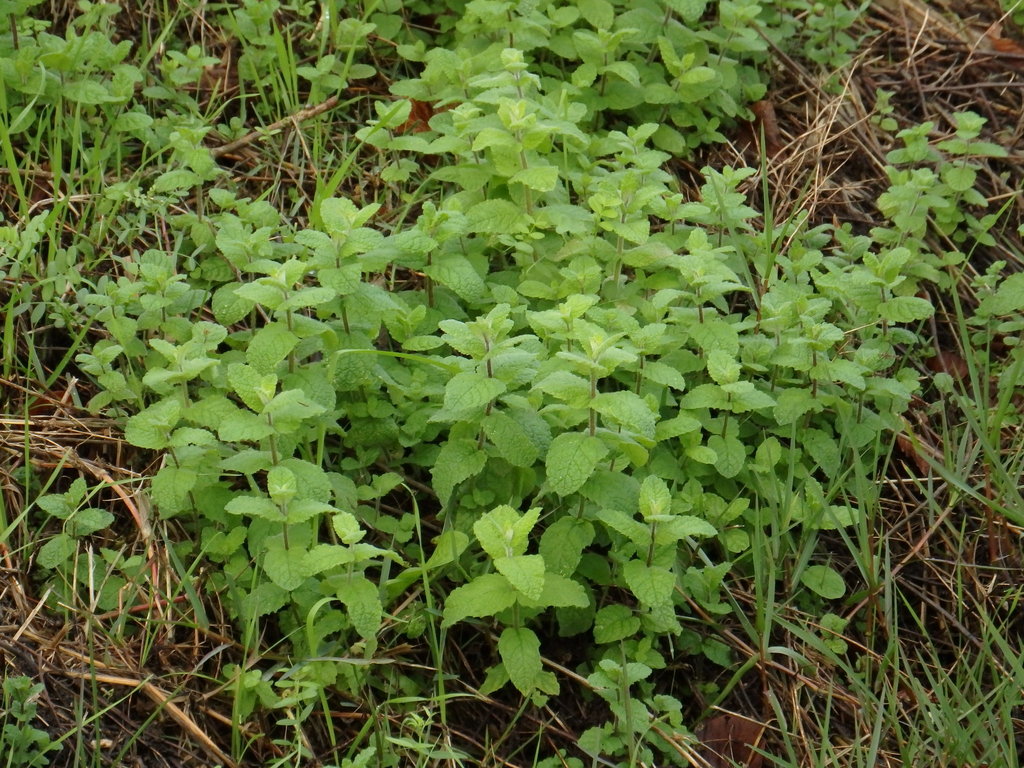
Apple mint is an aromatic perennial herb notable for its downy, woolly foliage, square stems, and dense spikes of pale pink to white blossoms that attract swarms of pollinators. Spreading aggressively through an expansive network of creeping rhizomes, it readily forms vigorous ground cover along damp meadows, ditches, and stream banks across southern Europe and naturalized areas abroad. When lightly bruised, its textured, rounded leaves release a crisp, sweet fragrance reminiscent of orchard fruit.
AromaticFloweringHerbaceous
—observations
—countries
—peak records
Least ConcernConservation statusIUCN Red List categoriesLCNTVUENCREWEXLeast ConcernRed List categories, explained →
Diet & preyAutotrophic (photosynthesis)
Predators
- Mint Beetle
- Spider Mites
- Aphids
ThreatsWetland drainage, prolonged drought, and herbicide applications
HabitatsDamp meadows, riverbanks, roadsides, and disturbed ground
Life spanPerennial (clonally persisting for decades)
Classification
- OrderLamiales
- FamilyLamiaceae
- GenusMentha
- SpeciesMentha suaveolens
Range data is not available yet.
Interaction riskHigh
- Low
- Moderate
- High
- Very high
- Why interaction risk is high
- Toxic to dogs and cats if ingested in significant amounts; safe for humans to observe and touch.
- Why it is dangerous
- Contains aromatic volatile oils that irritate the gastrointestinal tract of domestic pets, causing vomiting and diarrhea if consumed in quantity.
- How to recognize a risky encounter
- Recognizable by square stems, velvety round-to-oval leaves covered in fine hairs, and a sweet apple scent when touched.
- What to do
- Prevent companion animals from grazing on patches, and wash hands after crushing large amounts of foliage.
Responsible observation
- Garden Containment: Plant in sunken pots or bounded beds to stop spreading rhizomes from overtaking garden spaces.
- Fragrance Sampling: Gently rub the woolly leaves between your fingers to release the signature fruit scent without breaking stems.
- Pollinator Watching: Observe the white flower spikes on warm summer mornings to watch visiting solitary bees and hoverflies.
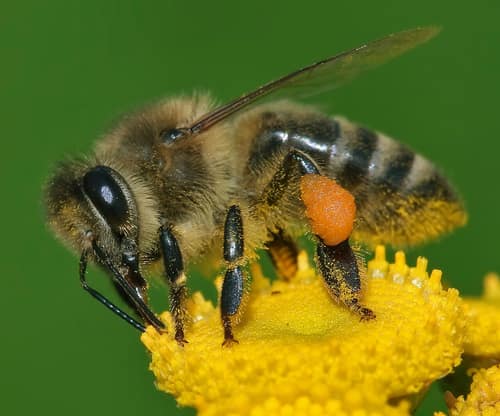
Pollinator Andreas Trepte / CC BY-SA 2.5 · cc-by-sa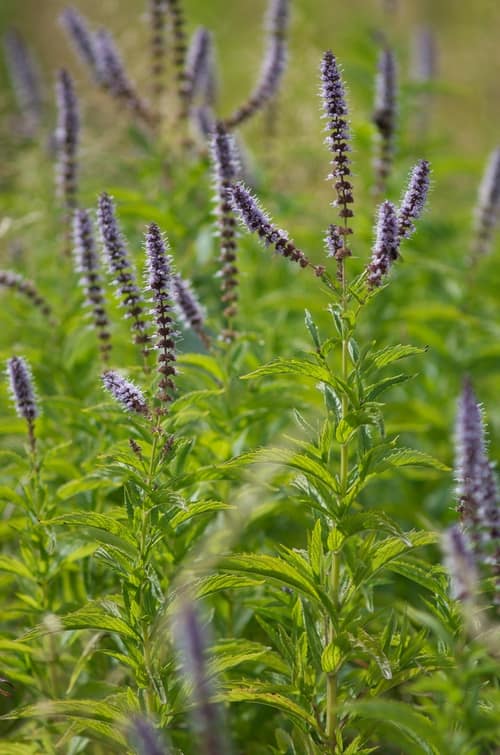
Close Relative (c) Jon Sullivan, some rights reserved (CC BY) · cc-by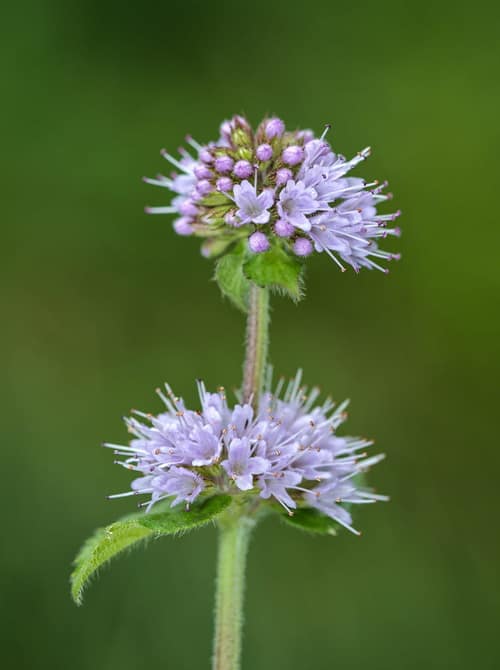
Close Relative (c) Gilles San Martin, some rights reserved (CC BY-SA), uploaded by Gilles San Martin · cc-by-sa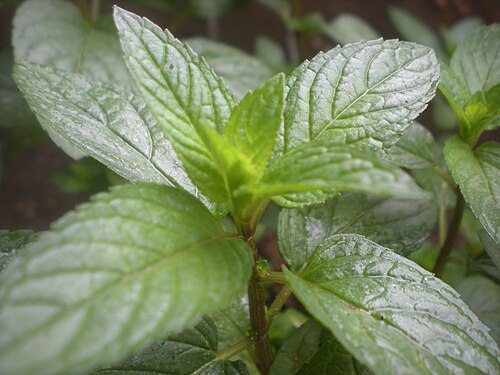
Close Relative Wikimedia Commons / CC BY 3.0 · cc-by
Help improve the field guideSomething wrong?
Checking your Fauna account…Report a name, category, or profile issue for review.