Also known as European Pennyroyal, Pennyrile, Mosquito Plant, Pudding Grass
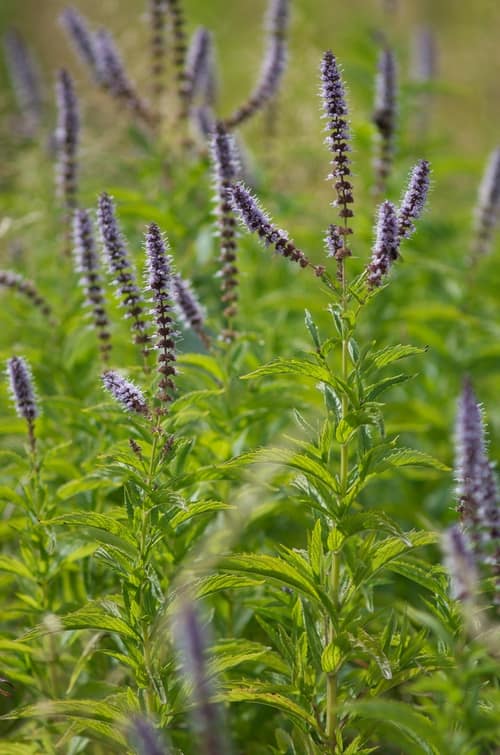
Pennyroyal is a creeping, aromatic perennial herb that forms dense ground-hugging mats before sending up erect flowering spikes in late summer. Crushed leaves release an intensely pungent mint scent rich in volatile oils, which historically made it a popular household insect repellent and strewing herb. While long employed in traditional folklore, the plant contains dangerous concentrations of pulegone, making internal consumption unsafe for humans and domestic animals.
ThreatsDrainage of seasonal wetlands, habitat alteration, and agricultural intensification
HabitatsDamp meadows, stream banks, seasonally flooded pastures, and vernal pools
Life spanPerennial (typically 3–5 years)
Classification
OrderLamiales
FamilyLamiaceae
GenusMentha
SpeciesMentha pulegium
Range & activity
Range data is not available yet.
Safe observation
Interaction riskHigh
Low
Moderate
High
Very high
Why interaction risk is high
Contains toxic pulegone; do not ingest as it causes severe liver damage and poisoning in pets.
Why it is dangerous
The essential oil contains pulegone, a potent hepatotoxin and abortifacient that causes severe liver necrosis, acute renal failure, and potentially fatal systemic toxicity.
How to recognize a risky encounter
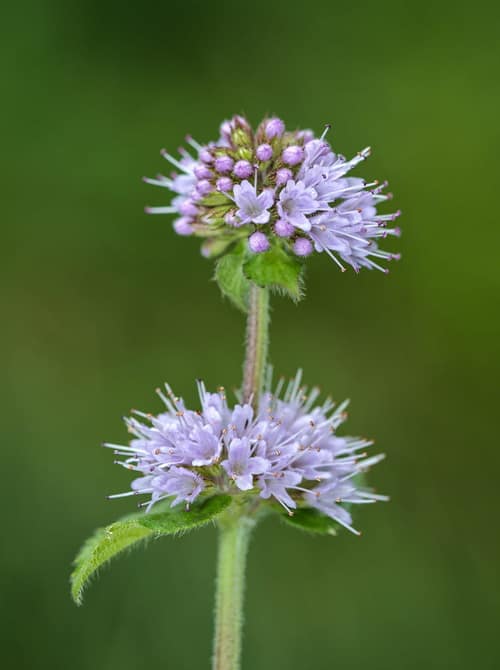
Look for low, sprawling mint-scented stems with small oval leaves and tight spherical whorls of tiny pale lilac to pink flowers clustered at leaf axils.
What to do
Safe to view and touch, but wash hands after handling foliage and never harvest, chew, brew, or ingest any part.
Responsible observation
Aroma Check: Gently rub a leaf between two fingers to release its sharp, distinctive spearmint-like scent without tearing the stem.
Habitat Clues: Look for spreading colonies along muddy margins of drying winter pools and moist field depressions in late summer.

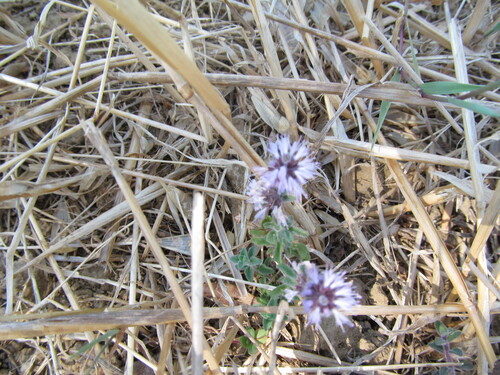
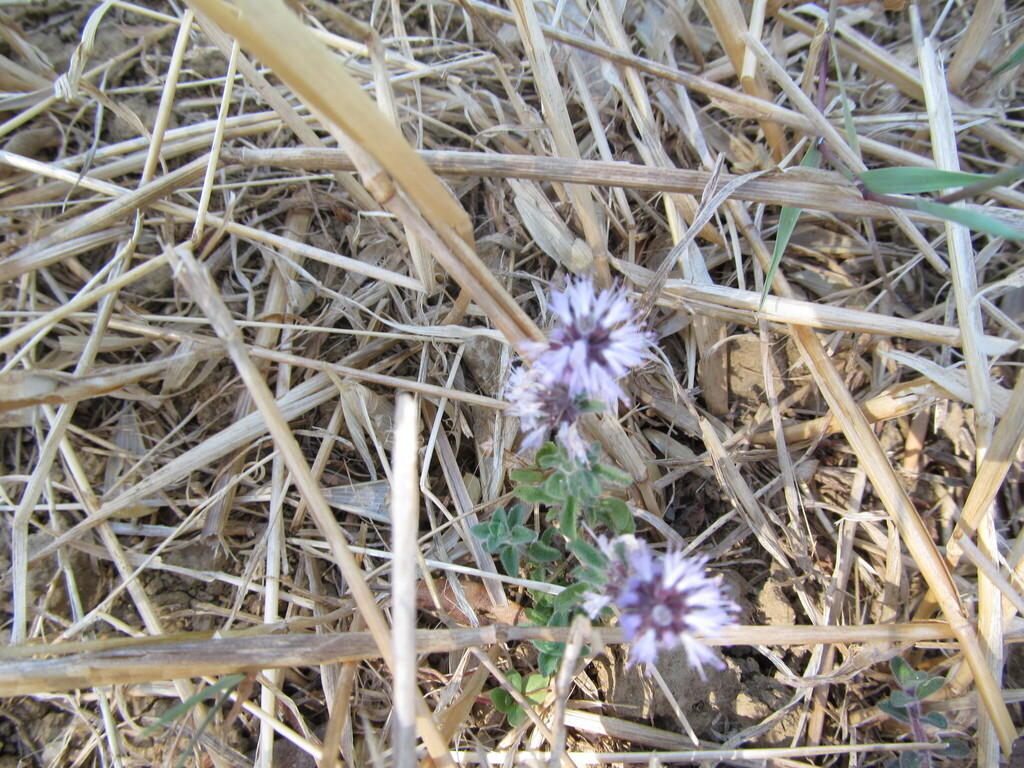
 Image unavailable