
Plant · GBIF taxon 2927175
Spearmint
Mentha spicataAlso known as Garden Mint, Common Mint, Lamb Mint, Mackerel Mint
Spearmint spreads vigorously through underground stolons, forming dense green carpets along stream banks, wet meadows, and moist gardens. Its characteristic square stems bear aromatic, lance-shaped leaves with serrated margins, topped by slender spikes of tiny pink or white blossoms in late summer. The nectar-rich flower spikes provide essential forage for a wide variety of native bees, hoverflies, and butterflies.
AromaticPerennialPollinator-Friendly
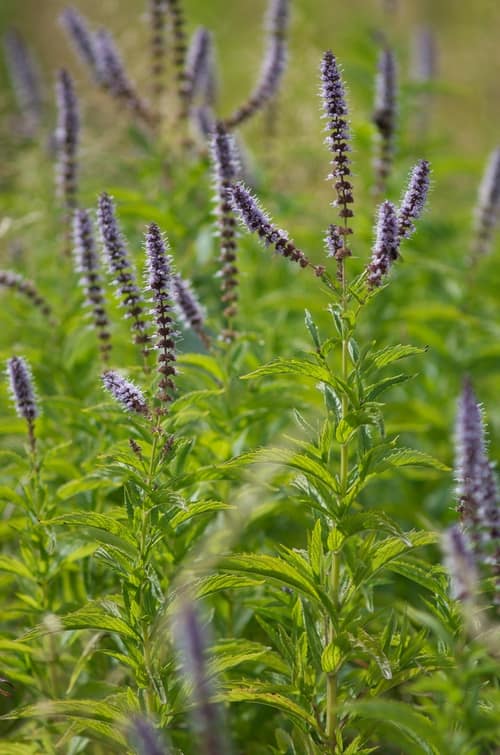
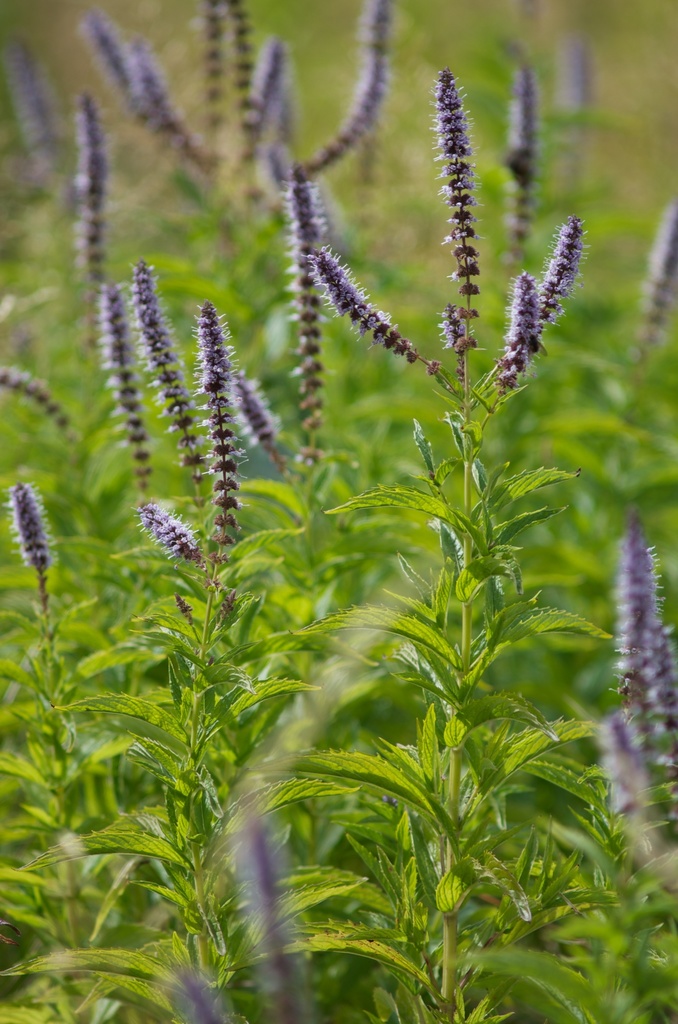
—observations
—countries
—peak records
Least ConcernConservation statusIUCN Red List categoriesLCNTVUENCREWEXLeast ConcernRed List categories, explained →
Diet & prey
- Autotrophic (photosynthesis)
Predators
- Mint leaf beetle
- Spider mites
- Aphids
ThreatsHerbicide runoff, extreme drought, aggressive weed control clearing
HabitatsWet meadows, stream banks, roadside ditches, damp woodland edges, cultivated gardens
Life spanPerennial (rhizome colonies persist indefinitely)
Size / weightNot available
Classification
- OrderLamiales
- FamilyLamiaceae
- GenusMentha
- SpeciesMentha spicata
Range data is not available yet.
Interaction riskLow
- Low
- Moderate
- High
- Very high
- Why interaction risk is low
- Safe to observe at a normal distance.
Responsible observation
- Identification: Look for signature square stems and hairless or lightly hairy lanceolate leaves with clear veins.
- Garden Management: Grow in sunken containers or dedicated beds to prevent underground runners from taking over.
- Pollinator Watching: Observe flowering stems on warm afternoon hours to spot diverse visiting insects.
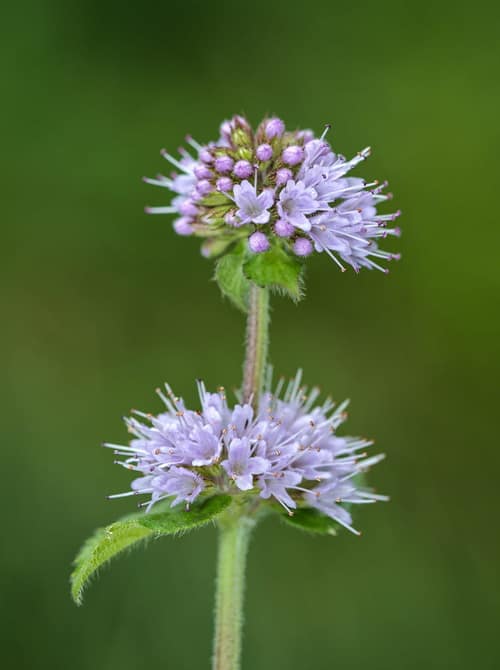
Parent Species (c) Gilles San Martin, some rights reserved (CC BY-SA), uploaded by Gilles San Martin · cc-by-sa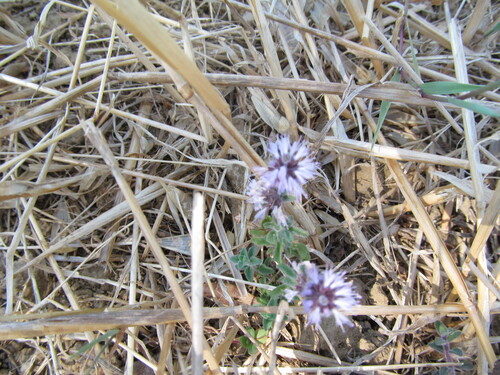
Toxic Look-Alike (c) zebedeugalinha, some rights reserved (CC BY) · cc-by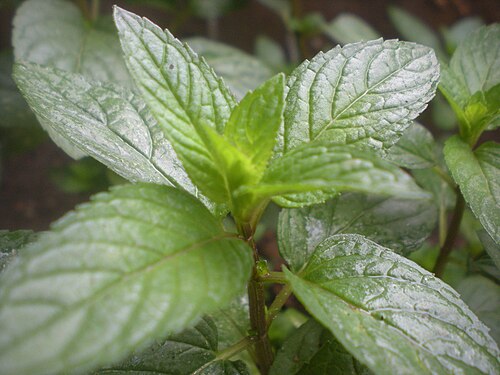
Close Relative Wikimedia Commons / CC BY 3.0 · cc-by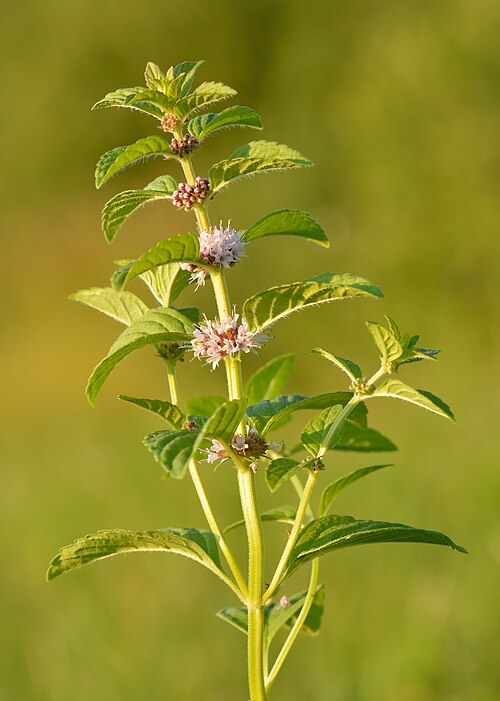
Close Relative Ivar Leidus / CC BY-SA 3.0 · cc-by-sa
Help improve the field guideSomething wrong?
Checking your Fauna account…Report a name, category, or profile issue for review.