
Plant
White Horehound
Marrubium vulgareAlso known as Common Horehound, Houndsbane
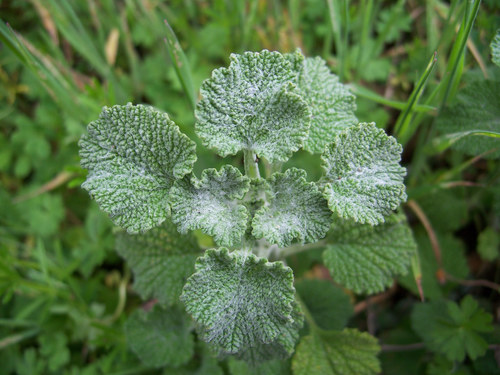
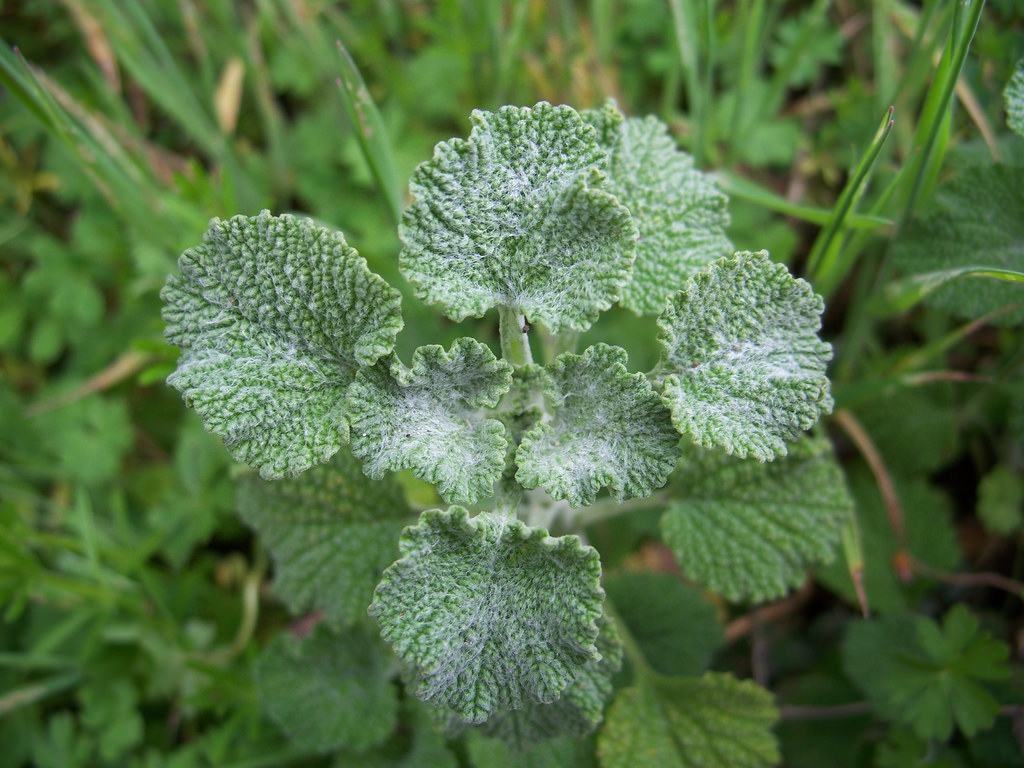
Dense white wool coats the square stems and wrinkled leaves of white horehound, reflecting harsh sunlight and slowing water loss across arid landscapes. Clusters of tiny white flowers ring the leaf axils throughout summer, maturing into stiff, hooked burrs that hitch rides on passing animals to disperse seeds. Naturalized widely beyond its native Mediterranean scrub, it readily establishes in overgrazed pastures where livestock avoid its intensely bitter marrubiin content.
AromaticDrought-TolerantFlowering
—observations
—countries
—peak records
Least ConcernConservation statusIUCN Red List categoriesLCNTVUENCREWEXLeast ConcernRed List categories, explained →
Diet & preyAutotrophic (photosynthetic)
Predators
- Horehound plume moth caterpillars
- Horehound clearwing moth caterpillars
- Grasshoppers
ThreatsHerbicidal weed management and targeted biological control agents
HabitatsPastures, roadsides, disturbed ground, rocky hillsides, and dry scrubland
Life spanPerennial (3–10 years)
Classification
- OrderLamiales
- FamilyLamiaceae
- GenusMarrubium
- SpeciesMarrubium vulgare
Range data is not available yet.
Interaction riskLow
- Low
- Moderate
- High
- Very high
- Why interaction risk is low
- Safe to observe at a normal distance.
Responsible observation
- Foliage Inspection: Look for crinkled, grayish-green leaves coated in fine downy hairs that conserve moisture.
- Aroma Detection: Rub a leaf lightly between your fingers to notice its pungent, musky herbal fragrance.
 Image unavailable
Specialized Herbivore 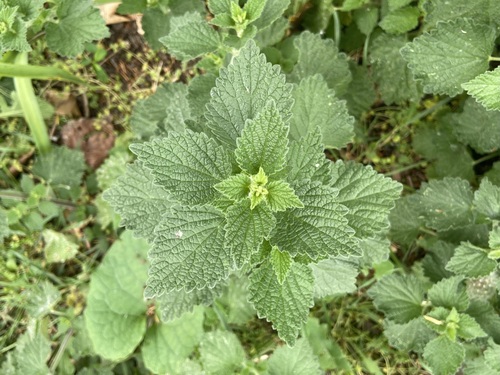
Look-Alike (c) Joss Carr, some rights reserved (CC BY) · cc-by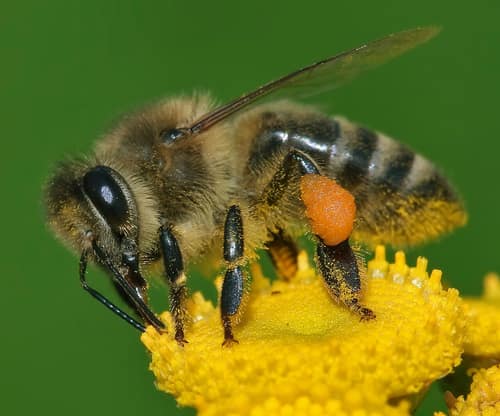
Pollinator Andreas Trepte / CC BY-SA 2.5 · cc-by-sa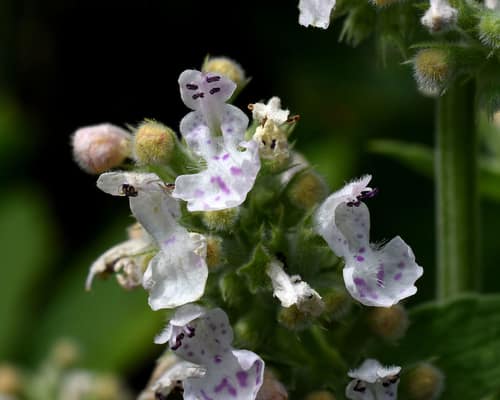
Close Relative (c) davecz2, some rights reserved (CC BY-SA), uploaded by davecz2 · cc-by-sa
Help improve the field guideSomething wrong?
Checking your Fauna account…Report a name, category, or profile issue for review.