
Plant · GBIF taxon 2927038
Autumn Sage
Salvia greggiiAlso known as Gregg Sage, Texas Sage, Chihuahuan Sage
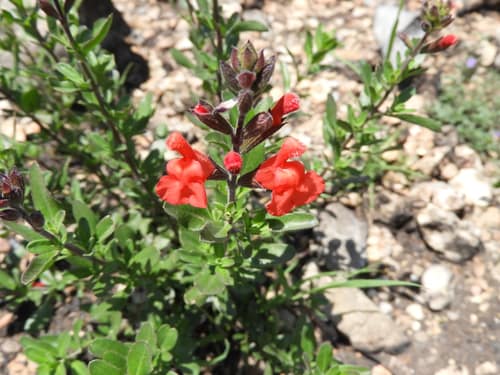
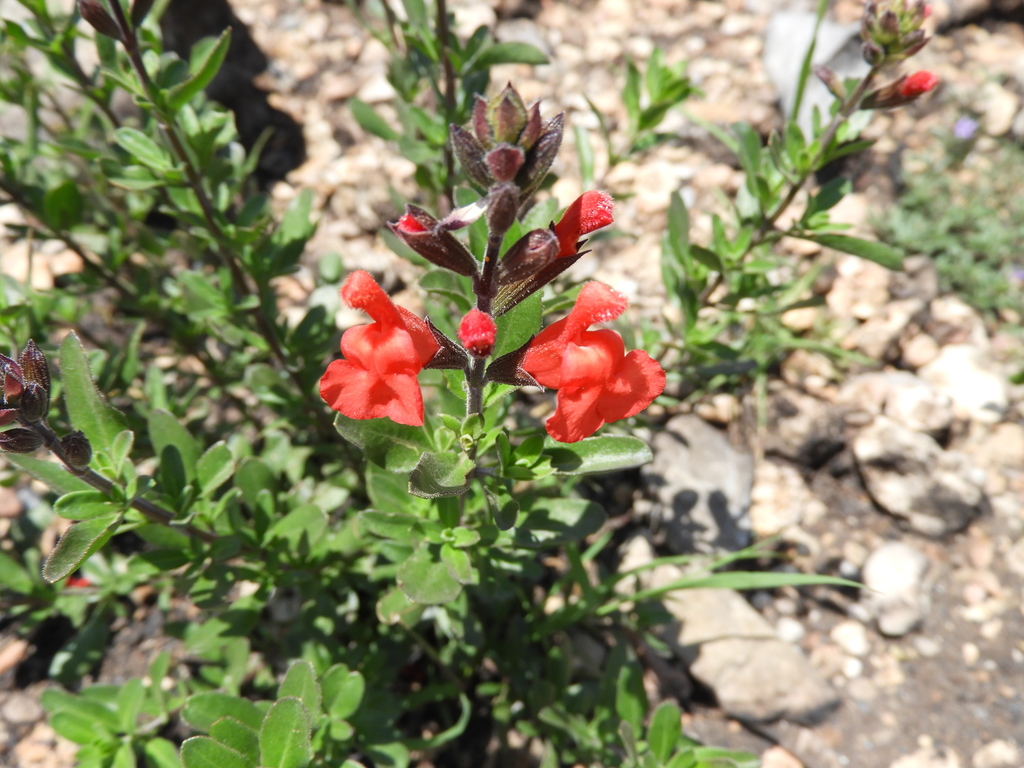
Autumn sage forms compact, woody mounds lined with small, aromatic green leaves that release a spicy scent when brushed. Bright tubular flowers in shades of red, pink, orange, and white bloom continuously from late spring through autumn, offering a vital nectar source for migrating hummingbirds. Thriving in sunny, rocky soils, this resilient shrub endures extreme heat and drought across its native desert range.
AromaticFloweringDrought-Tolerant
—observations
—countries
—peak records
Not EvaluatedConservation statusIUCN Red List categoriesLCNTVUENCREWEXNot Evaluated — not placed on the risk ladderRed List categories, explained →
Diet & prey
- Sunlight
- Water
- Soil Minerals
Predators
- Spider Mites
- Aphids
- Whiteflies
ThreatsHabitat loss, agricultural clearance
HabitatsChihuahuan Desert scrub, rocky limestone slopes, arid oak-juniper woodlands
Life span5–10 years
Size / weightNot available
Classification
- OrderLamiales
- FamilyLamiaceae
- GenusSalvia
- SpeciesSalvia greggii
Range data is not available yet.
Interaction riskLow
- Low
- Moderate
- High
- Very high
- Why interaction risk is low
- Safe to observe at a normal distance.
Responsible observation
- Observation: Watch for hummingbirds hovering to feed at the tubular blossoms during warm afternoon hours.
- Gardening: Plant in full sun with lean, exceptionally well-draining soil to prevent root rot.
- Maintenance: Prune back by one-third in early spring to stimulate fresh, bushy growth.
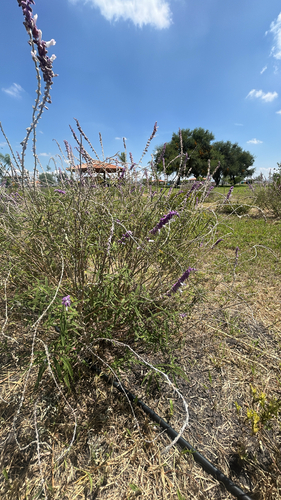
Genus Member no rights reserved · cc0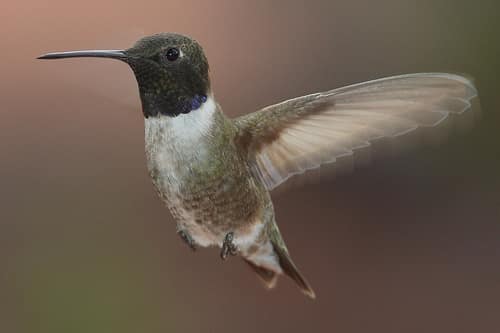
Pollinator Wikimedia Commons / CC BY-SA 3.0 · cc-by-sa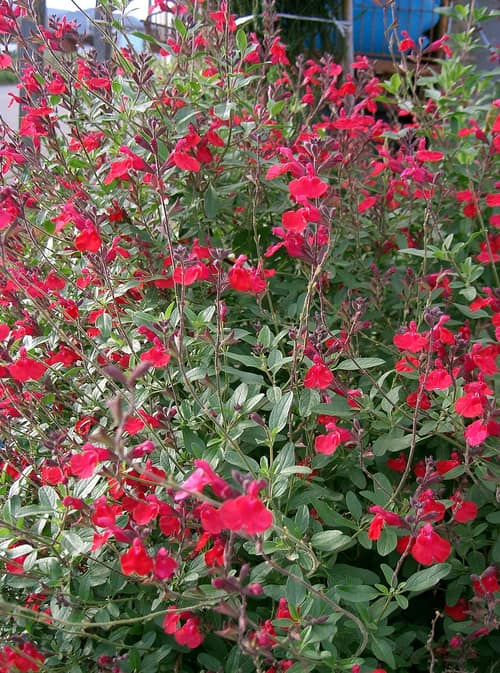
Close Relative KENPEI / CC BY-SA 3.0 · cc-by-sa
Help improve the field guideSomething wrong?
Checking your Fauna account…Report a name, category, or profile issue for review.