
Plant · GBIF taxon 2926684
Spotted Deadnettle
Lamium maculatumAlso known as Spotted Henbit, Purple Dragon, Dead Nettle
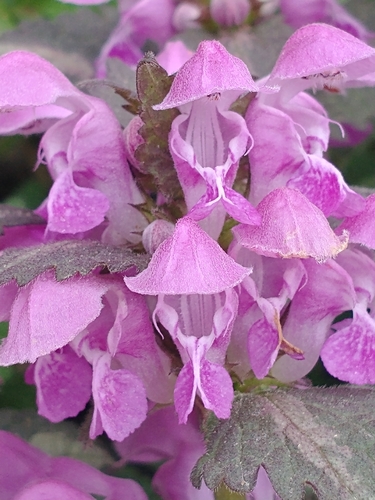
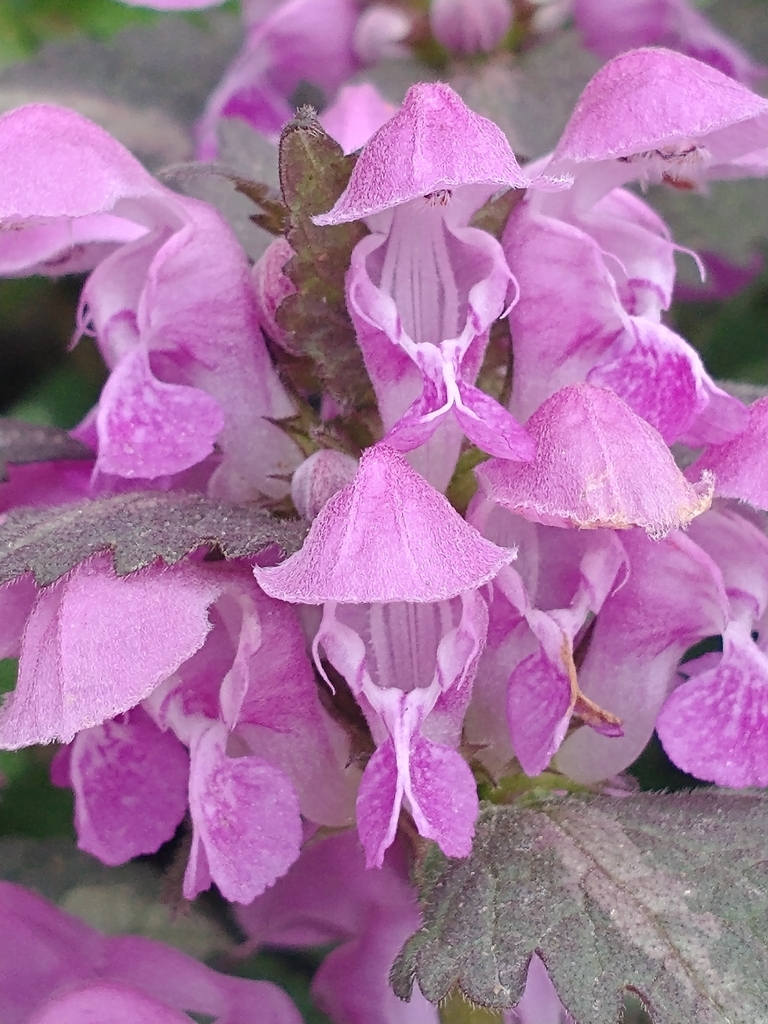
Spotted deadnettle forms dense leafy carpets across shaded woodland floors and garden borders, recognizable by heart shaped leaves often marked with a striking silvery central stripe. Its hooded, pink to purple flowers bloom from spring to late summer, offering an essential early nectar source for emerging bumblebees. Despite its resemblance to stinging nettles, this plant lacks stinging hairs and spreads vigorously through trailing stems that root at the nodes.
GroundcoverFloweringShade Tolerant
 1 / 7
1 / 7—observations
—countries
—peak records
Least ConcernConservation statusIUCN Red List categoriesLCNTVUENCREWEXLeast ConcernRed List categories, explained →
Diet & prey
- Autotrophic (Photosynthetic)
Predators
- Slugs
- Snails
- Aphids
ThreatsHabitat loss in native regions; can become invasive in introduced areas
HabitatsDeciduous woodlands, hedge banks, shaded gardens, damp soils
Life spanPerennial
Size / weightNot available
Classification
- OrderLamiales
- FamilyLamiaceae
- GenusLamium
- SpeciesLamium maculatum
Range data is not available yet.
Interaction riskLow
- Low
- Moderate
- High
- Very high
- Why interaction risk is low
- Safe to observe at a normal distance.
Responsible observation
- Observe pollinators: Watch for long-tongued bumblebees feeding inside the hooded pink blooms during early spring.
- Check leaf markings: Examine the distinct silver stripe running down the center of each leaf to confirm identification.
- Touch safely: Feel the soft stems to notice the square cross-section typical of the mint family.
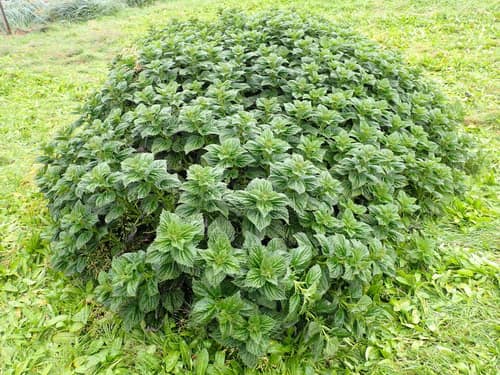
Visual Look-Alike no rights reserved, uploaded by georgiasteel · cc0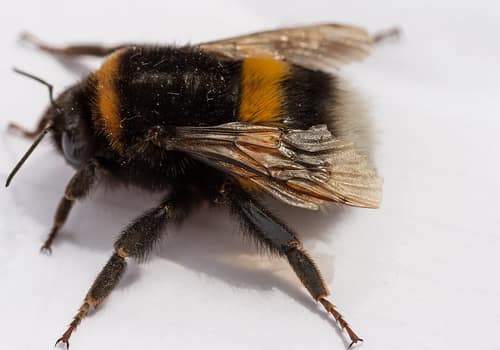
Pollinator Marco Almbauer / CC0 · cc0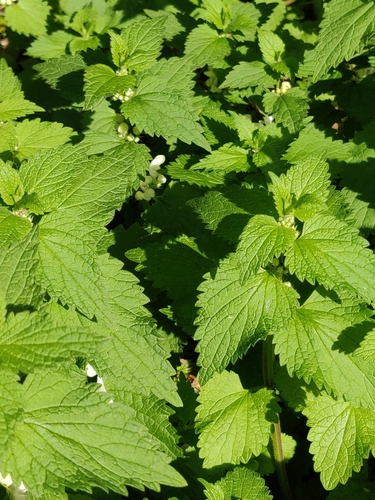
Close Relative (c) Christine Rampon, some rights reserved (CC BY) · cc-by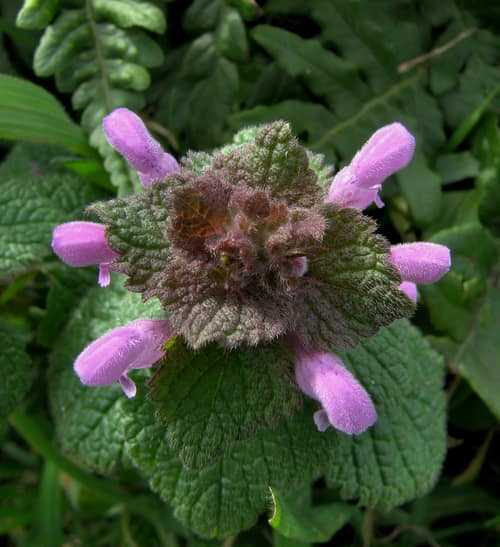
Close Relative (c) anonymous, some rights reserved (CC BY) · cc-by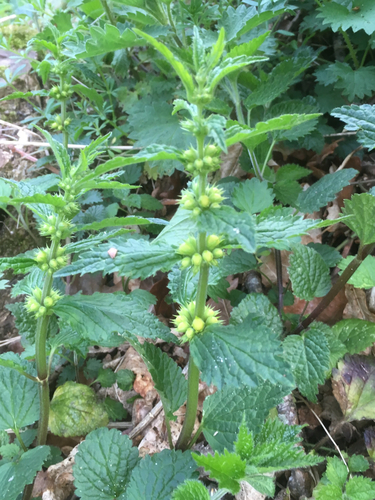
Close Relative (c) Paul Cook, some rights reserved (CC BY), uploaded by Paul Cook · cc-by
Help improve the field guideSomething wrong?
Checking your Fauna account…Report a name, category, or profile issue for review.