
Plant
Red Deadnettle
Lamium purpureumAlso known as Purple Dead-Nettle, Purple Archangel
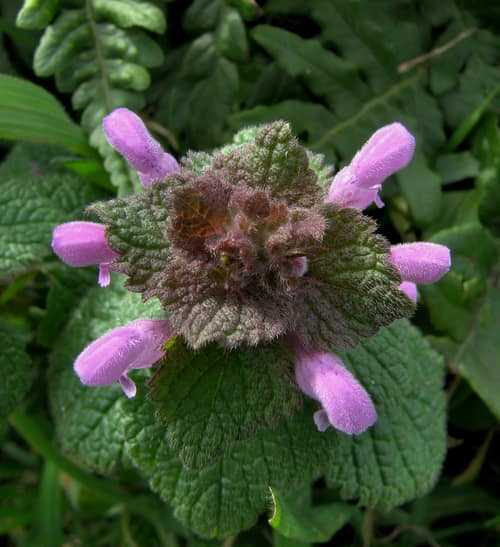
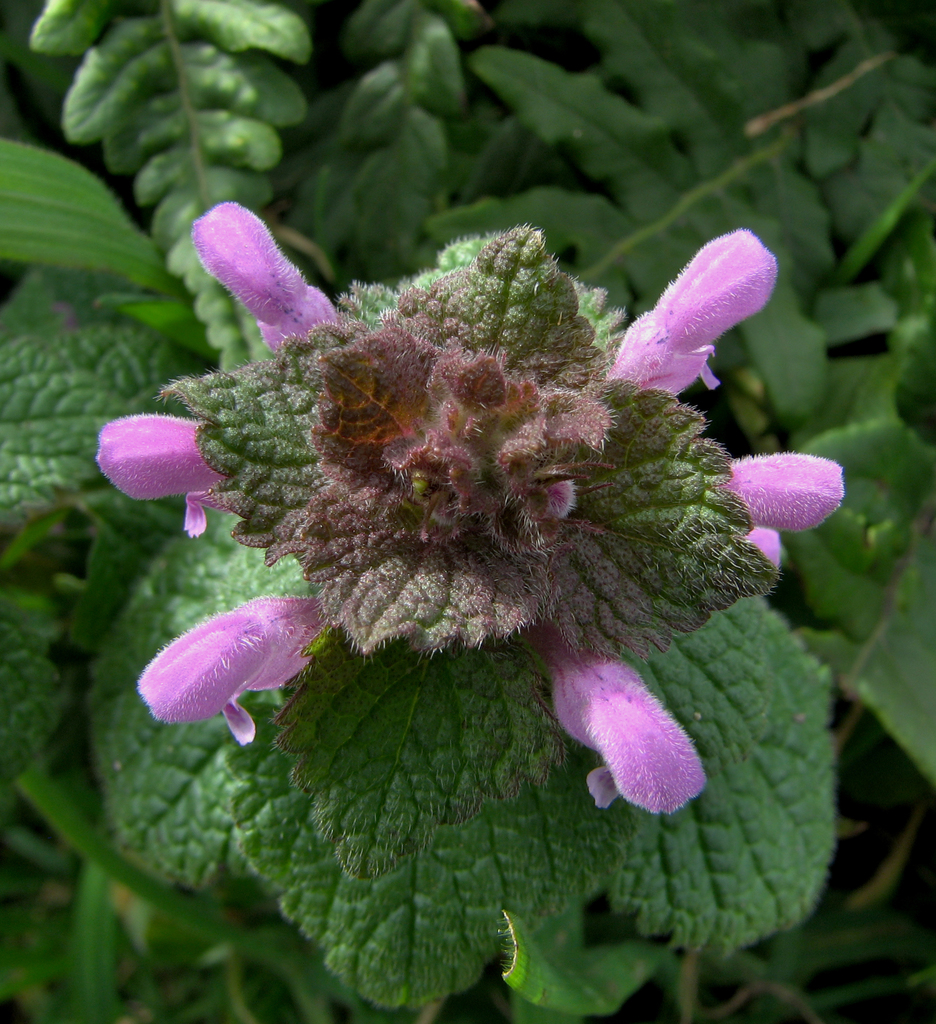
Red deadnettle is one of the earliest herbaceous plants to awaken in late winter, carpeting disturbed soil with soft, four-angled stems and upper foliage flushed with reddish-purple pigment. Dense whorls of hooded, pinkish-purple flowers provide a vital early nectar and pollen resource for emerging bumblebee queens long before most other flora blooms. Despite visual similarities to true stinging nettles, its leaves lack urticating hairs entirely, making the plant completely harmless to touch.
Early BloomerGround CoverFlowering
—observations
—countries
—peak records
Least ConcernConservation statusIUCN Red List categoriesLCNTVUENCREWEXLeast ConcernRed List categories, explained →
Diet & preyPhotosynthesis
Predators
- Garden Slugs
- Aphids
- Cottontail Rabbits
ThreatsBroadleaf herbicide application, frequent mowing, intensive tillage
HabitatsDisturbed soil, agricultural fields, roadsides, gardens, waste ground
Life span1 year (annual)
Classification
- OrderLamiales
- FamilyLamiaceae
- GenusLamium
- SpeciesLamium purpureum
Range data is not available yet.
Interaction riskLow
- Low
- Moderate
- High
- Very high
- Why interaction risk is low
- Safe to observe at a normal distance.
Responsible observation
- Spring Scouting: Search sunny garden beds and uncultivated edges in late winter for the characteristic purple-tinged mats.
- Tactile Identification: Gently examine the stem to feel the distinct square cross-section shared by members of the mint family.
- Pollinator Viewing: Pause by blooming patches on calm, mild afternoons to observe overwintered queen bees foraging.
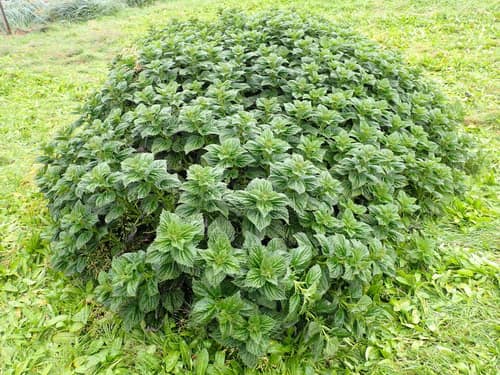
Look-Alike no rights reserved, uploaded by georgiasteel · cc0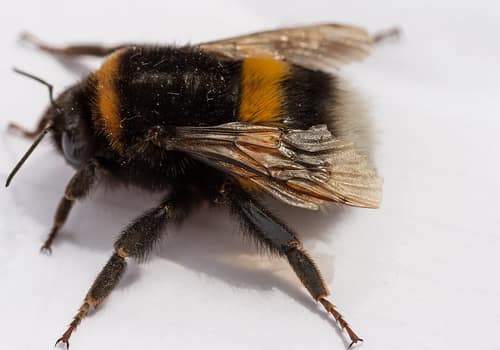
Pollinator Marco Almbauer / CC0 · cc0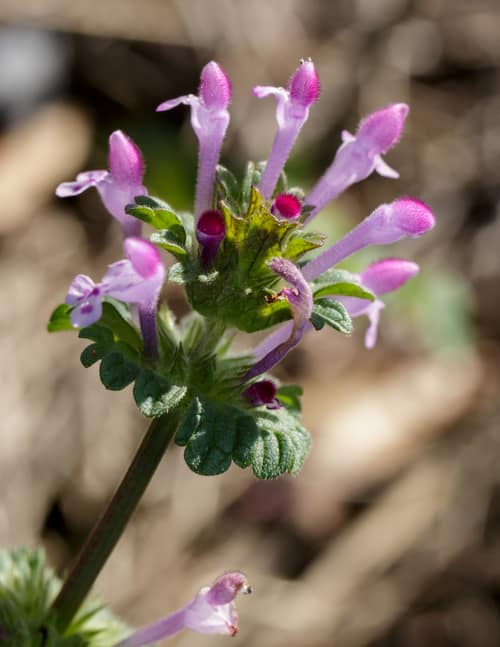
Close Relative (c) Meghan Cassidy, some rights reserved (CC BY-SA), uploaded by Meghan Cassidy · cc-by-sa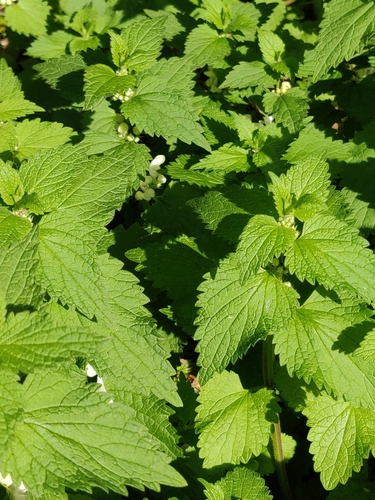
Close Relative (c) Christine Rampon, some rights reserved (CC BY) · cc-by
Help improve the field guideSomething wrong?
Checking your Fauna account…Report a name, category, or profile issue for review.