
Plant · GBIF taxon 2926654
Vinegar Weed
Trichostema lanceolatumAlso known as Vinegarweed, Camphor Weed, Turpentine Weed
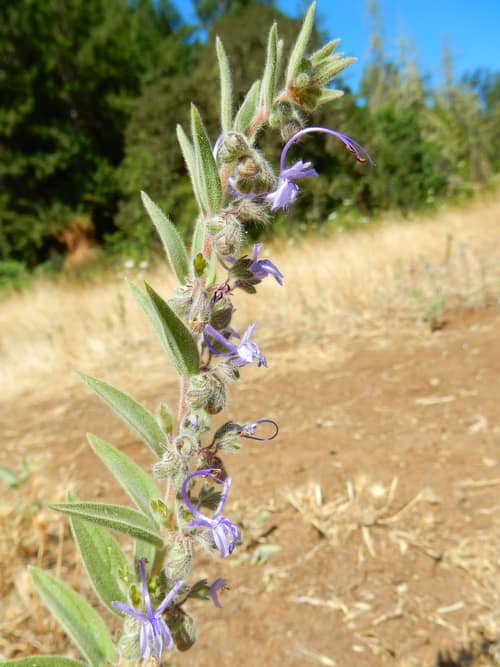
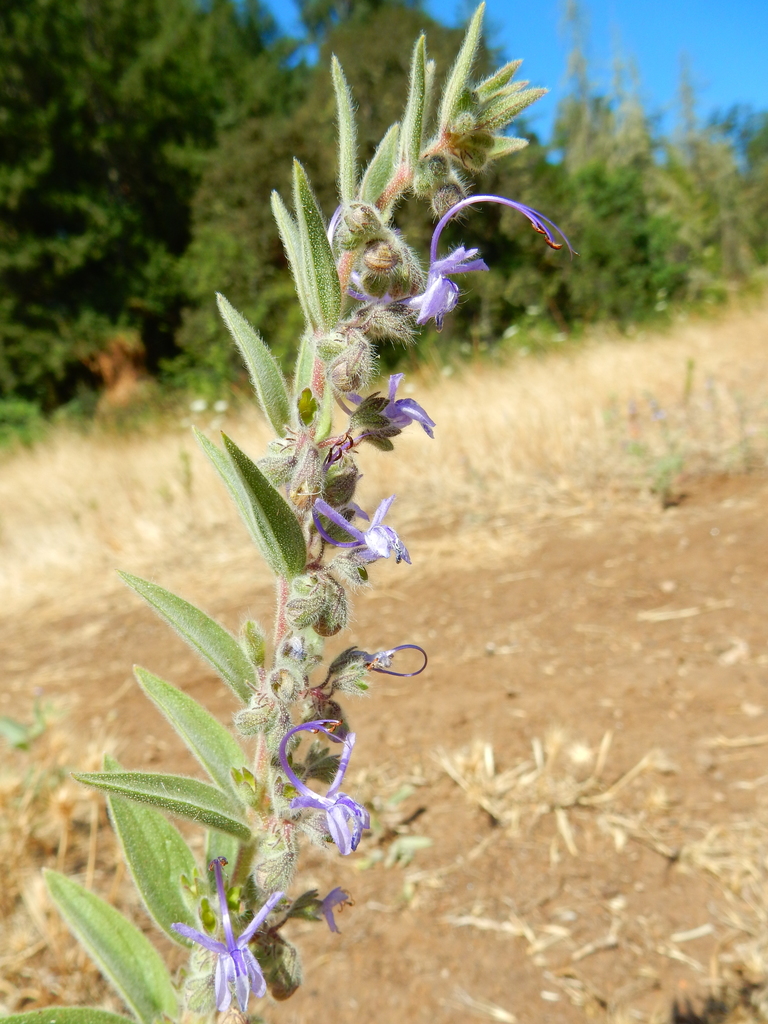
Vinegar weed carpets dry western hillsides and chaparral during the intense heat of late summer, long after most other annual herbs have withered. Covered in sticky glandular hairs, its soft soft-green foliage releases a pungent vinegar and camphor aroma when touched. Long, dramatically curved stamens arch over blue-purple flowers to dust the backs of visiting native bees with pollen.
AromaticNativeFlowering
 1 / 7
1 / 7—observations
—countries
—peak records
Not EvaluatedConservation statusIUCN Red List categoriesLCNTVUENCREWEXNot Evaluated — not placed on the risk ladderRed List categories, explained →
Diet & prey
- Sunlight
- Water
- Soil nutrients
Predators
- Grasshoppers
- Browsing beetles
ThreatsAgricultural expansion, invasive plant competition
HabitatsDry fields, chaparral, oak woodlands, pastures
Life spanAnnual (1 year)
Classification
- FamilyLamiaceae
- SpeciesTrichostema lanceolatum
Range data is not available yet.
Interaction riskLow
- Low
- Moderate
- High
- Very high
- Why interaction risk is low
- Sticky foliage oils can cause mild skin irritation; avoid heavy handling.
- Why it is dangerous
- Glandular hairs produce potent volatile oils and resins that cause mild contact dermatitis or skin redness in sensitive individuals.
- How to recognize a risky encounter
- Soft, lance-shaped leaves covered in sticky hairs that release a powerful vinegar odor when crushed.
- What to do
- Observe and smell without heavy handling, or wear garden gloves if clearing plants.
Responsible observation
- Crush Gently: Lightly brush the leaves with fingertips to experience the strong vinegar scent without harming the plant.
- Look for Bees: Watch native sweat bees and bumblebees trigger the spring-loaded arched stamens.
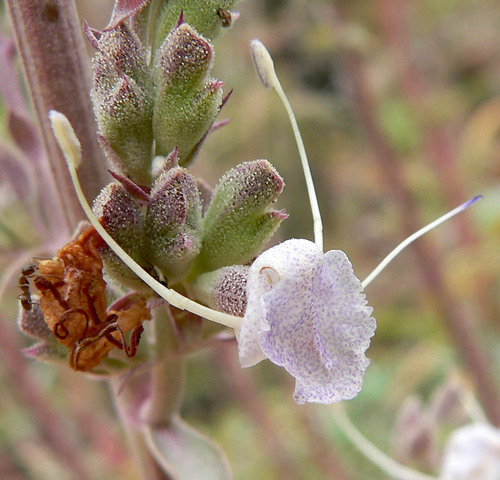
Co-Occurring Native (c) Stan Shebs, some rights reserved (CC BY-SA) · cc-by-sa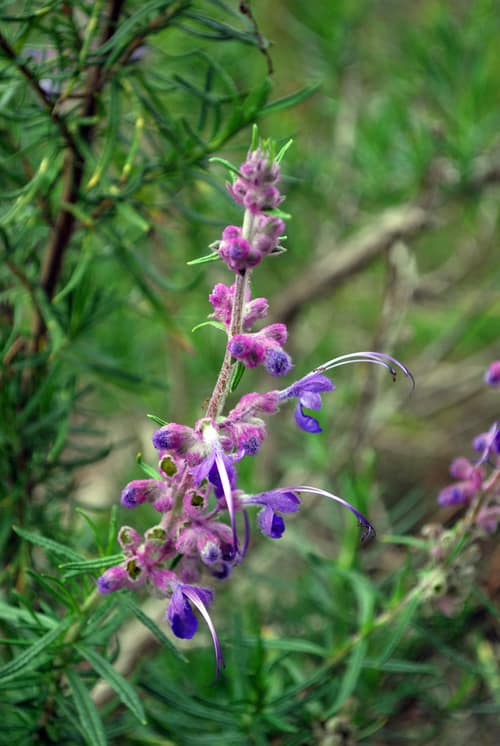
Close Relative (c) Bri Weldon, some rights reserved (CC BY) · cc-by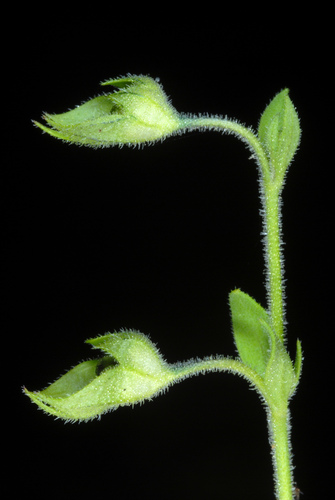
Close Relative (c) Douglas Goldman, some rights reserved (CC BY-SA), uploaded by Douglas Goldman · cc-by-sa
Help improve the field guideSomething wrong?
Checking your Fauna account…Report a name, category, or profile issue for review.