
Plant
Ground-ivy
Glechoma hederaceaAlso known as Creeping Charlie, Gill-over-the-ground, Alehoof, Catsfoot
Ground-ivy spreads rapidly across shaded lawns and damp woodlands, anchoring itself at leaf nodes along trailing square stems. Small purplish-blue flowers blossom in pairs from the leaf axils in early spring, providing an important early nectar source for solitary bees and hoverflies. When crushed underfoot, the scalloped leaves release a distinct minty, pungent aroma that historically made it a popular bittering agent for brewing ale.
AromaticCreepingFlowering
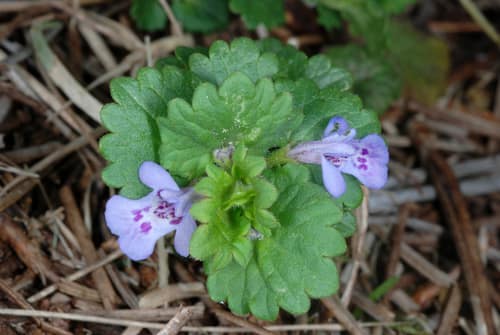
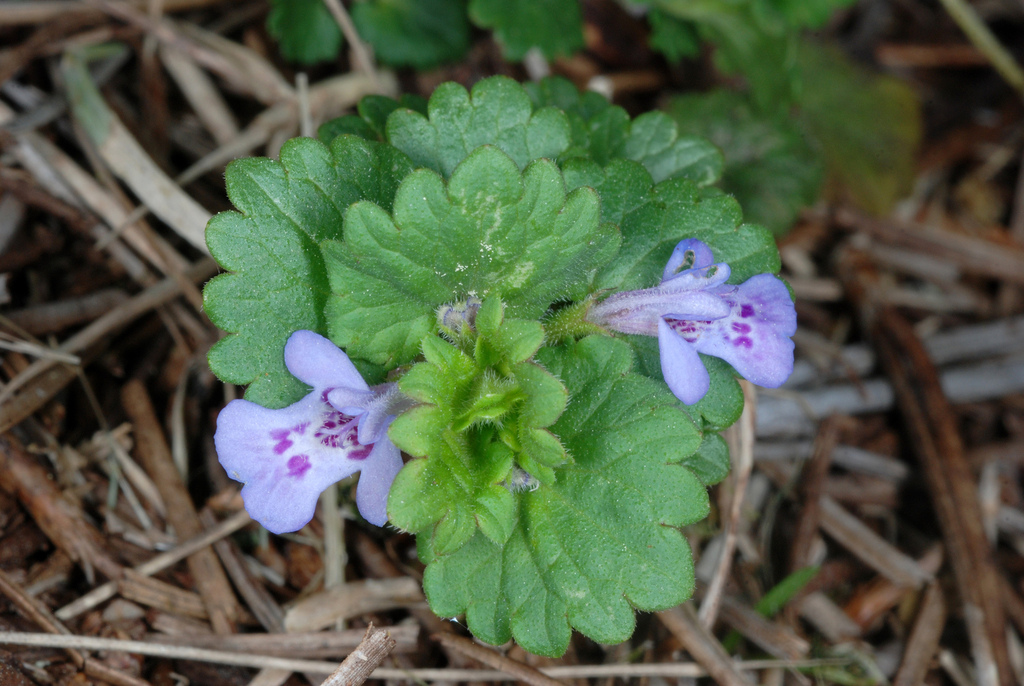
—observations
—countries
—peak records
Least ConcernConservation statusIUCN Red List categoriesLCNTVUENCREWEXLeast ConcernRed List categories, explained →
Diet & preySunlight, Water, Soil Minerals
Predators
- Slugs
- Snails
- Rabbits
ThreatsHerbicides and intensive turf management
HabitatsLawns, damp woodlands, hedgerows, and disturbed ground
Life spanPerennial
Classification
- OrderLamiales
- FamilyLamiaceae
- GenusGlechoma
- SpeciesGlechoma hederacea
Range data is not available yet.
Interaction riskHigh
- Low
- Moderate
- High
- Very high
- Why interaction risk is high
- Toxic to horses and pets if ingested; observe or remove safely from livestock areas.
- Why it is dangerous
- Contains volatile oils such as glechomin that can cause digestive distress and systemic toxicity in horses and pets.
- How to recognize a risky encounter
- Recognized by its creeping square stems, scalloped kidney-shaped leaves, and small blue-violet funnel-shaped flowers.
- What to do
- Prevent horses and pets from grazing in dense patches and wear garden gloves when hand-pulling.
Responsible observation
- Identification: Check for square stems, kidney-shaped scalloped leaves, and a minty scent when crushed.
- Lawn Management: Hand-pull early in spring before creeping stolons root deeply into the soil.
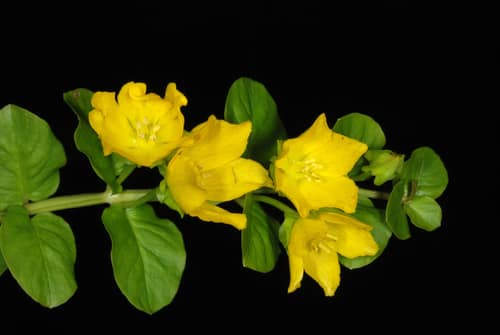
Competitor (c) Douglas Goldman, some rights reserved (CC BY-SA), uploaded by Douglas Goldman · cc-by-sa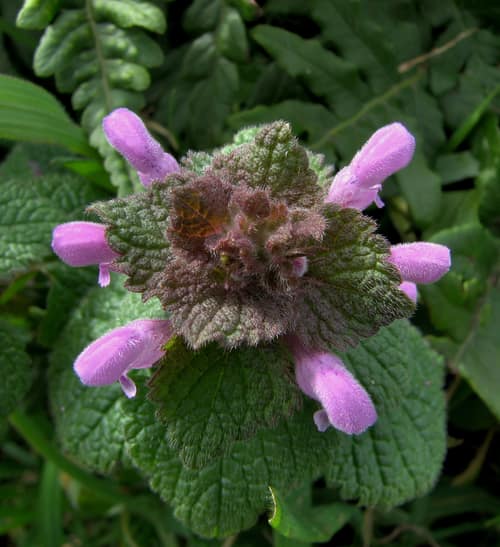
Close Relative (c) anonymous, some rights reserved (CC BY) · cc-by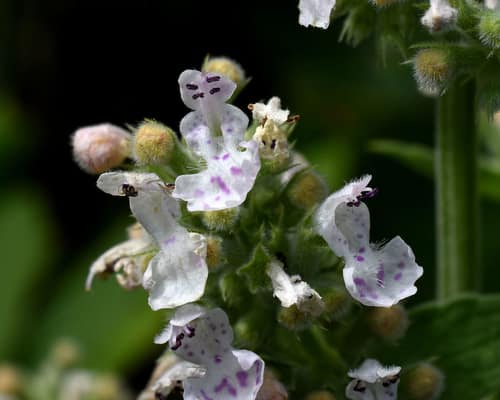
Close Relative (c) davecz2, some rights reserved (CC BY-SA), uploaded by davecz2 · cc-by-sa
Help improve the field guideSomething wrong?
Checking your Fauna account…Report a name, category, or profile issue for review.