
Flower
Texas Vervain
Verbena haleiAlso known as Texas Verbena, Slender Verbena
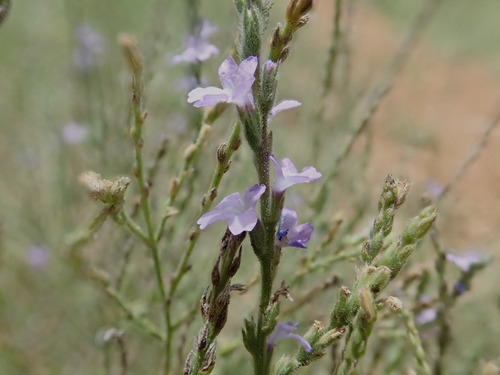
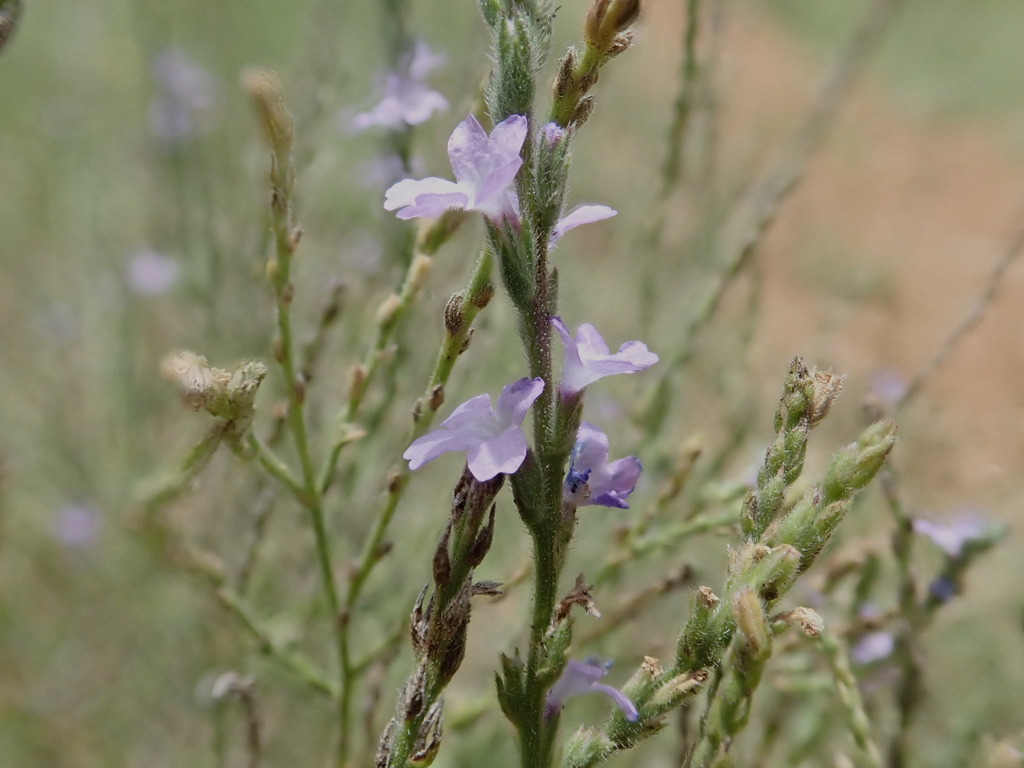
Texas vervain sends up stiff, square stems crowned with delicate spires of pale lavender or blue flowers from early spring into midsummer. Often overlooked until in full bloom, it thrives in disturbed fields, roadsides, and open pastures where its deep taproot withstands intense summer drought. The tiny tubular blossoms open sequentially from bottom to top along elongated spikes, offering a dependable nectar source for native bees and early-season butterflies.
WildflowerDrought-TolerantPollinator-Friendly
—observations
—countries
—peak records
Not EvaluatedConservation statusIUCN Red List categoriesLCNTVUENCREWEXNot Evaluated — not placed on the risk ladderRed List categories, explained →
Diet & preyAutotrophic (photosynthesis)
Predators
- Herbivorous insects
- Grazing livestock
- White-tailed deer
ThreatsHerbicide spraying, intensive mowing, and habitat loss
HabitatsPrairies, open woodlands, pastures, roadsides, and disturbed fields
Life span3–5 years
Classification
- OrderLamiales
- FamilyVerbenaceae
- GenusVerbena
- SpeciesVerbena halei
Range data is not available yet.
Interaction riskLow
- Low
- Moderate
- High
- Very high
- Why interaction risk is low
- Safe to observe at a normal distance.
Responsible observation
- Pollinator spotting: Search the elongated flower spikes on sunny mornings to watch small native bees and skippers foraging.
- Identification: Look for deeply lobed lower leaves that transition into narrow, lance-shaped leaves near the top of the stems.
- Observation season: Check dry roadside margins and pasture edges between March and June when the blooming spikes are most conspicuous.
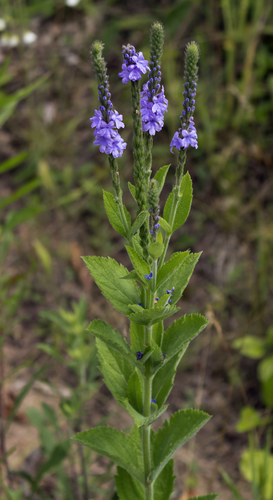
Close Relative (c) aarongunnar, some rights reserved (CC BY), uploaded by aarongunnar · cc-by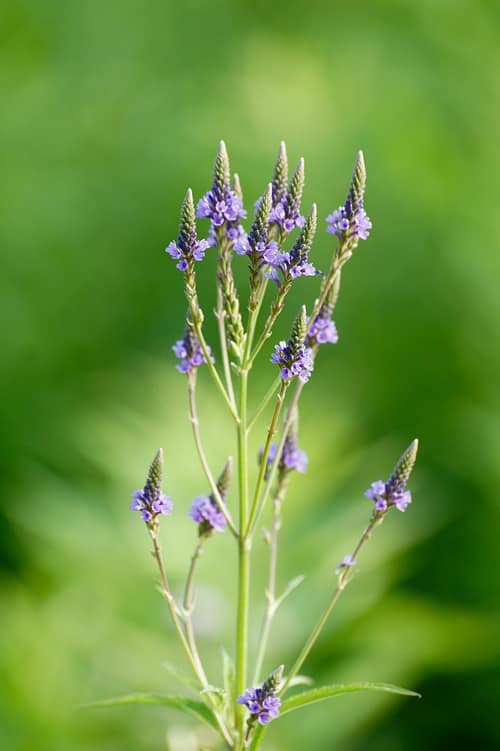
Close Relative (c) psweet, some rights reserved (CC BY-SA), uploaded by psweet · cc-by-sa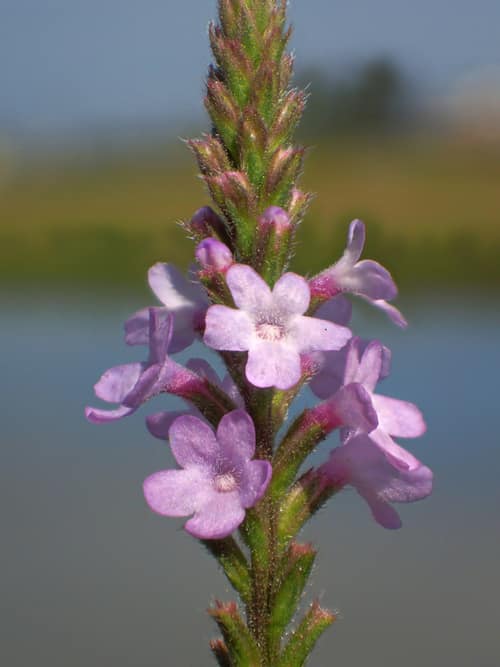
Close Relative no rights reserved, uploaded by 葉子 · cc0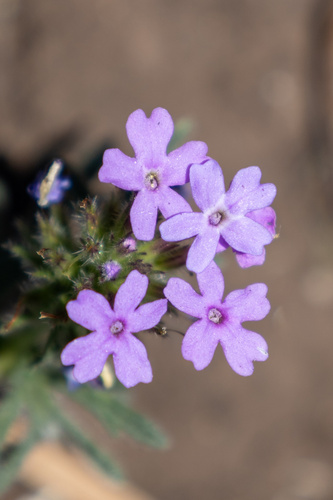
Same Family (c) Roberto Daniel Avila, some rights reserved (CC BY), uploaded by Roberto Daniel Avila · cc-by
Help improve the field guideSomething wrong?
Checking your Fauna account…Report a name, category, or profile issue for review.