
Plant
Grey Mangrove
Avicennia marinaAlso known as White Mangrove, Evergreen Mangrove
Grey mangroves thrive along estuarine coastlines across the Indo-Pacific, tolerating extreme salinity by excreting salt through tiny glands on their glossy green leaves. They send up thousands of pencil-like aerial roots, known as pneumatophores, which project from the muddy substrate to absorb oxygen during low tide. These resilient trees act as coastal sentinels, stabilizing shoreline sediments and providing vital nursery grounds for marine life.
Salt-tolerantCoastalEcosystem Builder
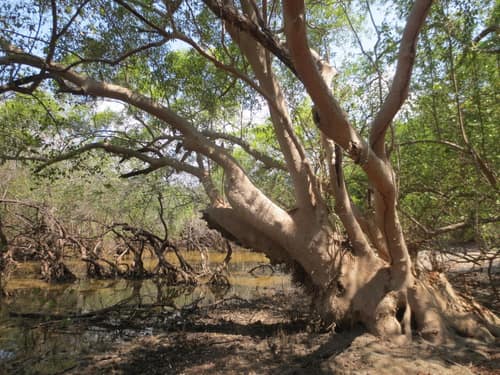
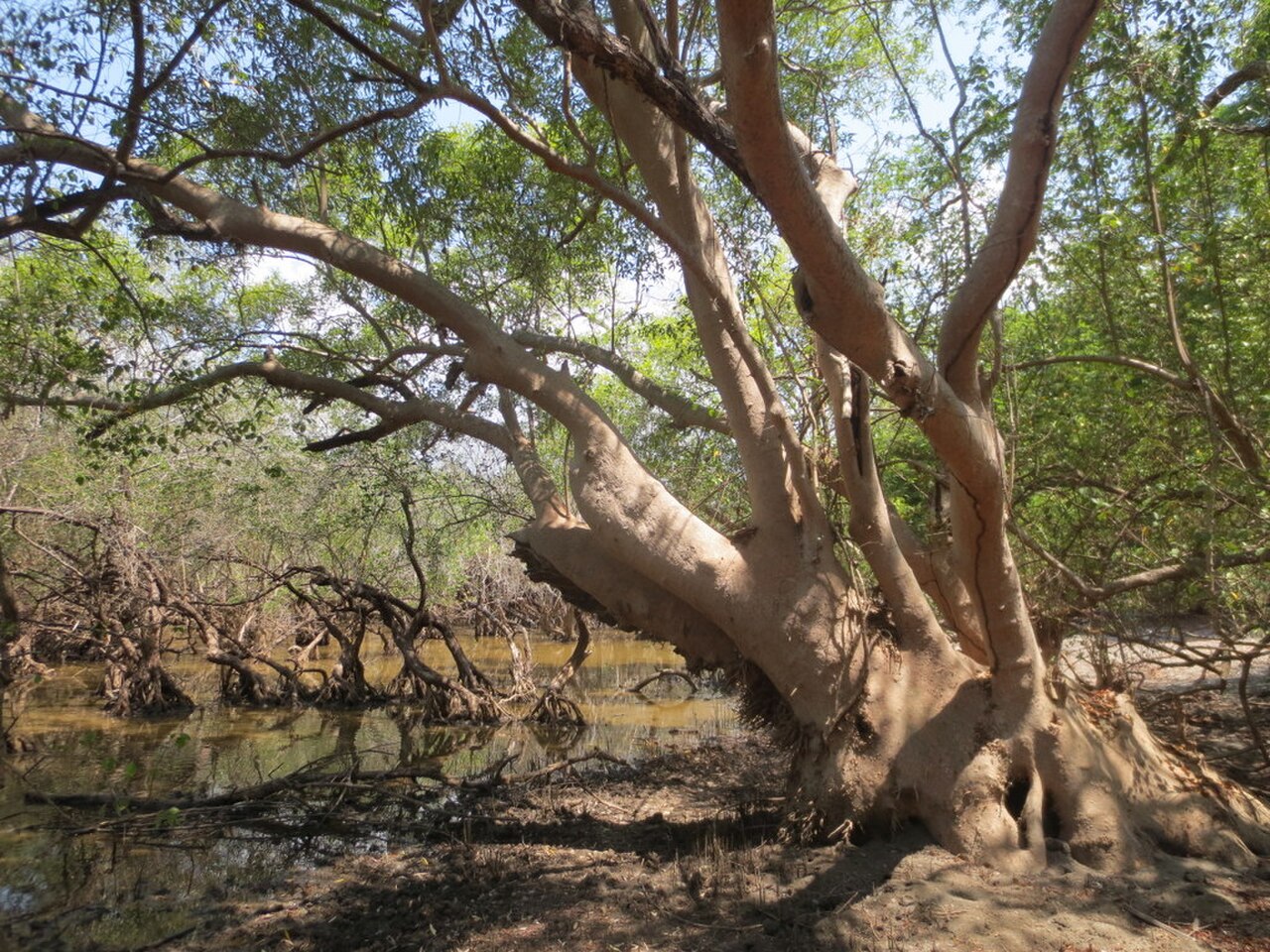
—observations
—countries
—peak records
Least ConcernConservation statusIUCN Red List categoriesLCNTVUENCREWEXLeast ConcernRed List categories, explained →
Diet & preySunlight, Water, Soil Nutrients
Predators
- Mangrove Crabs
- Caterpillars
ThreatsCoastal development, habitat destruction, sea level rise, marine pollution
HabitatsIntertidal zones, estuaries, coastal mudflats, sheltered bays
Life span50–100+ years
Classification
- FamilyAcanthaceae
- SpeciesAvicennia marina
Range data is not available yet.
Interaction riskLow
- Low
- Moderate
- High
- Very high
- Why interaction risk is low
- Safe to observe at a normal distance.
Responsible observation
- Observe Pneumatophores: Look for pencil-like root spikes rising out of the mud around the tree base.
- Examine Leaf Surfaces: Search for tiny salt crystals glinting on the underside of green leaves.
- Tide Timing: Visit sheltered estuaries during low tide to view the exposed root system safely.
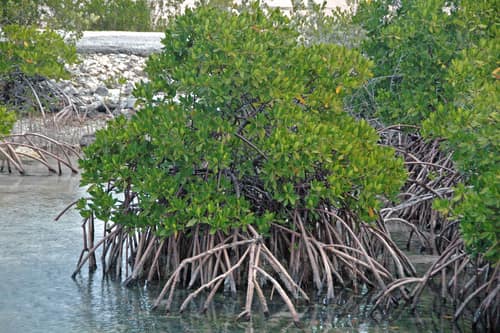
Coastal Neighbor (c) James St. John, some rights reserved (CC BY) · cc-by Image unavailable
Co-Occurring Species 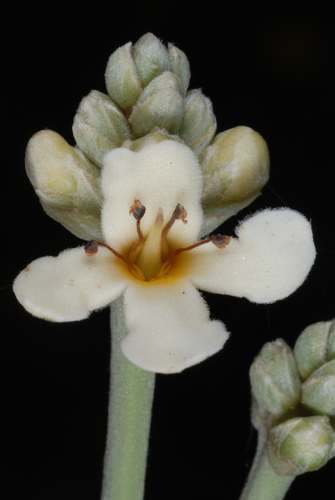
Close Relative (c) Douglas Goldman, some rights reserved (CC BY-SA), uploaded by Douglas Goldman · cc-by-sa
Help improve the field guideSomething wrong?
Checking your Fauna account…Report a name, category, or profile issue for review.