
Plant · GBIF taxon 2925335
Texas Lantana
Lantana urticoidesTexas lantana is a rough-leaved perennial shrub with square young stems and rounded clusters of tubular flowers. Individual blooms shift from yellow toward orange or red as the cluster ages, producing a multicolored display.
flowering shrubpollinator plantrough leaves
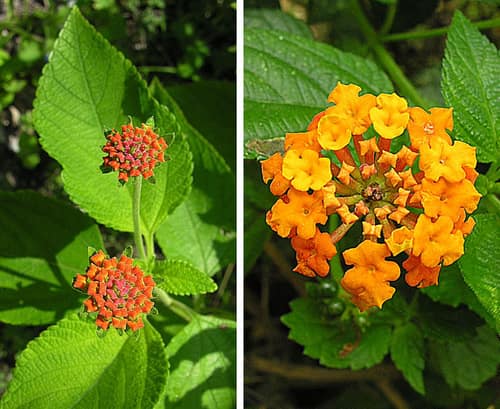
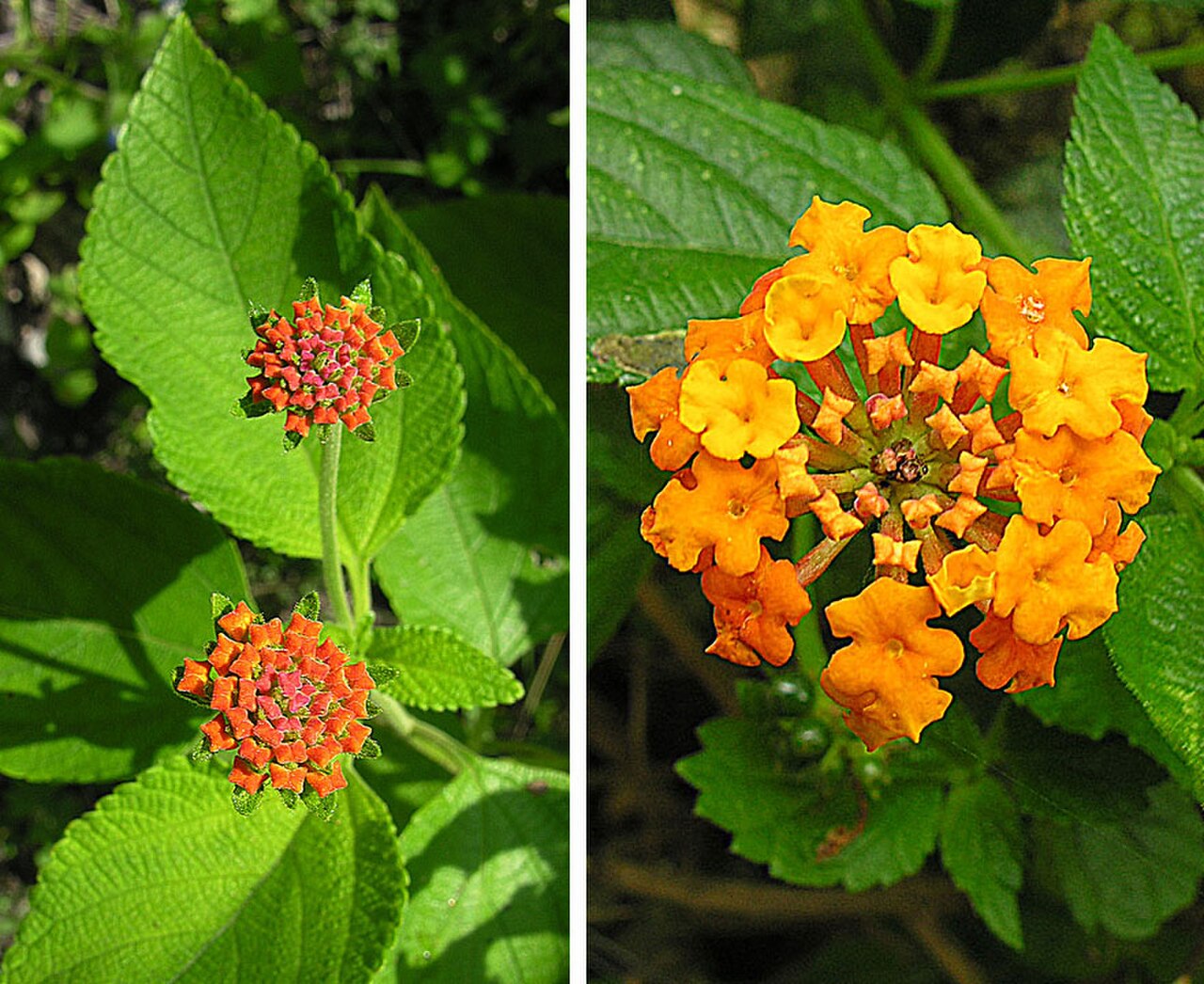
—observations
—countries
—peak records
Not EvaluatedConservation statusIUCN Red List categoriesLCNTVUENCREWEXNot Evaluated — not placed on the risk ladderRed List categories, explained →
Diet & prey
- Produces energy through photosynthesis and tolerates dry conditions through a persistent woody root system
Predators
- whiteflies
- lace bugs
- grazing mammals
ThreatsHabitat conversion, severe cold, herbicide use, and altered disturbance patterns
HabitatsDry scrub, rocky slopes, open woodland, roadsides, and sunny disturbed ground
Life spanA perennial shrub that can persist for many years in suitable climates
Size / weightNot available
Classification
- OrderLamiales
- FamilyVerbenaceae
- GenusLantana
- SpeciesLantana urticoides
Range data is not available yet.
Interaction riskHigh
- Low
- Moderate
- High
- Very high
- Why interaction risk is high
- Lantana tissues can poison people, pets, and livestock when swallowed.
- Why it is dangerous
- Lantana contains toxic triterpenoids that can cause digestive illness, weakness, and liver injury.
- How to recognize a risky encounter
- Confirm a rough aromatic shrub with opposite leaves and dense clusters of color-changing tubular flowers.
- What to do
- Do not ingest any part, keep clippings from animals, and use gloves when clearing substantial growth.
Responsible observation
- Identify: Check rough opposite leaves, square twigs, and multicolored rounded flower clusters.
- Observe: Keep children and grazing animals from mouthing any plant material.
Help improve the field guideSomething wrong?
Checking your Fauna account…Report a name, category, or profile issue for review.