
Plant · GBIF taxon 2923947
Buttonbush
Cephalanthus occidentalisAlso known as Common Buttonbush, Button-willow
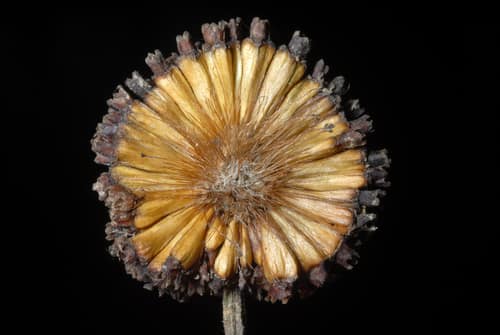
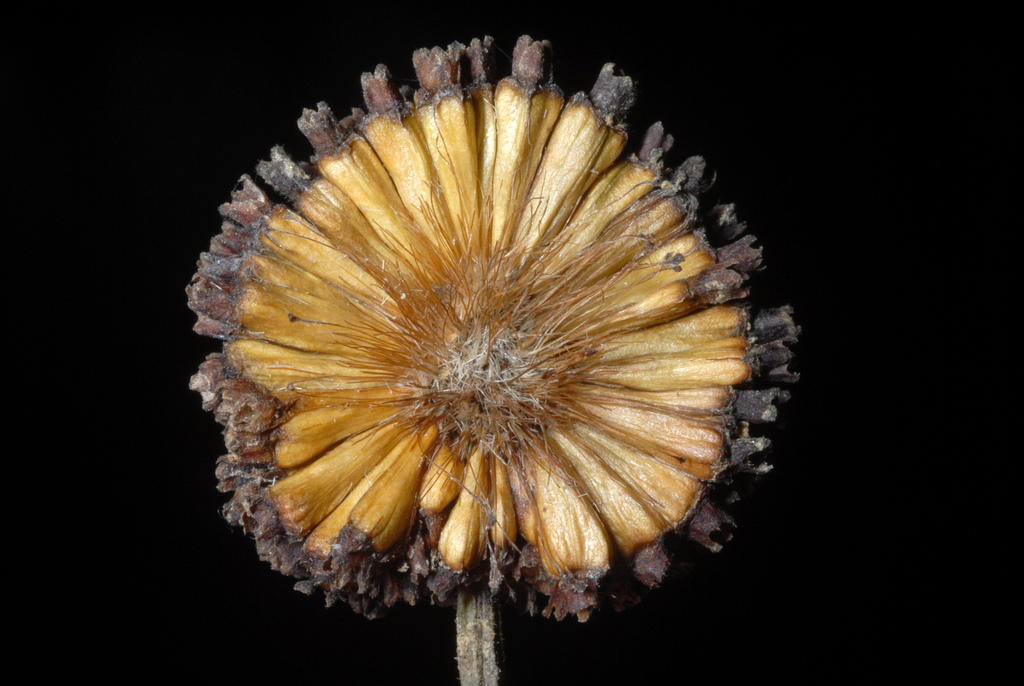
Buttonbush is a wetland shrub with opposite or whorled glossy leaves and spherical white flower heads. Long projecting styles give each fragrant globe a pincushion appearance attractive to many pollinating insects.
wetland shrubspherical flowerpollinator plant
 1 / 7
1 / 7—observations
—countries
—peak records
Least ConcernConservation statusIUCN Red List categoriesLCNTVUENCREWEXLeast ConcernRed List categories, explained →
Diet & prey
- Produces energy through photosynthesis and draws abundant moisture through woody roots
Predators
- deer
- caterpillars
- leaf beetles
ThreatsWetland drainage, shoreline clearing, altered flooding, and prolonged drought
HabitatsSwamps, pond margins, marshes, floodplains, and slow stream edges
Life spanA perennial woody shrub that can persist for several decades
Size / weightNot available
Classification
- OrderGentianales
- FamilyRubiaceae
- GenusCephalanthus
- SpeciesCephalanthus occidentalis
Range data is not available yet.
Interaction riskHigh
- Low
- Moderate
- High
- Very high
- Why interaction risk is high
- Plant tissues contain compounds that may be harmful if swallowed.
- Why it is dangerous
- Buttonbush contains biologically active compounds and should not be treated as a food plant.
- How to recognize a risky encounter
- Confirm glossy opposite or whorled leaves and dense spherical white flower heads.
- What to do
- Do not ingest leaves, bark, or seeds, and keep collected plant material away from children and animals.
Responsible observation
- Identify: Look for round white flower heads with many pin-like projecting styles.
- Observe: Stay on firm shoreline and leave wetland branches uncut.
Help improve the field guideSomething wrong?
Checking your Fauna account…Report a name, category, or profile issue for review.