
Plant · GBIF taxon 2917876
Wild-medlar
Vangueria infaustaAlso known as African Medlar, Velvet Wild-medlar, False Medlar
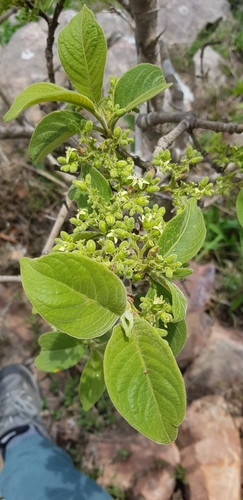
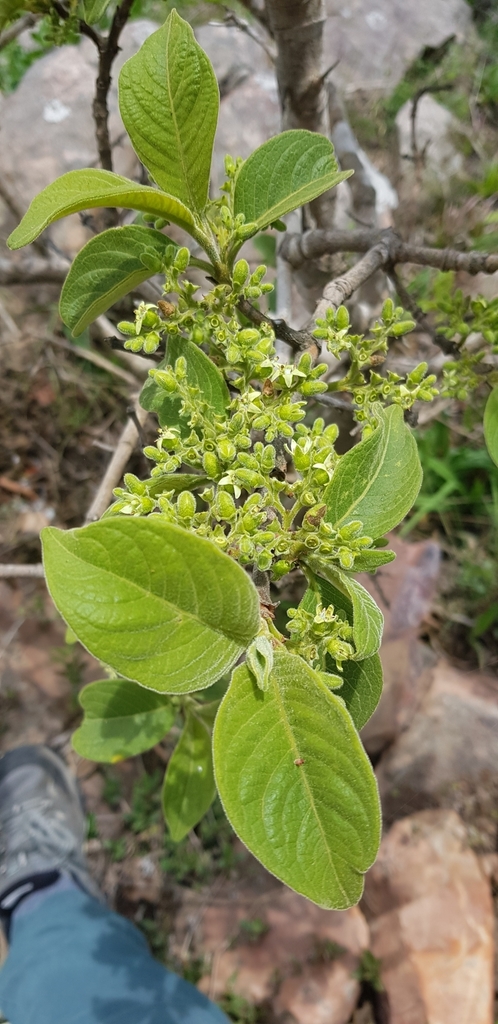
Wild-medlar thrives across the sunny savannas and rocky ridges of eastern and southern Africa as a hardy, multi-stemmed deciduous shrub or small tree. Its broad, opposite leaves possess a velvety, hairy underside that helps conserve moisture during severe dry spells. Dense clusters of rounded, golf-ball-sized fruits ripen from green to dull reddish-brown in late summer, serving as an important seasonal resource for resident wildlife.
DeciduousFruit-bearingDrought-tolerant
—observations
—countries
—peak records
Least ConcernConservation statusIUCN Red List categoriesLCNTVUENCREWEXLeast ConcernRed List categories, explained →
Diet & prey
- Photosynthetic (sunlight, water, and soil minerals)
Predators
- Chacma baboon
- Greater kudu
- African bush elephant
ThreatsHabitat transformation, excessive fuel-wood collection, agricultural clearing
HabitatsBushveld, wooded savanna, rocky ridges, coastal scrub
Life span30–60 years
Classification
- OrderGentianales
- FamilyRubiaceae
- GenusVangueria
- SpeciesVangueria infausta
Range data is not available yet.
Interaction riskLow
- Low
- Moderate
- High
- Very high
- Why interaction risk is low
- Wild fruits have toxic look-alikes; never eat based on app identification alone.
Responsible observation
- Foliage Check: Feel the underside of mature leaves to note the dense, soft velvet pubescence.
- Fruiting Cues: Look along sunny granite outcrops in late summer to spot heavy clusters of ripening drupes.
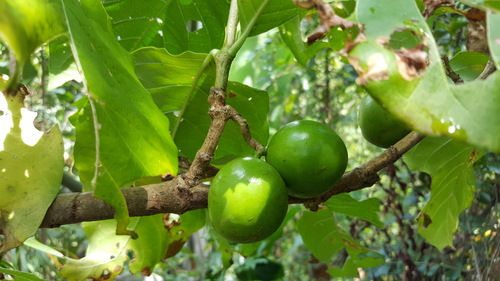
Same Genus no rights reserved, uploaded by Romer N. Rabarijaona · cc0 Image unavailable
Same Family Same Family Same Family
Help improve the field guideSomething wrong?
Checking your Fauna account…Report a name, category, or profile issue for review.