
Plant · GBIF taxon 2908579
Buttonweed
Diodia virginianaAlso known as Virginia Buttonweed, Common Buttonweed
Virginia buttonweed forms dense, creeping mats across damp lawns, ditches, and riverbanks throughout the southeastern United States. Small white, star-shaped flowers with four petals emerge directly from the leaf axils from spring until frost. Deep taproots and spreading fleshy stems allow it to thrive in soggy, poorly drained soils where other groundcover struggles.
PerennialSprawlingFlowering
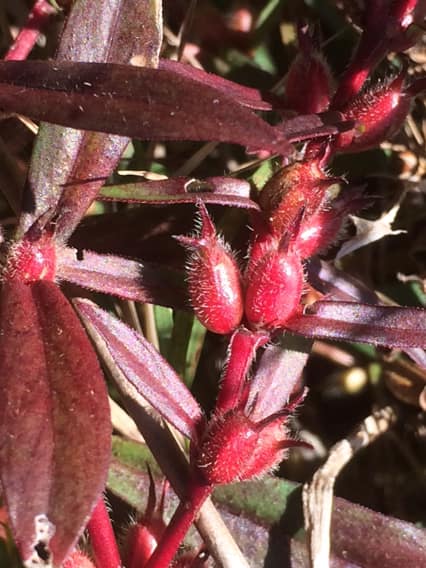
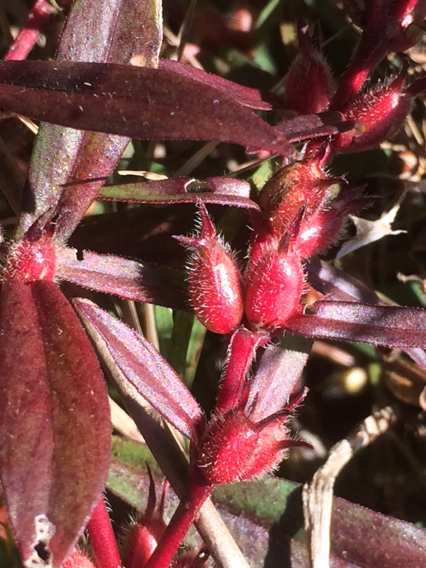 1 / 7
1 / 7—observations
—countries
—peak records
Least ConcernConservation statusIUCN Red List categoriesLCNTVUENCREWEXLeast ConcernRed List categories, explained →
Diet & prey
- Autotrophic (photosynthetic)
Predators
- Grasshoppers
- Caterpillars
- White-tailed deer
ThreatsHerbicide application and intensive turf management
HabitatsLawns, riverbanks, roadside ditches, moist fields
Life spanPerennial
Size / weightNot available
Classification
- OrderGentianales
- FamilyRubiaceae
- GenusDiodia
- SpeciesDiodia virginiana
Range data is not available yet.
Interaction riskLow
- Low
- Moderate
- High
- Very high
- Why interaction risk is low
- Safe to observe at a normal distance.
Responsible observation
- Identification: Look for small white four-petaled flowers nestled directly in the leaf joints along squarish stems.
- Habitat Check: Search in low-lying, damp areas of lawns or pond margins throughout late summer.
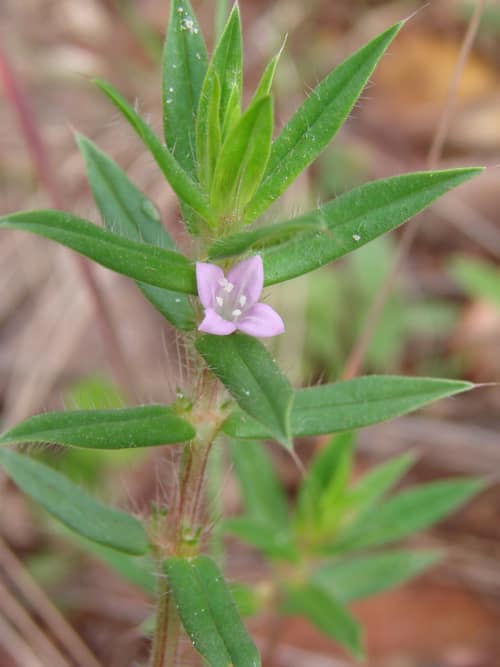
Close Relative João Medeiros / CC BY 2.0 · cc-by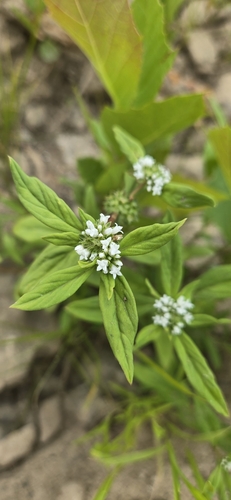
Close Relative (c) daksu, some rights reserved (CC BY) · cc-by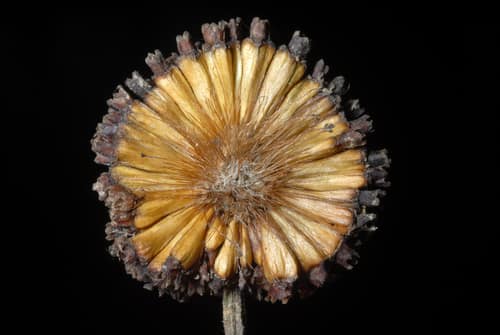
Family Member (c) Douglas Goldman, some rights reserved (CC BY-SA), uploaded by Douglas Goldman · cc-by-sa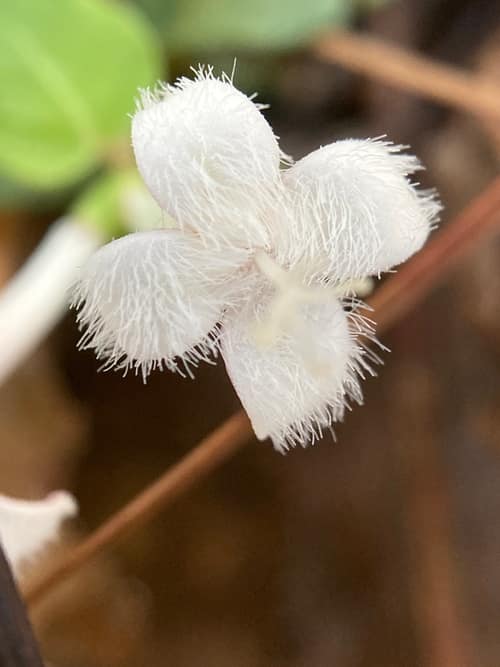
Family Member no rights reserved, uploaded by mikoikoi · cc0
Help improve the field guideSomething wrong?
Checking your Fauna account…Report a name, category, or profile issue for review.