
Plant · GBIF taxon 2891935
Casuarina obesa
Casuarina obesaAlso known as Swamp She-oak, Western Swamp Oak, Goolee, Kweela
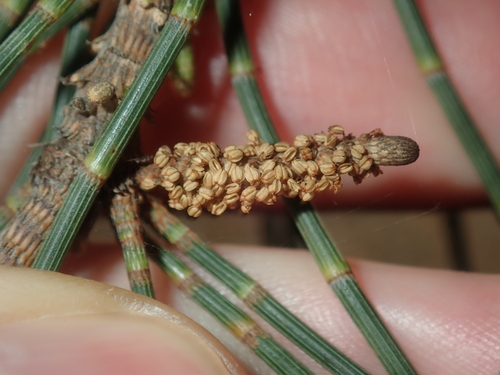
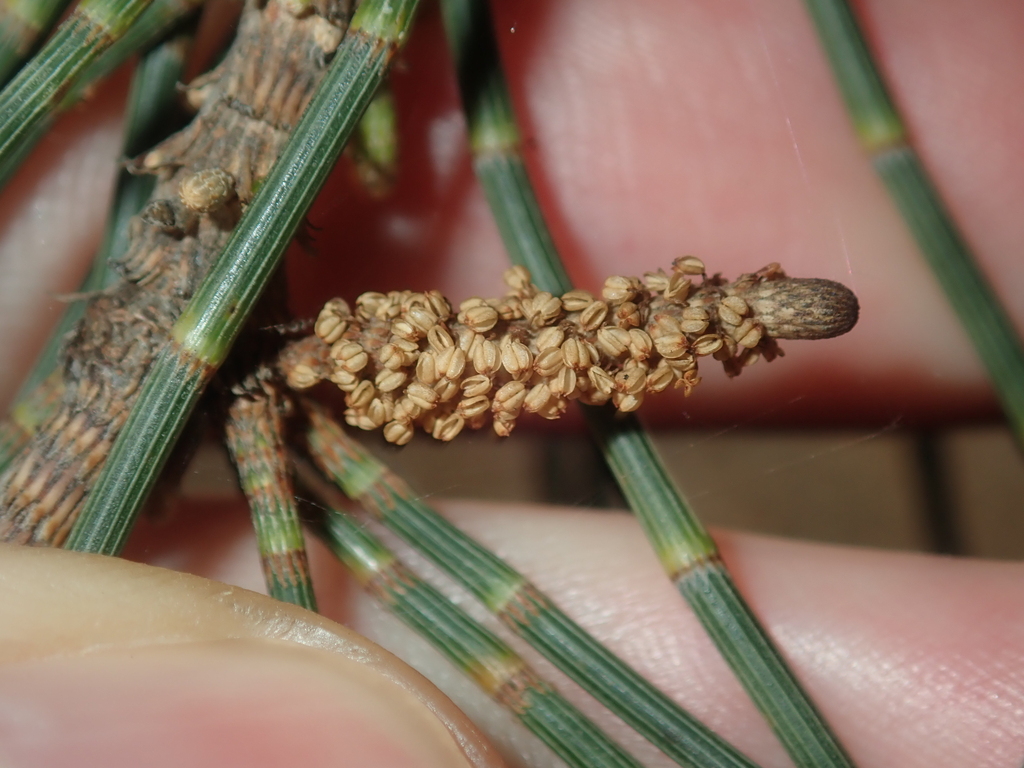
Swamp she-oaks dominate saline wetlands and riverbanks across southern Australia, where their pine-like grey-green branchlets whistle softly in coastal breezes. Specialized photosynthetic branchlets perform the work of leaves, which are reduced to microscopic scale teeth arranged in whorls along each segment. Through symbiotic root nodules that fix atmospheric nitrogen, these resilient trees thrive in harsh, highly saline soils where few other woody plants can survive.
TreeSalt-tolerantAustralian Native
 1 / 7
1 / 7—observations
—countries
—peak records
Least ConcernConservation statusIUCN Red List categoriesLCNTVUENCREWEXLeast ConcernRed List categories, explained →
Diet & prey
- Sunlight
- Water
- Soil Minerals
Predators
Not available
ThreatsSalinity changes, hydrological modification, coastal development
HabitatsSaline wetlands, riverbanks, brackish swamps, coastal estuaries
Life span50–100 years
Size / weightNot available
Classification
- FamilyCasuarinaceae
- SpeciesCasuarina obesa
Range data is not available yet.
Interaction riskLow
- Low
- Moderate
- High
- Very high
- Why interaction risk is low
- Safe to observe at a normal distance.
Responsible observation
- Look for Scale Whorls: Examine the green jointed branchlets to count the 12 to 16 tiny scale teeth at each node.
- Observe Cone Structures: Look for woody, cylindrical cone-like fruits on female trees throughout the year.
- Check Wetland Margins: Search near brackish streams and salt flats where its roots stabilize eroded banks.
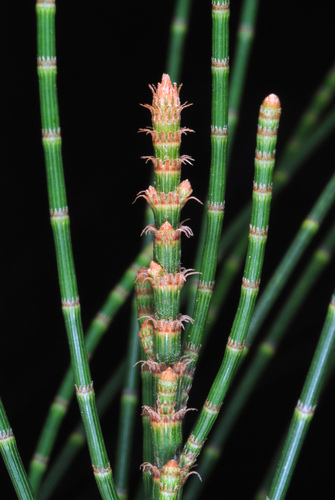
Close Relative (c) Douglas Goldman, some rights reserved (CC BY-SA), uploaded by Douglas Goldman · cc-by-sa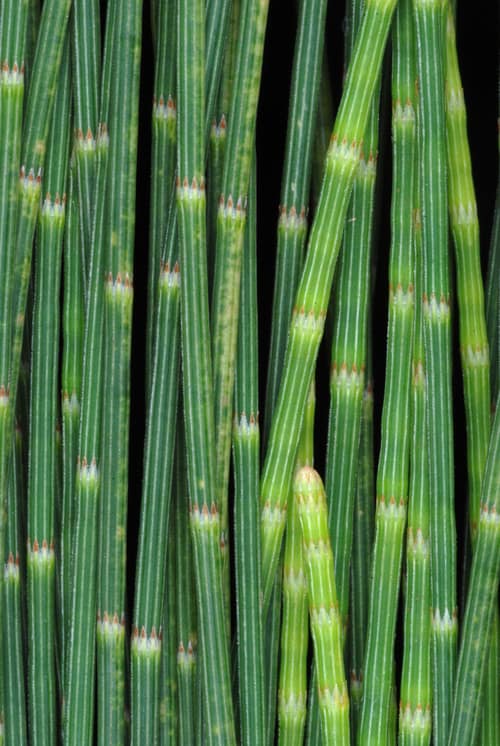
Close Relative (c) Douglas Goldman, some rights reserved (CC BY-SA), uploaded by Douglas Goldman · cc-by-sa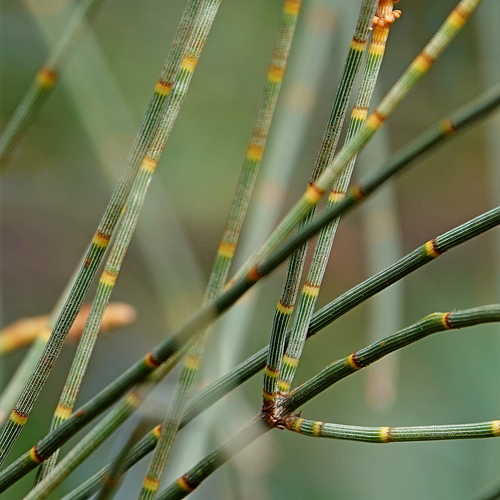
Close Relative (c) Max Campbell, some rights reserved (CC BY), uploaded by Max Campbell · cc-by
Help improve the field guideSomething wrong?
Checking your Fauna account…Report a name, category, or profile issue for review.