
Plant
River Sheoak
Casuarina cunninghamianaAlso known as River Oak, Creek Oak
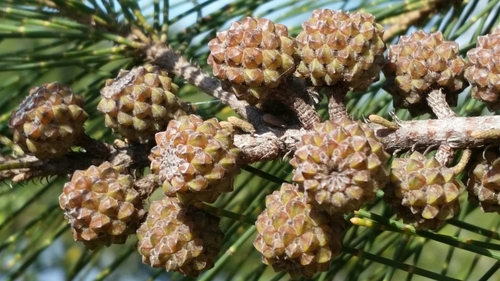
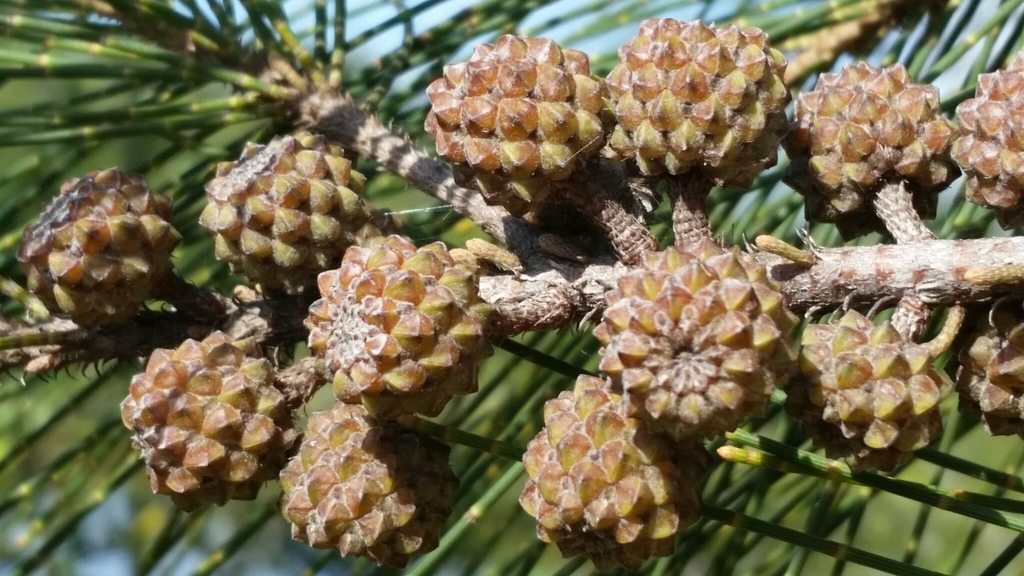
River sheoaks line freshwater riverbanks and creek channels across eastern Australia, where their extensive fibrous root systems anchor riparian soils against high-velocity floodwaters. Although appearing remarkably like conifers from afar, their slender needle-like foliage consists of jointed photosynthetic branchlets that bear tiny reduced scale leaves in rings at each joint. Through symbiotic root nodules containing Frankia bacteria, these resilient trees fix atmospheric nitrogen, allowing them to thrive and rapidly stabilize exposed gravel bars and eroded banks.
RiparianNitrogen-FixingEvergreen
—observations
—countries
—peak records
Least ConcernConservation statusIUCN Red List categoriesLCNTVUENCREWEXLeast ConcernRed List categories, explained →
Diet & preyPhotoautotrophic; acquires nitrogen via symbiotic Frankia bacteria
Predators
- Glossy Black Cockatoo
- Yellow-tailed Black Cockatoo
- Wood-boring Beetles
ThreatsRiparian clearing, river regulation, invasive weeds, and altered flood regimes
HabitatsRiparian corridors, riverbanks, creek beds, and freshwater wetlands
Life span50–100 years
Classification
- OrderFagales
- FamilyCasuarinaceae
- GenusCasuarina
- SpeciesCasuarina cunninghamiana
Range data is not available yet.
Interaction riskLow
- Low
- Moderate
- High
- Very high
- Why interaction risk is low
- Safe to observe at a normal distance.
Responsible observation
- Look at the joints: Pull apart a green branchlet segment to observe the tiny whorl of teeth-like scale leaves.
- Listen in the wind: Stand beneath a grove to hear the distinct sighing whistle created as breezes pass through the fine branchlets.
- Inspect the ground: Check under the canopy for small woody cones, often discarded by feeding black cockatoos.
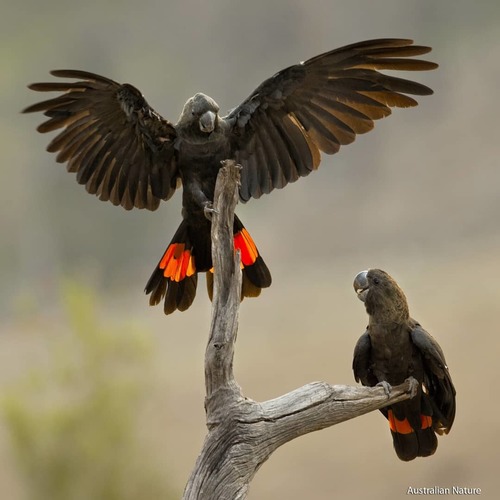
Seed Predator (c) Bowerbirdaus, some rights reserved (CC BY-SA) · cc-by-sa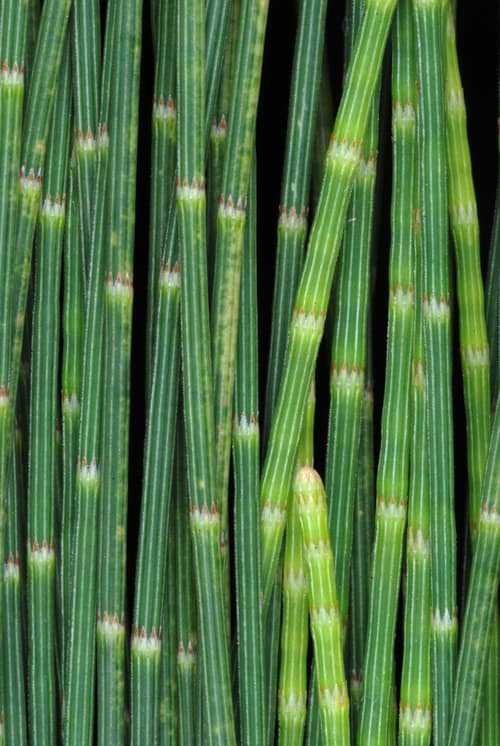
Close Relative (c) Douglas Goldman, some rights reserved (CC BY-SA), uploaded by Douglas Goldman · cc-by-sa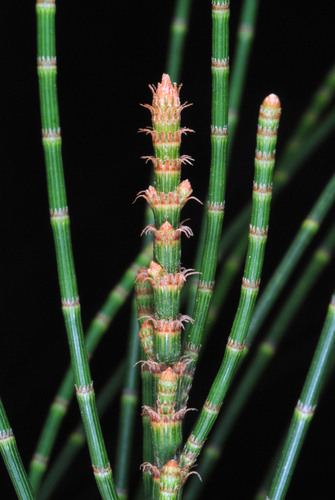
Close Relative (c) Douglas Goldman, some rights reserved (CC BY-SA), uploaded by Douglas Goldman · cc-by-sa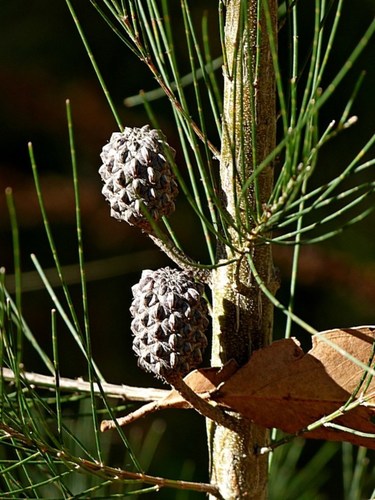
Same Family (c) Max Campbell, some rights reserved (CC BY), uploaded by Max Campbell · cc-by
Help improve the field guideSomething wrong?
Checking your Fauna account…Report a name, category, or profile issue for review.