
Plant · GBIF taxon 2891930
Beach Sheoak
Casuarina equisetifoliaAlso known as Coastal She-oak, Horsetail She-oak, Whistling Tree, Australian Pine
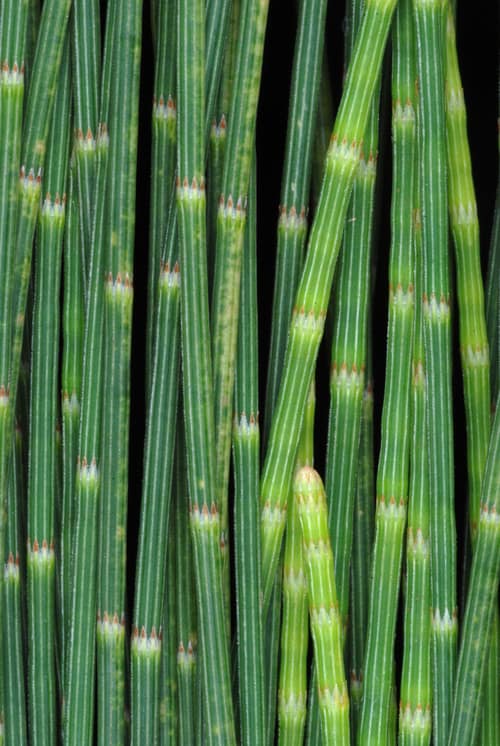
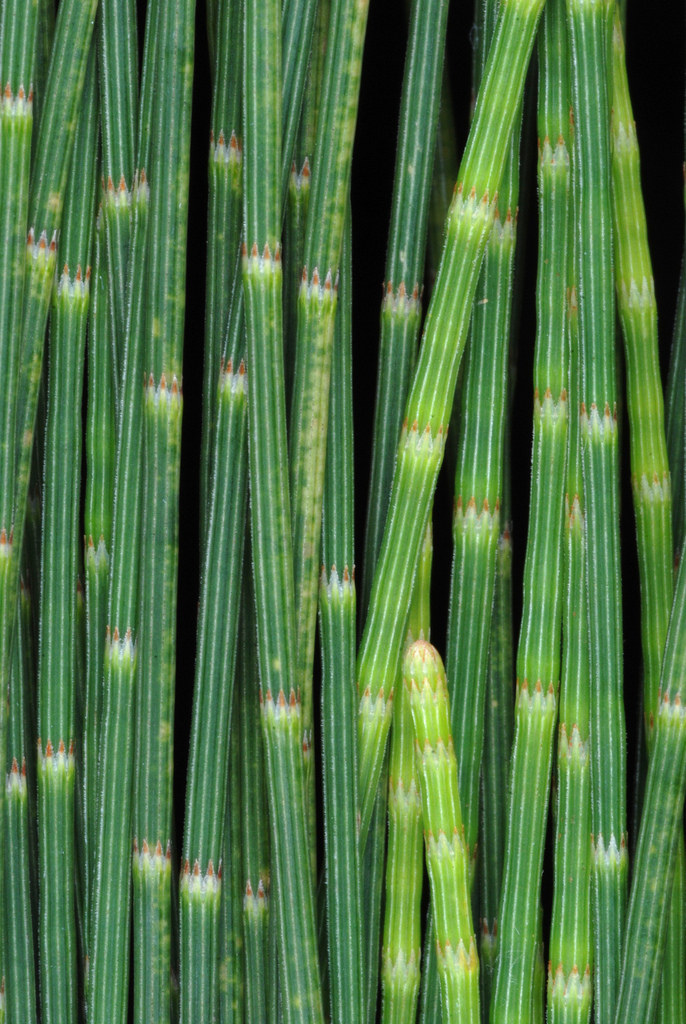
Beach sheoaks thrive along tempestuous shorelines, where their needle-like green twigs whistle eerily in coastal breezes and function in place of true leaves to minimize water loss. Underground nodules harboring symbiotic Frankia bacteria fix atmospheric nitrogen, allowing these hardy trees to colonize barren sands and stabilize shifting dunes. Fallen branchlets carpet the ground beneath them, releasing allelopathic chemicals that suppress competing seedlings and establish dense, single-species stands.
CoastalSalt-TolerantNitrogen-Fixing
—observations
—countries
—peak records
Least ConcernConservation statusIUCN Red List categoriesLCNTVUENCREWEXLeast ConcernRed List categories, explained →
Diet & prey
- Photoautotroph
Predators
- Glossy Black-Cockatoo
- Longhorn Beetle larvae
- Wood-boring moth caterpillars
ThreatsEradication efforts in invaded habitats, sea-level rise, and coastal infrastructure development
HabitatsCoastal sand dunes, beach strands, rocky coastlines, and mangrove margins
Life span40–50 years
Classification
- OrderFagales
- FamilyCasuarinaceae
- GenusCasuarina
- SpeciesCasuarina equisetifolia
Range data is not available yet.
Interaction riskLow
- Low
- Moderate
- High
- Very high
- Why interaction risk is low
- Safe to observe at a normal distance.
Responsible observation
- Branchlet Examination: Pull apart a green branchlet joint to see the tiny, ringed teeth that represent the true reduced leaves.
- Cone Identification: Look beneath female trees for woody, cone-like seed pods containing winged samara seeds.
- Wind Acoustics: Pause under the dense canopy during windy conditions to hear the distinctive whistling sound created by the fine branchlets.
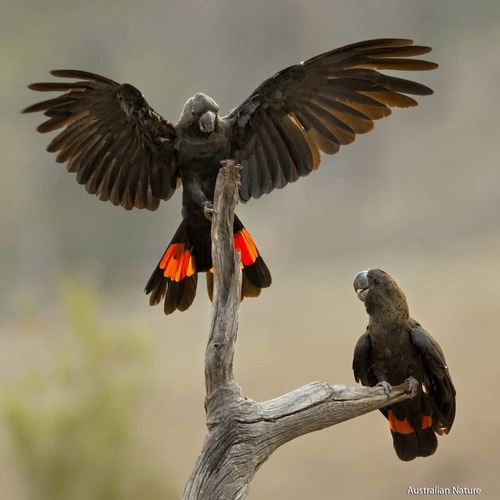
Predator (c) Bowerbirdaus, some rights reserved (CC BY-SA) · cc-by-sa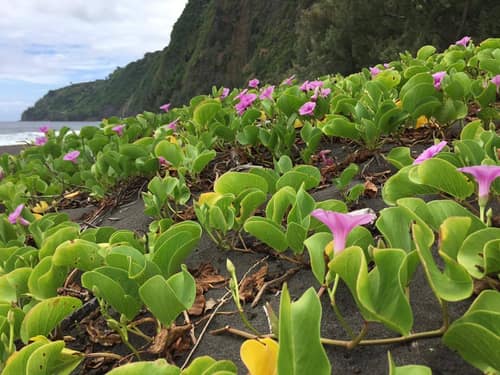
Neighbor (c) David George, some rights reserved (CC BY), uploaded by David George · cc-by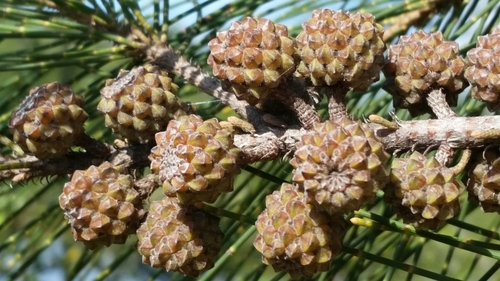
Close Relative (c) Jay Horn, some rights reserved (CC BY), uploaded by Jay Horn · cc-by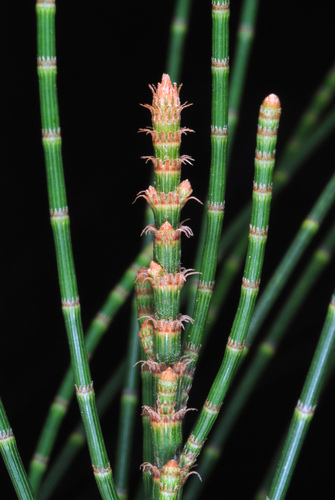
Close Relative (c) Douglas Goldman, some rights reserved (CC BY-SA), uploaded by Douglas Goldman · cc-by-sa
Help improve the field guideSomething wrong?
Checking your Fauna account…Report a name, category, or profile issue for review.