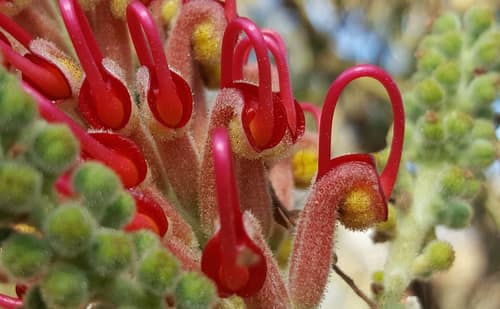
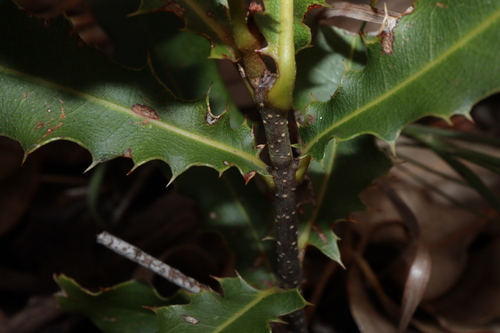
Also known as Southern Silky Oak, Silky Oak, Australian Silver Oak, Silver Oak
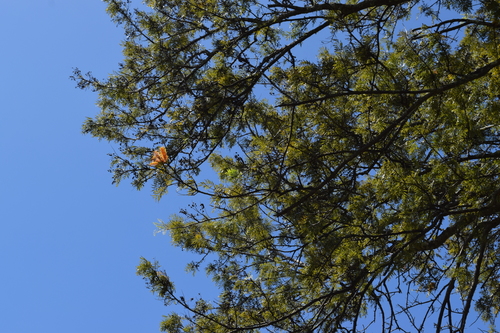
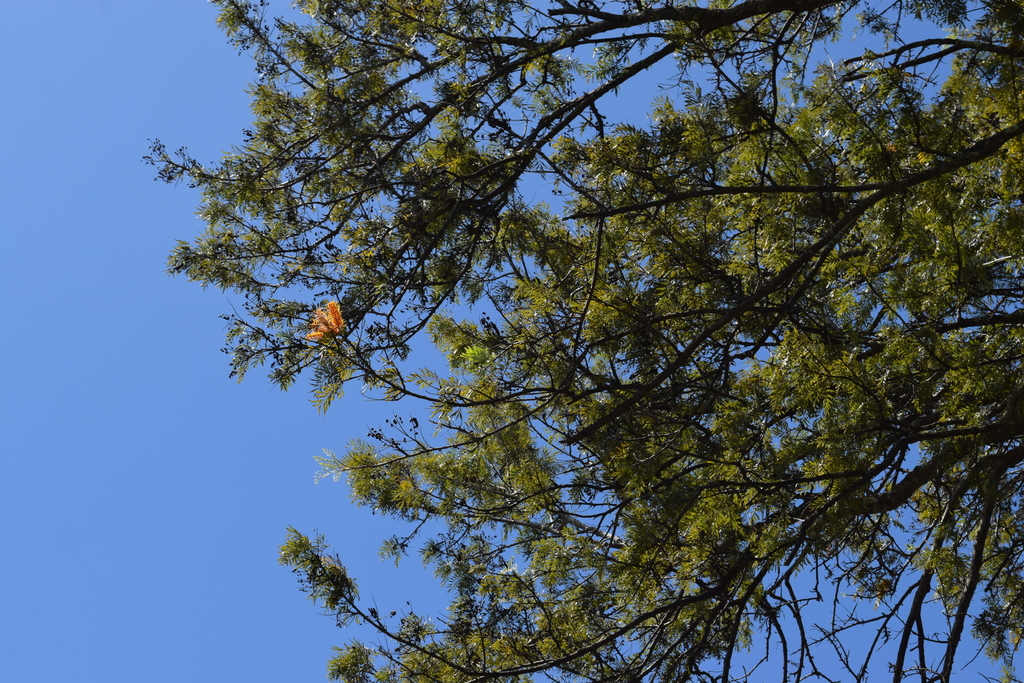
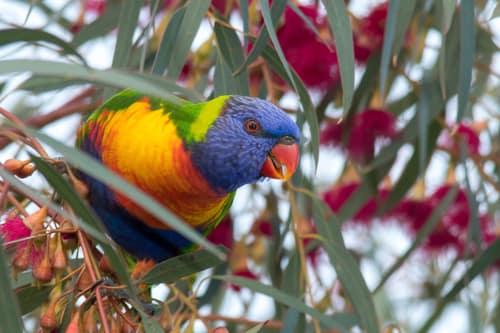
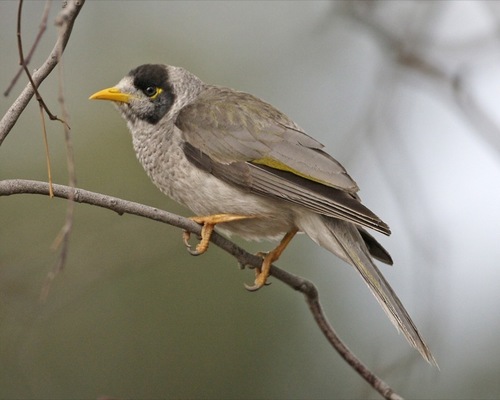
Silk oaks dominate subtropical riverbanks and rainforest margins across eastern Australia, producing massive canopies clad in fern-like, silvery-backed foliage. In spring, horizontal brush-like clusters of golden-orange blossoms erupt along the bare branches, dripping copious nectar that attracts a bustling array of honeyeaters and lorikeets. Widely cultivated globally for timber and ornamental shade, its brittle branches shed readily in high winds, and its sap contains irritating resorcinols.
ThreatsHistorical land clearing, weed invasion, and Phytophthora root rot
HabitatsSubtropical rainforest edges, riverine galleries, and dry rainforest
Life span50–100 years
Classification
OrderProteales
FamilyProteaceae
GenusGrevillea
SpeciesGrevillea robusta
Range & activity
Range data is not available yet.
Safe observation
Interaction riskLow
Low
Moderate
High
Very high
Why interaction risk is low
Foliage, sap, and sawdust contain resorcinols that can trigger severe contact dermatitis; avoid handling barehanded.
Why it is dangerous
Contains phenolic compounds called alkylresorcinols in the sap, foliage, and wood dust that cause acute contact dermatitis, redness, and itchy blisters in sensitive individuals.
How to recognize a risky encounter
Distinguished by deeply lobed fern-like leaves with silvery undersides and bright golden-orange, one-sided flower spikes.
What to do
Wear protective gloves and eye protection if trimming wood or handling green foliage, and wash exposed skin promptly with soap and water.
Responsible observation
Spring blooms: Look upward into the canopy from September to November to spot intense golden flower displays.
Skin safety: Wear gloves and long sleeves when pruning branches or sweeping fallen leaves to prevent allergic rashes.
Birdwatching: Position yourself beneath flowering trees early in the morning to observe native nectar-feeding birds.