
Plant
Pale Pink-sorrel
Oxalis incarnataAlso known as Crimson Woodsorrel
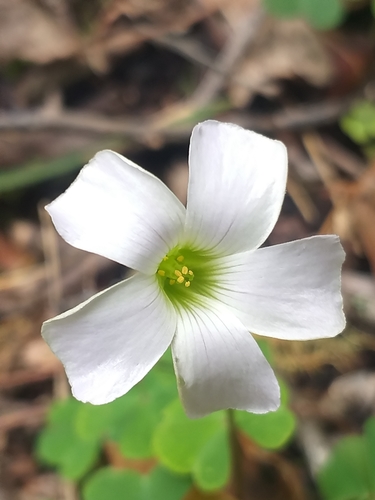
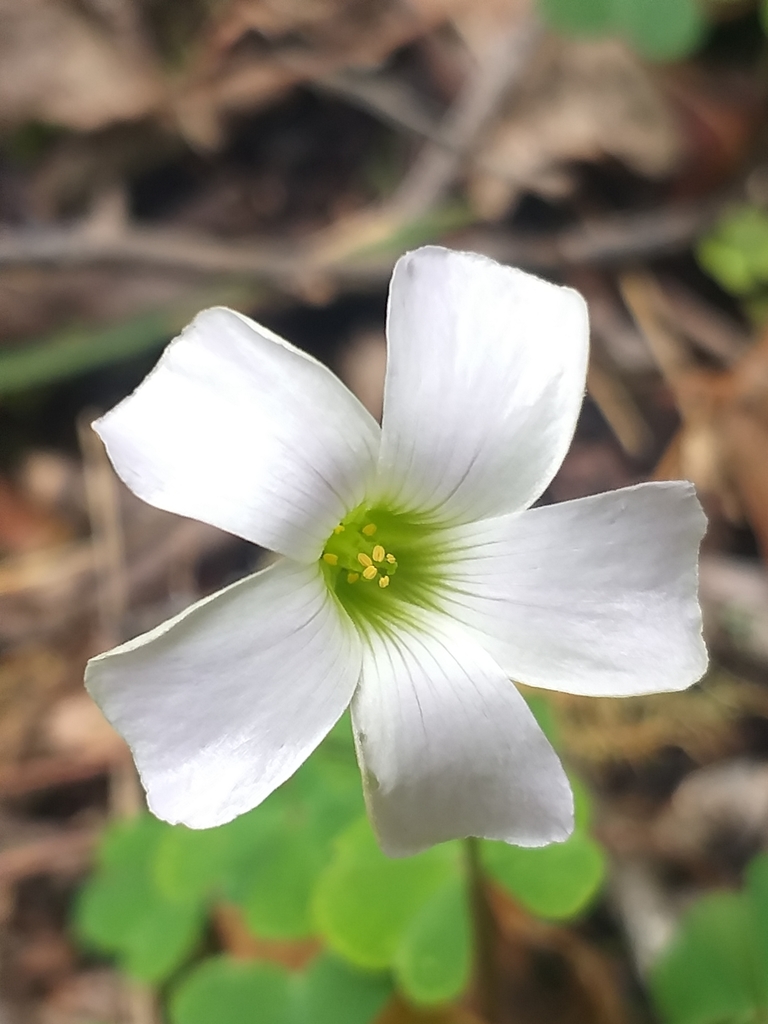
Pale pink-sorrel carpets shaded woodland floors, garden borders, and coastal scrub with delicate trifoliate foliage and solitary blossoms that blush very pale pink to white. Aboveground bulbils form in the leaf axils along slender, wiry stems, allowing colonies to spread rapidly even without setting viable seed. Native to winter-rainfall regions of southern Africa, it now thrives as an escaped ornamental across temperate zones of Australasia, western North America, and western Europe.
PerennialFloweringIntroduced
—observations
—countries
—peak records
Not EvaluatedConservation statusIUCN Red List categoriesLCNTVUENCREWEXNot Evaluated — not placed on the risk ladderRed List categories, explained →
Diet & preyPhotosynthetic
Predators
- Slugs
- Snails
- Herbivorous insects
ThreatsWeed management, herbicide application, deep cultivation
HabitatsGardens, coastal scrub, damp woodlands, disturbed roadsides
Life spanPerennial
Classification
- OrderOxalidales
- FamilyOxalidaceae
- GenusOxalis
- SpeciesOxalis incarnata
Range data is not available yet.
Interaction riskHigh
- Low
- Moderate
- High
- Very high
- Why interaction risk is high
- Contains soluble oxalates toxic to pets if ingested in quantity; safe to touch and observe.
- Why it is dangerous
- Leaves contain soluble oxalic acid salts that bind calcium in the bloodstream, risking renal distress and tremors in dogs and cats if chewed.
- How to recognize a risky encounter
- Look for clover-like leaves in bunches along wiry stems bearing tiny aerial bulbils and five-petaled blush-pink flowers.
- What to do
- Prevent curious domestic pets from grazing on patches; wash hands after weeding garden beds.
Responsible observation
- Weed control: Remove underground bulbs and stem bulbils thoroughly to prevent rapid regrowth.
- Identification: Check leaf axils for tiny aerial bulbils that distinguish it from similar sorrels.
- Observation: Visit on bright sunny mornings when the pale flowers open fully to the light.
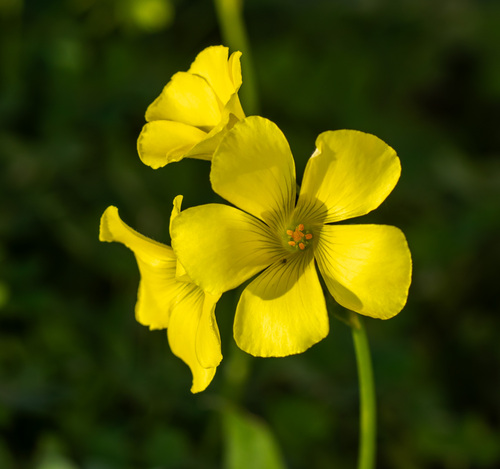
Same Genus (c) portioid, some rights reserved (CC BY), uploaded by portioid · cc-by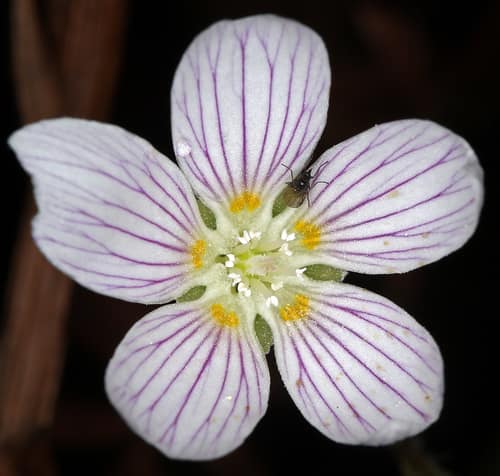
Same Genus (c) Steve Matson, some rights reserved (CC BY), uploaded by Steve Matson · cc-by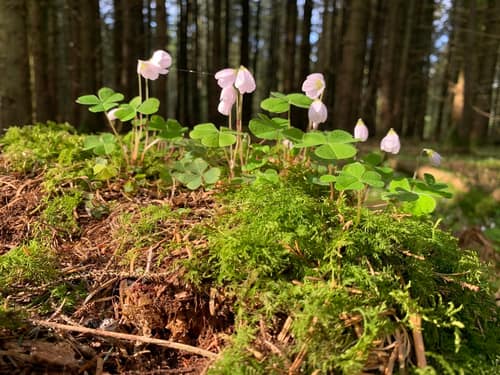
Same Genus (c) Dunverig, some rights reserved (CC BY), uploaded by Dunverig · cc-by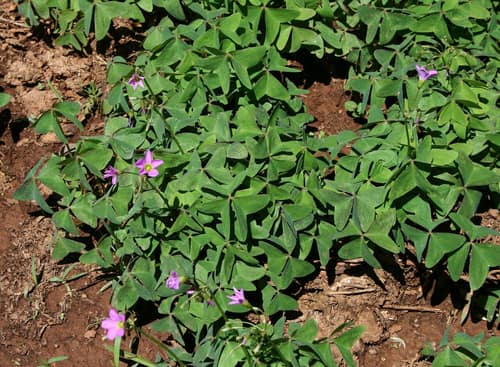
Same Genus Franz Xaver / CC BY-SA 4.0 · cc-by-sa
Help improve the field guideSomething wrong?
Checking your Fauna account…Report a name, category, or profile issue for review.