
Flower
Pink-sorrel
Oxalis articulataAlso known as Pink Wood Sorrel, Windowbox Wood-Sorrel, Sourgrass
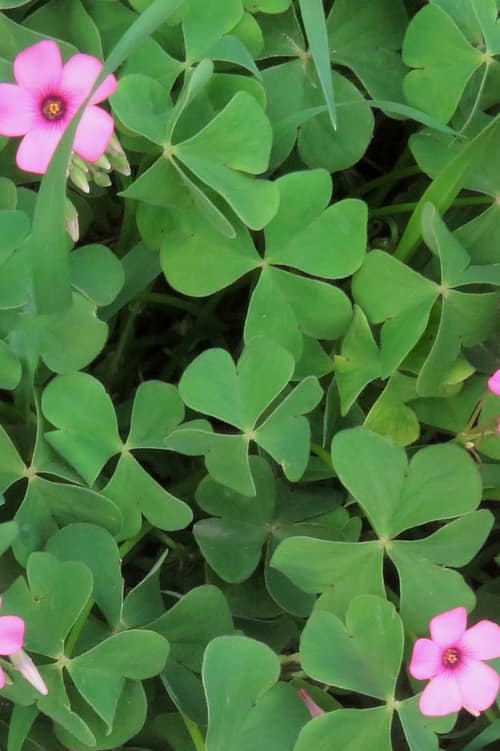
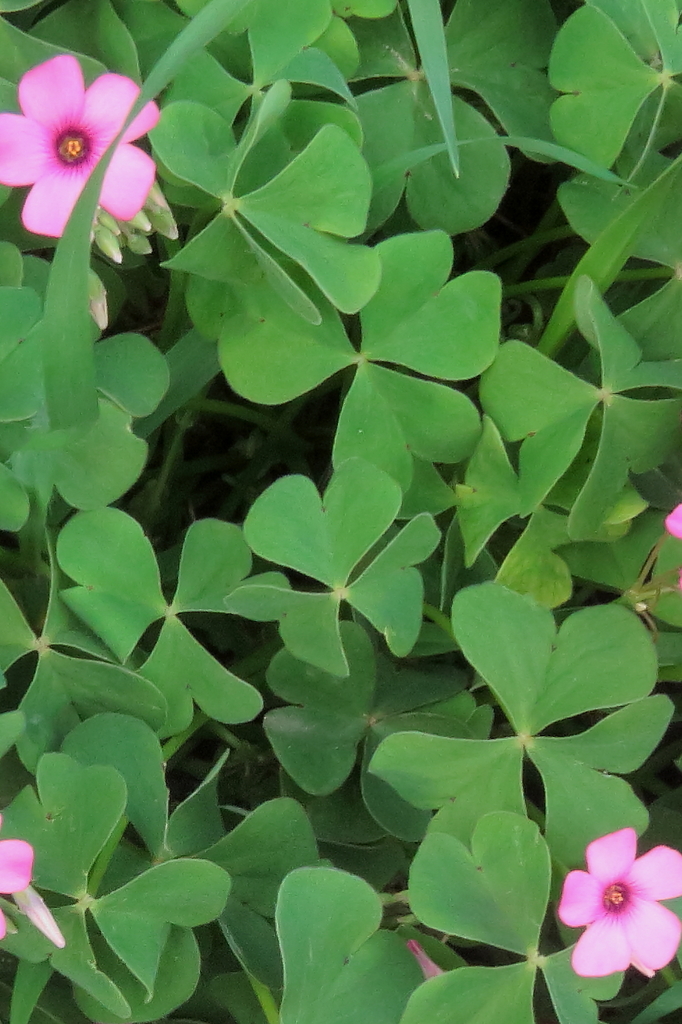
Pink-sorrel forms low, neat clumps of clover-like, three-lobed leaves topped by clusters of vivid magenta-pink flowers. Each flower closes at night and during cloudy weather, opening wide under direct sun to welcome visiting pollinators. Native to temperate South America, this resilient perennial spreads easily through swollen underground rhizomes, making it a familiar sight in garden borders, lawns, and pavement cracks around the world.
PerennialFloweringSouth American
—observations
—countries
—peak records
Not EvaluatedConservation statusIUCN Red List categoriesLCNTVUENCREWEXNot Evaluated — not placed on the risk ladderRed List categories, explained →
Diet & preyAutotrophic (Photosynthetic)
Predators
- Snails
- Slugs
- Caterpillars
ThreatsHerbicide application and intense garden cultivation
HabitatsLawns, garden borders, waste ground, grassy banks
Life spanPerennial (5–10+ years)
Classification
- OrderOxalidales
- FamilyOxalidaceae
- GenusOxalis
- SpeciesOxalis articulata
Range data is not available yet.
Interaction riskHigh
- Low
- Moderate
- High
- Very high
- Why interaction risk is high
- Contains soluble oxalates, which are toxic to pets if eaten in large quantities; do not ingest.
- Why it is dangerous
- Accumulates soluble calcium oxalates in leaves and stems, which cause oral irritation and potential kidney harm in pets.
- How to recognize a risky encounter
- Look for heart-shaped, three-part leaves paired with leafless stalks bearing clusters of bright pink blossoms.
- What to do
- Keep grazing pets away from large patches and do not eat wild oxalis based on app identification alone.
Responsible observation
- Sunlight Response: Watch the petals and leaves fold downward tightly at dusk or during overcast weather.
- Garden Management: Remove deep underground rhizomes completely if controlling its spread in cultivated beds.
- Photography Timing: Visit patches on warm, clear mornings when flowers are fully expanded.
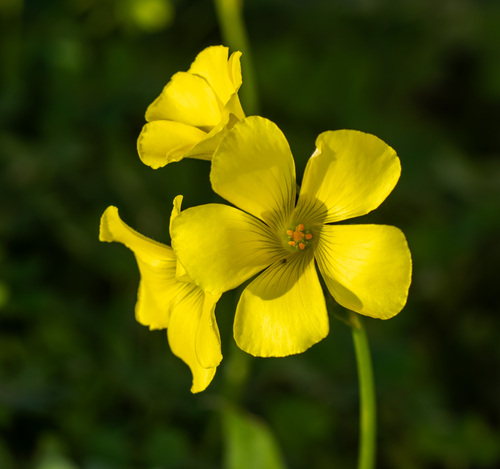
Congener (c) portioid, some rights reserved (CC BY), uploaded by portioid · cc-by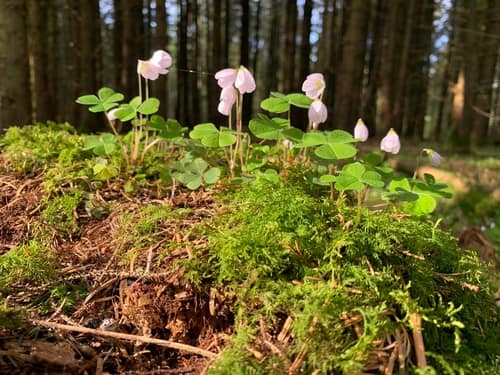
Close Relative (c) Dunverig, some rights reserved (CC BY), uploaded by Dunverig · cc-by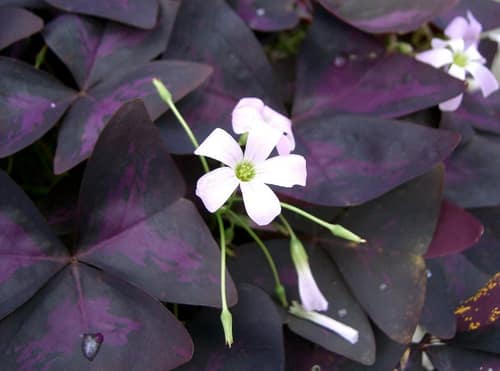
Garden Relative KENPEI / CC BY-SA 3.0 · cc-by-sa
Help improve the field guideSomething wrong?
Checking your Fauna account…Report a name, category, or profile issue for review.