
Plant · GBIF taxon 2891604
Zonal Geranium
Pelargonium hortorumAlso known as Garden Geranium, Horseshoe Geranium, Fish Geranium
Zonal geraniums feature rounded, soft-textured leaves adorned with a distinctive dark ring pattern across their surface. Dense spherical clusters of five-petaled flowers bloom in vibrant shades of red, pink, salmon, and white throughout warm weather. When bruised, the foliage releases a pungent, spicy aroma that deters many garden pests.
FloweringOrnamentalAromatic
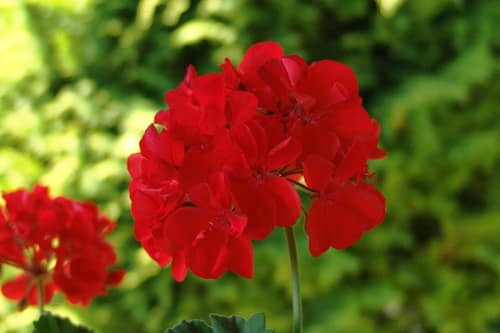
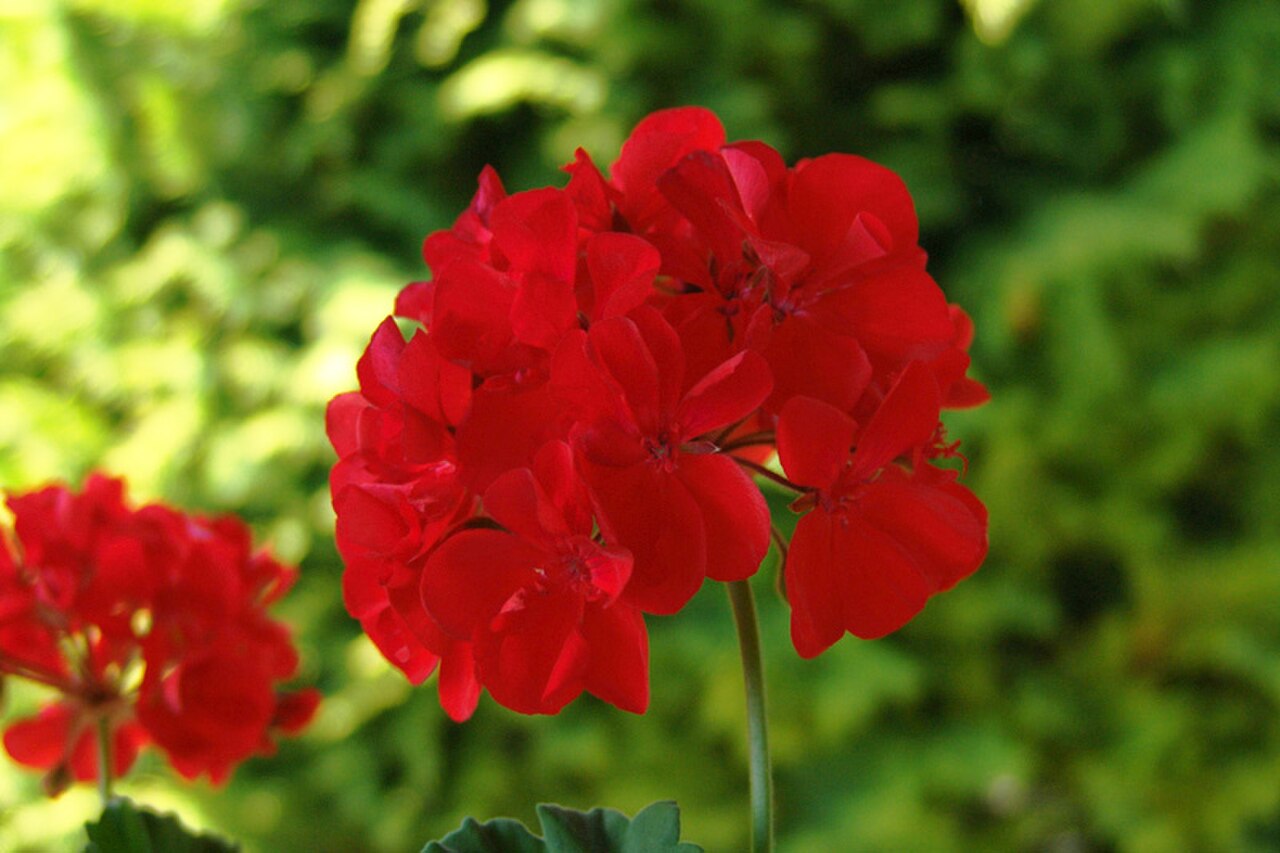
Licensed referenceWikimedia Commons / CC BY-SA 3.0 · cc-by-sa
—observations
—countries
—peak records
Not EvaluatedConservation statusIUCN Red List categoriesLCNTVUENCREWEXNot Evaluated — not placed on the risk ladderRed List categories, explained →
Diet & prey
- Sunlight
- Water
- Soil Nutrients
Predators
- Slugs
- Caterpillars
- Aphids
ThreatsFreezing temperatures, root rot, aphids, caterpillars
HabitatsGardens, flowerbeds, sunny balconies, greenhouses
Life spanPerennial (grown as annual in cold regions)
Size / weightNot available
Classification
- OrderGeraniales
- FamilyGeraniaceae
- GenusPelargonium
- SpeciesPelargonium hortorum
Range data is not available yet.
Interaction riskHigh
- Low
- Moderate
- High
- Very high
- Why interaction risk is high
- Toxic to dogs and cats if ingested; keep plants out of reach of curious pets.
- Why it is dangerous
- Foliage contains geraniol and linalool compounds that cause vomiting, depression, and loss of appetite in cats and dogs.
- How to recognize a risky encounter
- Recognized by rounded scalloped leaves marked with a dark central ring and rounded heads of colorful flowers.
- What to do
- Place pots out of reach of household pets and rinse hands after pruning foliage.
Responsible observation
- Deadheading: Snip spent flower stems near the base to promote continuous blooming.
- Sunlight exposure: Position in bright, direct light for six hours daily to produce maximum flower heads.
- Watering routine: Allow the top inch of soil to dry out between waterings to prevent root decay.
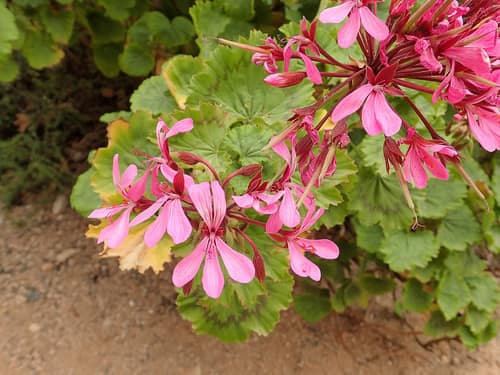
Parent Species Peter Warren / CC0 · cc0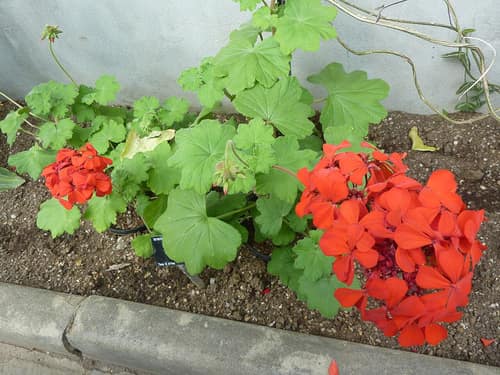
Parent Species Magnus Manske / CC BY-SA 3.0 · cc-by-sa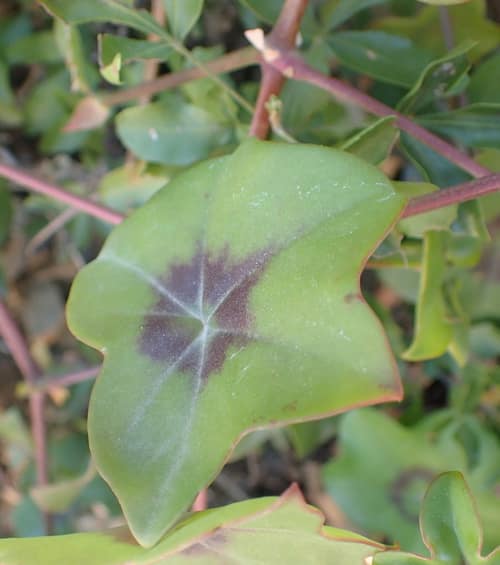
Close Relative (c) Nicola van Berkel, some rights reserved (CC BY-SA), uploaded by Nicola van Berkel · cc-by-sa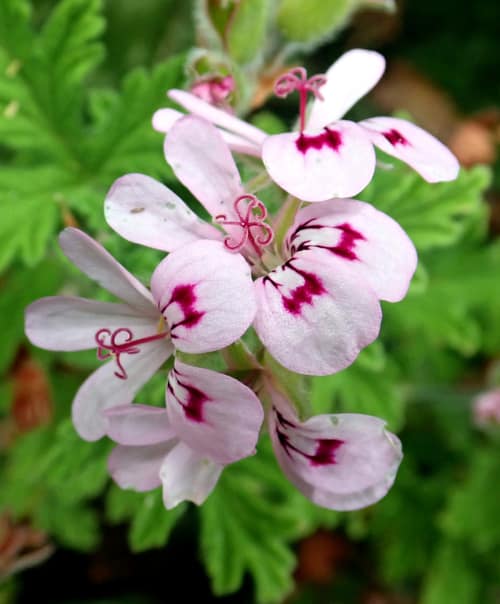
Close Relative no rights reserved, uploaded by Peter de Lange · cc0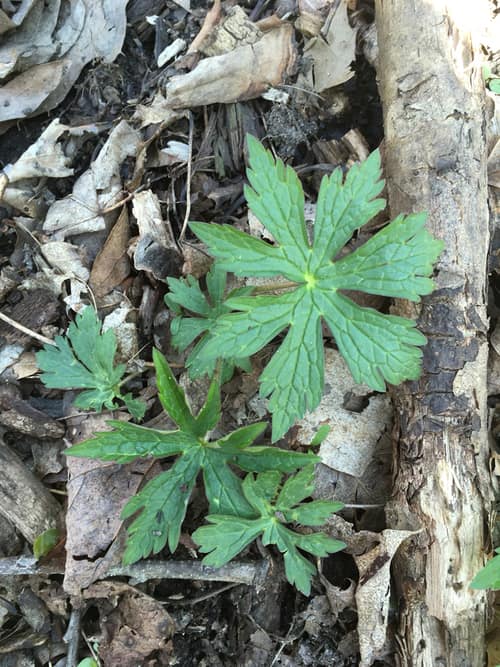
Distant Relative no rights reserved, uploaded by Erica Krimmel · cc0
Help improve the field guideSomething wrong?
Checking your Fauna account…Report a name, category, or profile issue for review.