
Flower
Meadow Crane's-bill
Geranium pratenseAlso known as Meadow Geranium
Meadow crane's-bill paints traditional hay meadows and roadsides in vibrant shades of violet-blue, offering an abundant nectar source for long-tongued bumblebees. Deeply lobed, palmately divided leaves form lush mounds that turn rich crimson and bronze before winter dormancy. Once the blooms fade, the distinctive beak-like seed capsules curl back violently like miniature springs, flinging ripe seeds meters away.
PerennialWildflowerPollinator Magnet
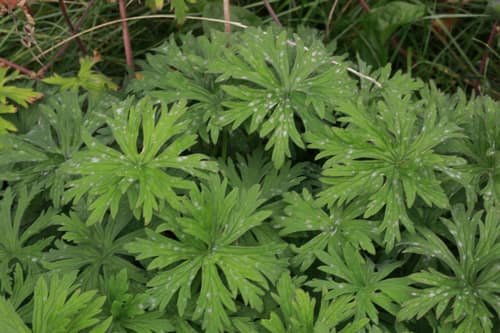
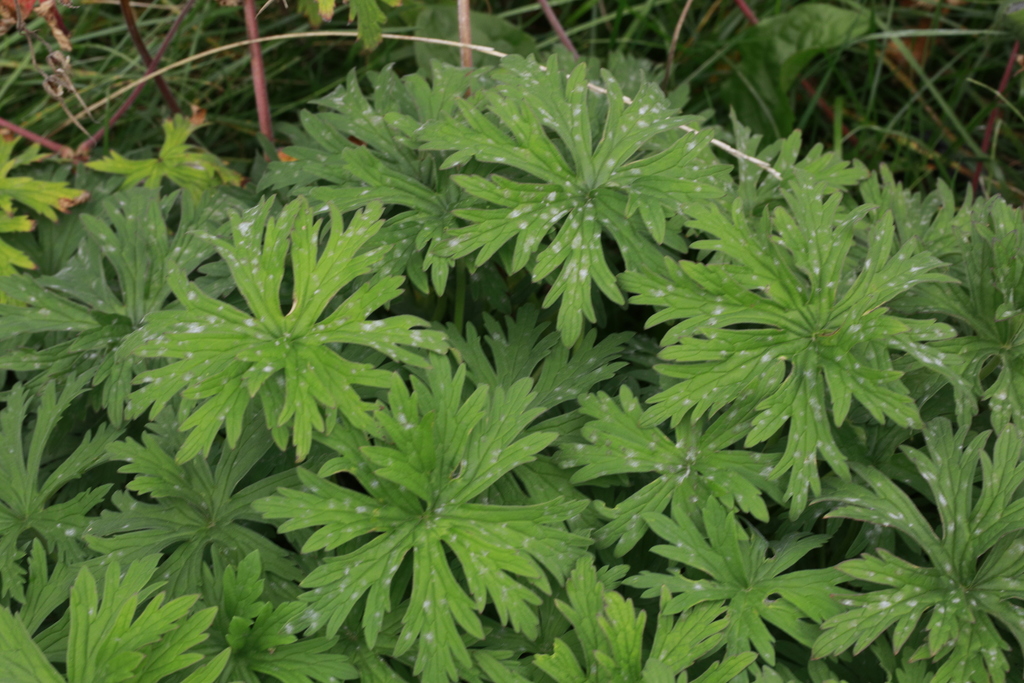
—observations
—countries
—peak records
Least ConcernConservation statusIUCN Red List categoriesLCNTVUENCREWEXLeast ConcernRed List categories, explained →
Diet & preySunlight, Water, Soil nutrients
Predators
- Slugs and snails
- Roe deer
- Aphids
ThreatsAgricultural intensification, frequent mowing, loss of traditional hay meadows
HabitatsMeadows, roadside verges, grasslands, open scrub, woodland edges
Life spanPerennial (5–15 years)
Classification
- OrderGeraniales
- FamilyGeraniaceae
- GenusGeranium
- SpeciesGeranium pratense
Range data is not available yet.
Interaction riskLow
- Low
- Moderate
- High
- Very high
- Why interaction risk is low
- Safe to observe at a normal distance.
Responsible observation
- Flowering Window: Seek out blooms from June to August in uncut roadside banks and pastures.
- Seed Watching: Inspect spent flower heads in late summer to spot the crane-beak seed pods springing open.
- Pollinator Photography: Focus on blooming clumps on warm mornings when wild bees visit heavily.
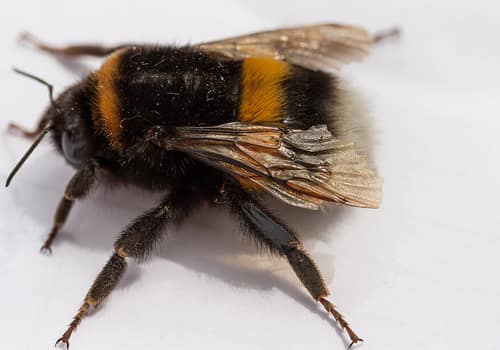
Pollinator Marco Almbauer / CC0 · cc0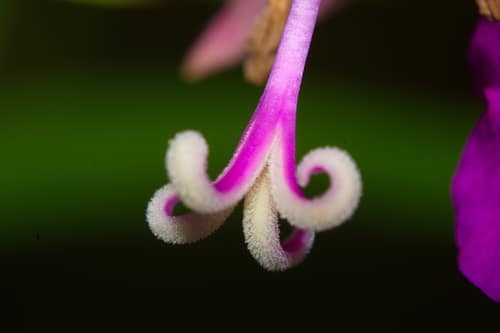
Close Relative (c) Timur Samkharadze, some rights reserved (CC BY-SA) · cc-by-sa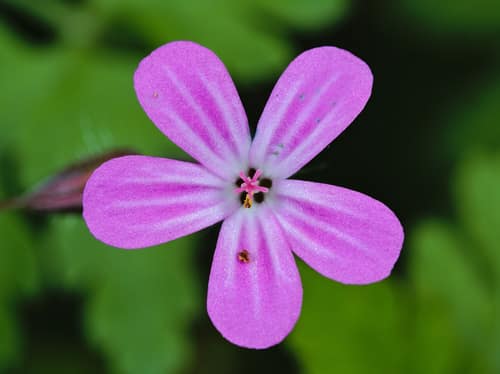
Close Relative (c) Gilles San Martin, some rights reserved (CC BY-SA), uploaded by Gilles San Martin · cc-by-sa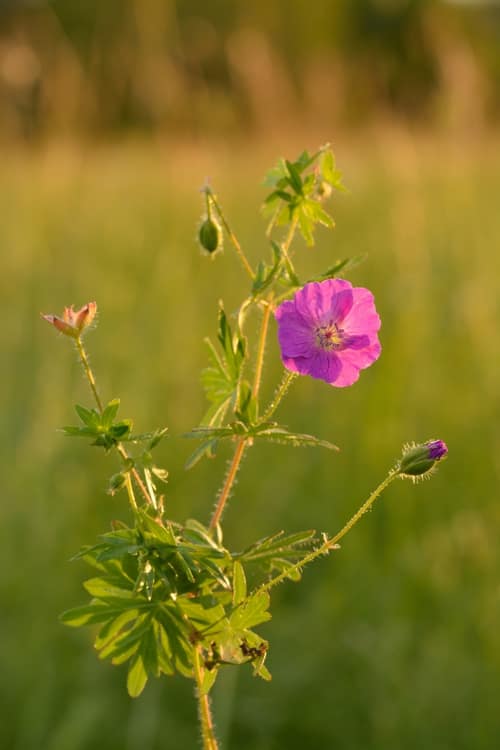
Close Relative (c) Ivar Leidus, some rights reserved (CC BY-SA) · cc-by-sa
Help improve the field guideSomething wrong?
Checking your Fauna account…Report a name, category, or profile issue for review.