
Flower
Garden Nasturtium
Tropaeolum majusAlso known as Indian Cress, Monk's Cress
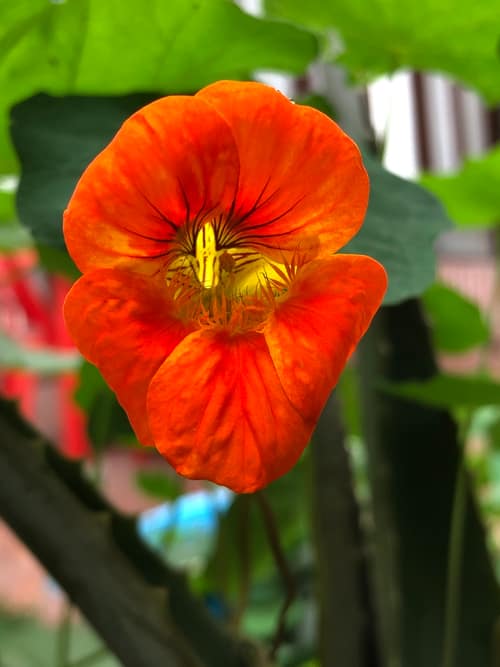
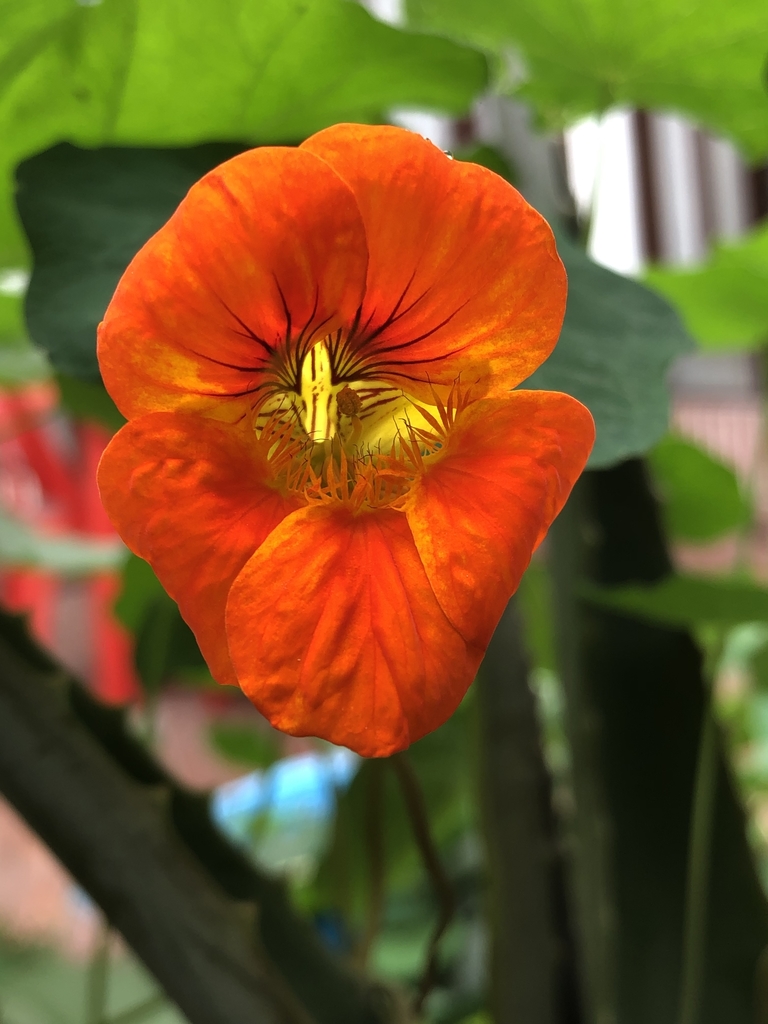
Garden nasturtiums produce distinctive umbrella-shaped, peltate leaves with a hydrophobic surface that beads water into shimmering droplets. Long floral nectar spurs reward bumblebees and hummingbirds, while pungent glucosinolates deter many generalist herbivores. Scrambling vigorously over garden beds, stone walls, and coastal slopes, they have naturalized widely across mild temperate and subtropical regions.
FloweringClimbingPollinator-Friendly
—observations
—countries
—peak records
Not EvaluatedConservation statusIUCN Red List categoriesLCNTVUENCREWEXNot Evaluated — not placed on the risk ladderRed List categories, explained →
Diet & preyAutotrophic (photosynthetic)
Predators
- Large White Butterfly Caterpillars
- Aphids
- Slugs and Snails
ThreatsSevere frost, prolonged drought, excessive shade
HabitatsCultivated gardens, roadsides, disturbed waste ground, coastal scrub
Life span1–3 years (annual in frosty climates, short-lived perennial elsewhere)
Classification
- OrderBrassicales
- FamilyTropaeolaceae
- GenusTropaeolum
- SpeciesTropaeolum majus
Range data is not available yet.
Interaction riskLow
- Low
- Moderate
- High
- Very high
- Why interaction risk is low
- Safe to observe at a normal distance.
Responsible observation
- Water Droplets: Spritz leaves with water to observe the extreme hydrophobic lotus effect on the foliage.
- Trap Cropping: Look for clusters of small yellow aphids or butterfly eggs underneath older leaves.
- Flower Structure: Examine the rear of the bloom to spot the elongated hollow spur where nectar collects.
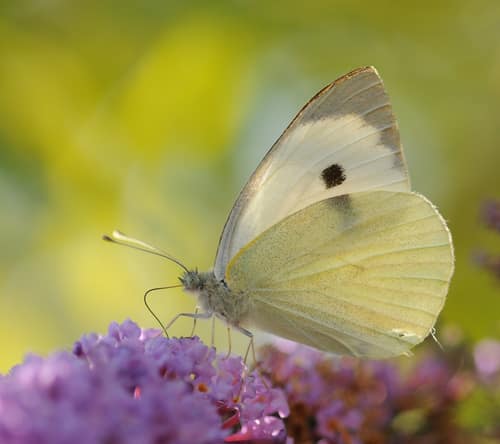
Host Plant (c) Thomas Bresson, some rights reserved (CC BY) · cc-by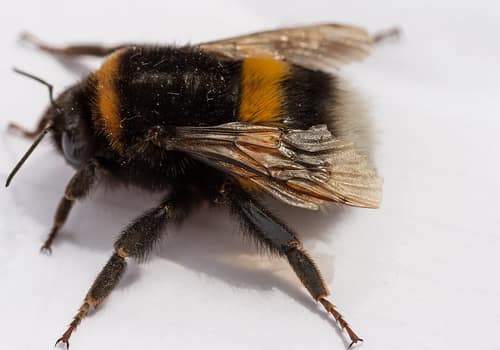
Pollinator Marco Almbauer / CC0 · cc0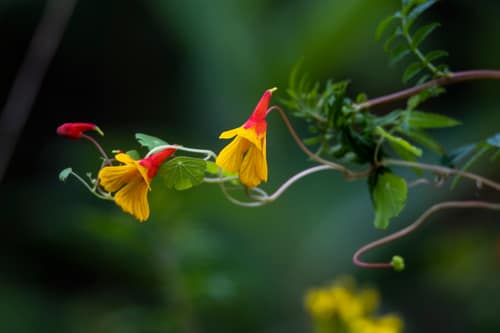
Close Relative (c) David F. Belmonte, some rights reserved (CC BY), uploaded by David F. Belmonte · cc-by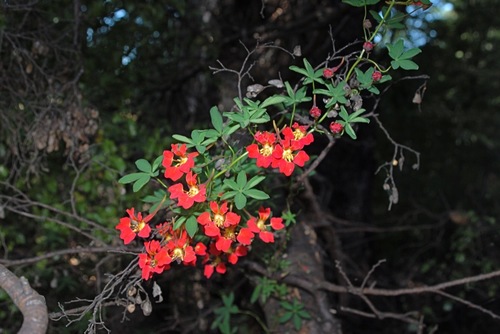
Close Relative (c) Jon Sullivan, some rights reserved (CC BY) · cc-by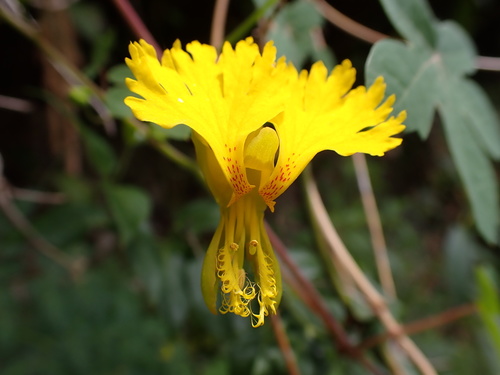
Close Relative (c) Skjold Søndergaard, some rights reserved (CC BY), uploaded by Skjold Søndergaard · cc-by
Help improve the field guideSomething wrong?
Checking your Fauna account…Report a name, category, or profile issue for review.