
Plant · GBIF taxon 2889785
Indian Sandalwood
Santalum albumAlso known as White Sandalwood, Chandana, Sandal
Indian Sandalwood is a long lived evergreen tree that acts as a root hemiparasite, attaching specialized root structures called haustoria to neighboring host plants to extract water and nutrients. Its small, four-petaled flowers transition from pale yellow to deep red as they mature, giving way to blackish purple fleshy fruits that feed resident forest birds. Highly revered for its richly aromatic heartwood, intense over-exploitation for global essential oil markets has driven wild stands into sharp decline across its native range.
TreeFragrantHemiparasite
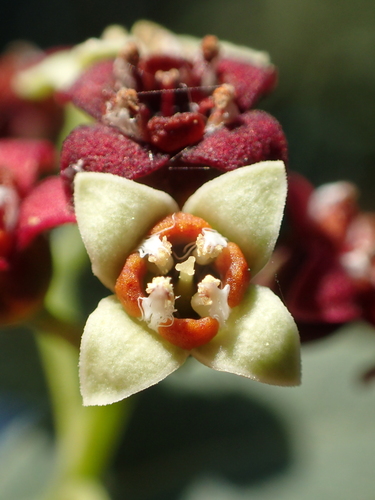
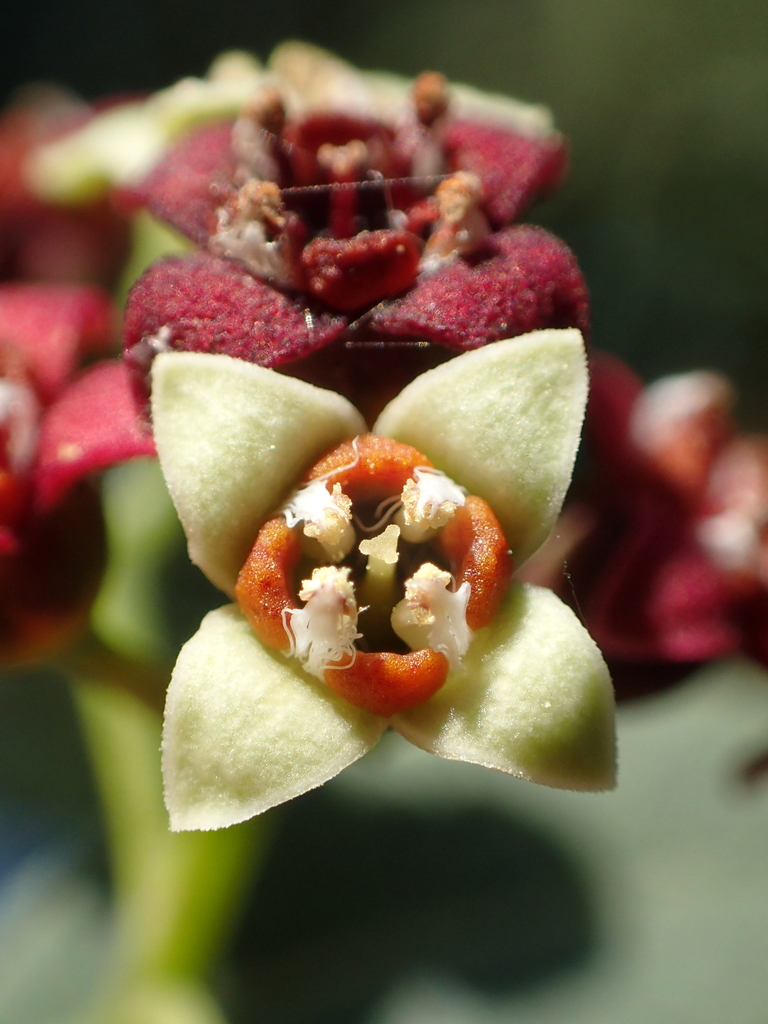
—observations
—countries
—peak records
VulnerableConservation statusIUCN Red List categoriesLCNTVUENCREWEXVulnerableRed List categories, explained →
Diet & prey
- Host tree roots
- Soil minerals
- Water
Predators
- Browsing herbivores
- Livestock
- Frugivorous birds
ThreatsIllegal harvesting, over-exploitation, sandalwood spike disease, habitat destruction
HabitatsDry deciduous forest, scrublands, rocky hillsides
Life spanUp to 100 years
Size / weightNot available
Classification
- OrderSantalales
- FamilySantalaceae
- GenusSantalum
- SpeciesSantalum album
Range data is not available yet.
Interaction riskLow
- Low
- Moderate
- High
- Very high
- Why interaction risk is low
- Wild berries have toxic look-alikes; never eat based on app identification alone.
- What to notice
- Look for leathery opposite leaves, reddish bark, and small flowers alongside neighboring host trees.
- Support conservation
- Keep location details private when reporting wild trees to help prevent illegal logging.
Responsible observation
- Observation: Look for the small clusters of flowers that change from yellow to dark red with age.
- Host Plants: Notice nearby trees, as young sandalwood saplings rely on host roots to thrive.
 Image unavailable
Host Plant Co-Occurring Tree 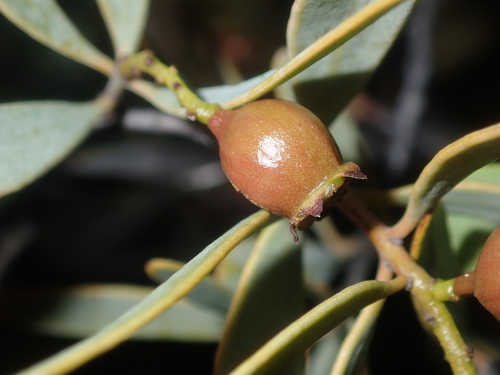
Close Relative (c) Thomas Mesaglio, some rights reserved (CC BY), uploaded by Thomas Mesaglio · cc-byClose Relative
Help improve the field guideSomething wrong?
Checking your Fauna account…Report a name, category, or profile issue for review.