
Flower
Redflower Buckwheat
Eriogonum grandeAlso known as Island Buckwheat, Red-Flowered Buckwheat
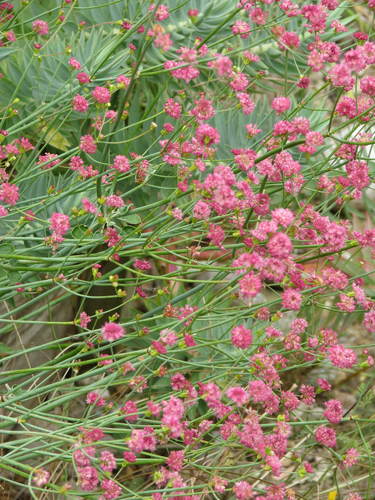
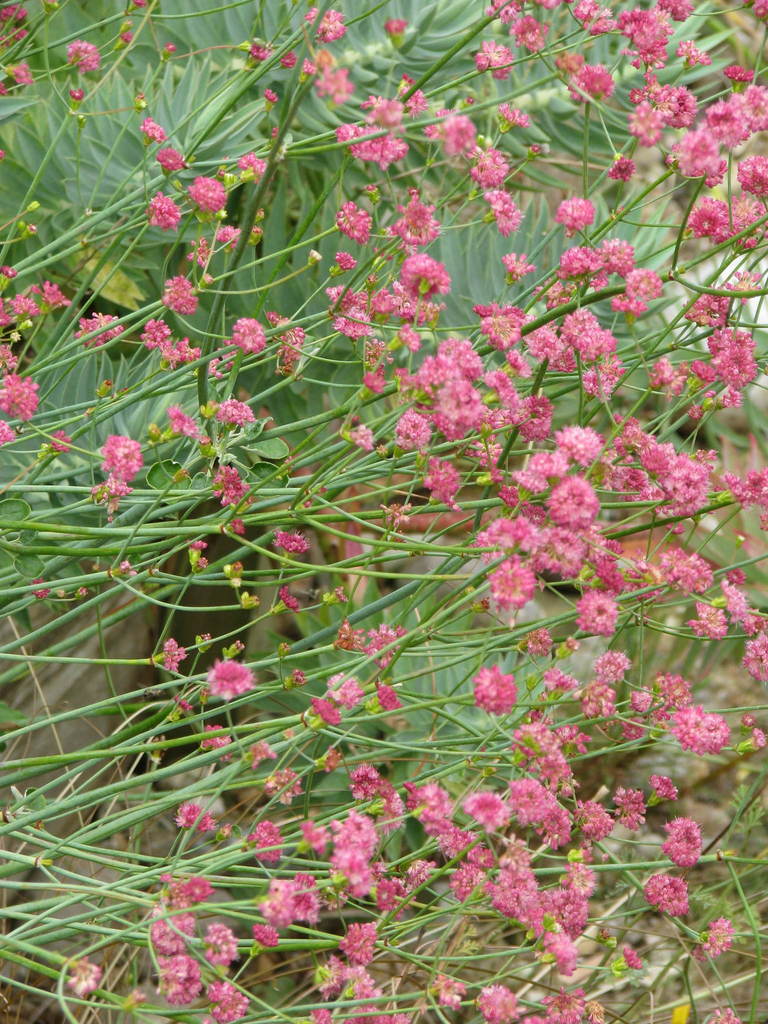
Redflower buckwheat forms low, dense mounds of gray-green, wavy-margined leaves along wind-swept coastal bluffs. During late spring and summer, tall leafless stalks rise above the basal mat to display rounded clusters of vibrant pink to dark magenta blossoms. These long-lasting floral heads provide a critical nectar station for endemic island pollinators during dry summer months.
PerennialIsland NativeDrought-Tolerant
—observations
—countries
—peak records
Not EvaluatedConservation statusIUCN Red List categoriesLCNTVUENCREWEXNot Evaluated — not placed on the risk ladderRed List categories, explained →
Diet & preyPhotosynthetic
Predators
- Feral Goats
- Island Deer Mice
- Caterpillars
ThreatsNon-native weeds, historic overgrazing, habitat degradation
HabitatsCoastal bluffs, island chaparral, rocky coastal scrub
Life span5–15 years
Classification
- OrderCaryophyllales
- FamilyPolygonaceae
- GenusEriogonum
- SpeciesEriogonum grande
Range data is not available yet.
Interaction riskLow
- Low
- Moderate
- High
- Very high
- Why interaction risk is low
- Safe to observe at a normal distance.
- What to notice
- Recognizable by low mats of wavy-edged basal leaves and tall stalks topped with pink flower clusters.
- Support conservation
- Remain on designated trails and avoid stepping on cliffside plant mats while observing.
Responsible observation
- Viewing Time: Look for vibrant pink flower heads peaking between May and September.
- Habitat Spotting: Search steep, sunny coastal bluffs and rocky slopes on the Channel Islands.
- Photography Tip: Get low to capture the contrast between wavy gray leaves and bright pink blossoms.
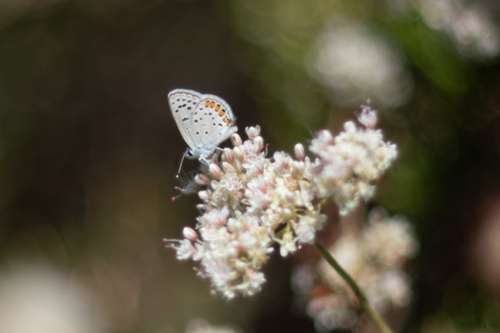
Pollinator no rights reserved · cc0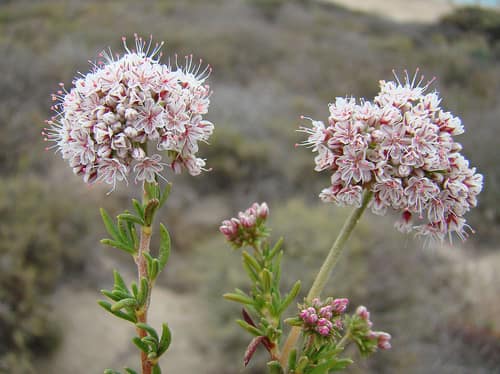
Close Relative (c) Dick Culbert, some rights reserved (CC BY) · cc-by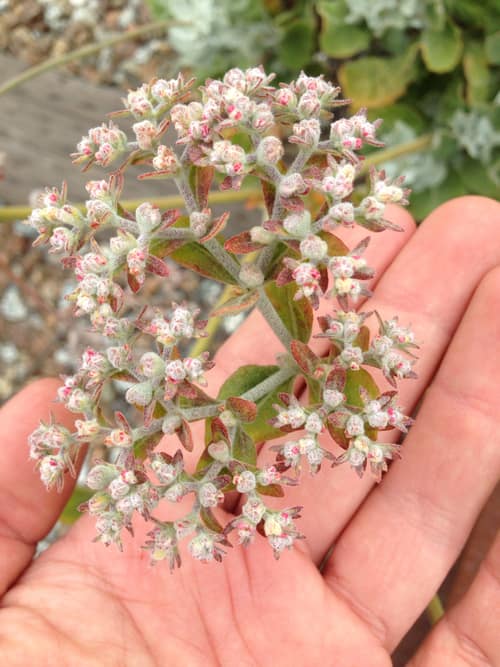
Close Relative (c) Ken-ichi Ueda, some rights reserved (CC BY), uploaded by Ken-ichi Ueda · cc-by
Help improve the field guideSomething wrong?
Checking your Fauna account…Report a name, category, or profile issue for review.