
Plant
Seaside Buckwheat
Eriogonum latifoliumAlso known as Coast Buckwheat, Broadleaf Wild Buckwheat
Seaside buckwheat forms low, sprawling mounds of woolly, gray-green leaves that hug the wind-swept bluffs of the Pacific coast. From late spring through autumn, sturdy stalks support dense, spherical clusters of tiny white-to-pink flowers that turn a rich rust-brown as they dry. These resilient plants anchor fragile coastal dunes and serve as a vital lifeline for native pollinators facing harsh maritime conditions.
CoastalDrought-TolerantButterfly Host
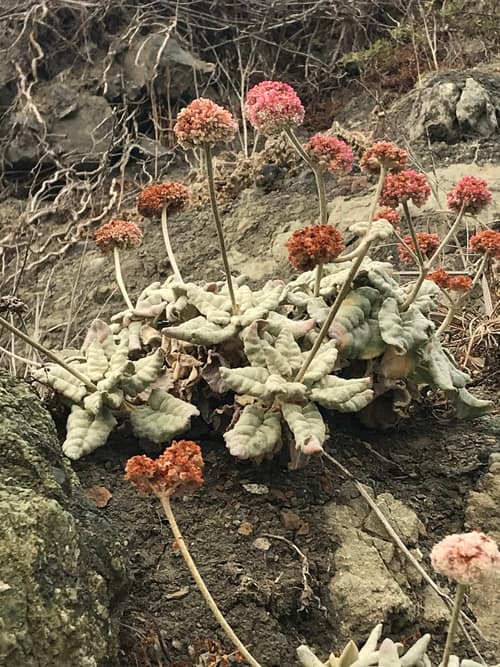
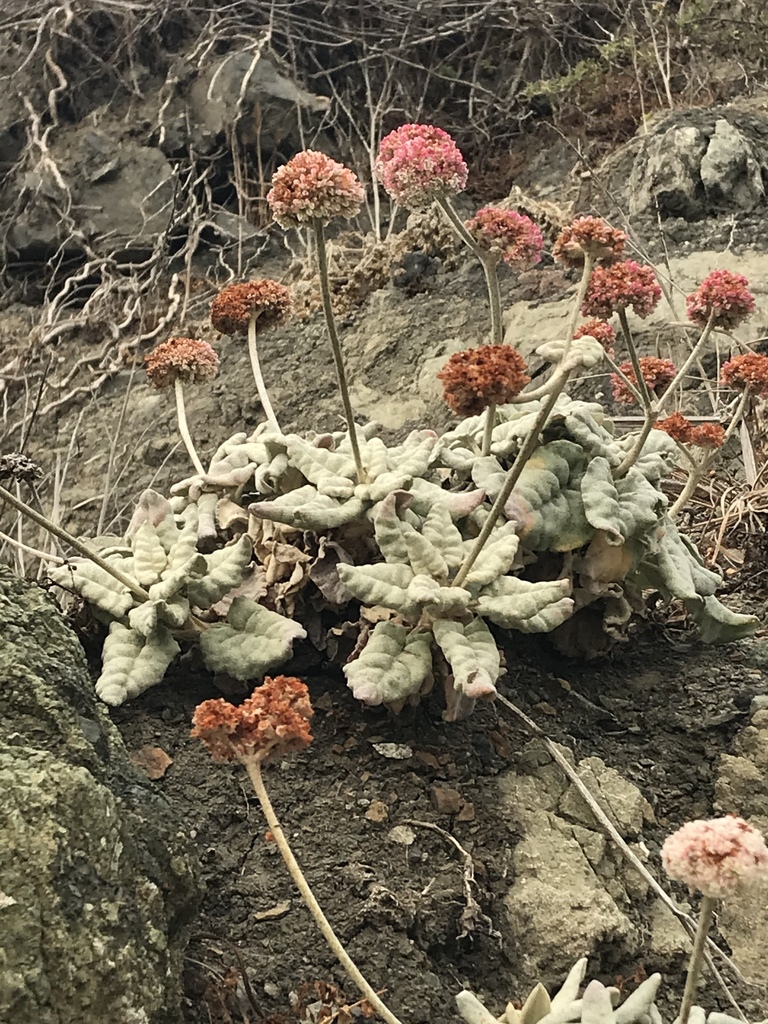
—observations
—countries
—peak records
Least ConcernConservation statusIUCN Red List categoriesLCNTVUENCREWEXLeast ConcernRed List categories, explained →
Diet & preyPhotosynthetic (Autotrophic)
Predators
- Black-tailed deer
- Caterpillars
- Snails
ThreatsCoastal development, invasive beach grasses, and heavy foot traffic
HabitatsCoastal bluffs, sand dunes, and coastal scrub
Life spanPerennial (typically 5 to 10 years)
Classification
- FamilyPolygonaceae
- SpeciesEriogonum latifolium
Range data is not available yet.
Interaction riskLow
- Low
- Moderate
- High
- Very high
- Why interaction risk is low
- Safe to observe at a normal distance.
Responsible observation
- Look for butterflies: Check the rounded flower heads during sunny afternoons to spot rare native butterflies.
- Avoid trampling: Stay on designated coastal trails to protect the fragile dune soils where these plants root.
- Observe the leaves: Touch the undersides of the leaves gently to feel the dense, woolly hairs that prevent water loss.
 Image unavailable
Symbiont 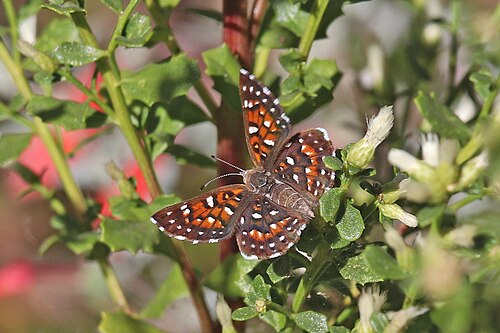
Symbiont Joseph C Boone / CC BY-SA 4.0 · cc-by-sa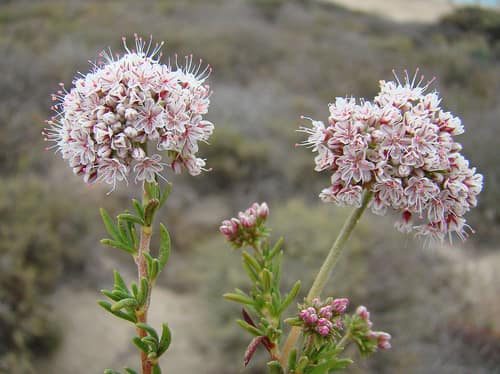
Close Relative (c) Dick Culbert, some rights reserved (CC BY) · cc-by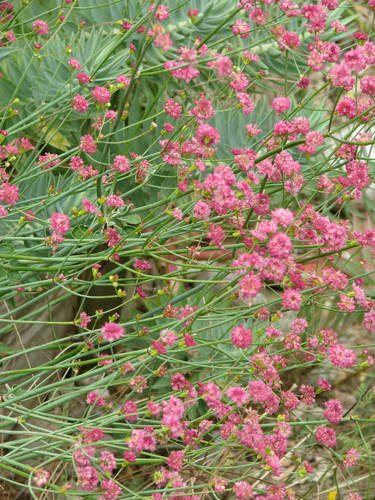
Close Relative (c) peganum, some rights reserved (CC BY-SA) · cc-by-sa
Help improve the field guideSomething wrong?
Checking your Fauna account…Report a name, category, or profile issue for review.