
Flower · GBIF taxon 2889198
Pinkweed
Persicaria pensylvanicaAlso known as Pennsylvania Smartweed, Common Smartweed, Pennsylvania Knotweed
Pennsylvania smartweed brightens damp fields and riverbanks with dense, cylindrical clusters of rosy pink blossoms from midsummer into autumn. Its smooth, jointed stems feature swollen nodes wrapped in papery sheaths called ocreae, an unmistakable signature of the buckwheat family. The abundant seeds produced by these adaptable annuals serve as a vital late-season food source for migrating waterfowl and songbirds.
AnnualPink FlowersWetland
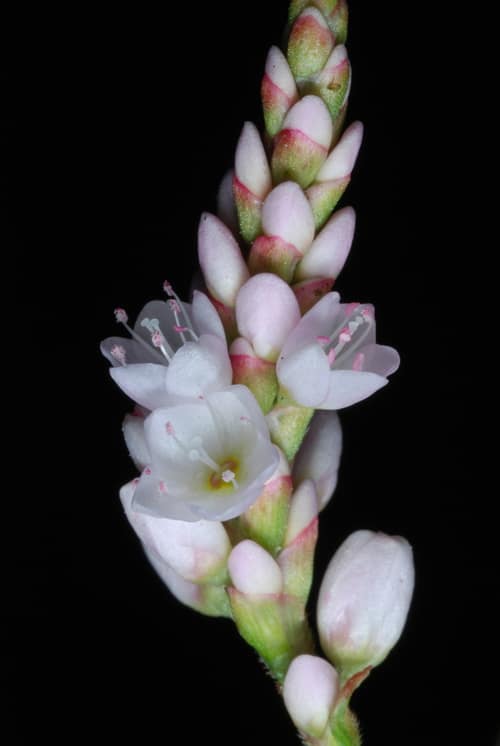
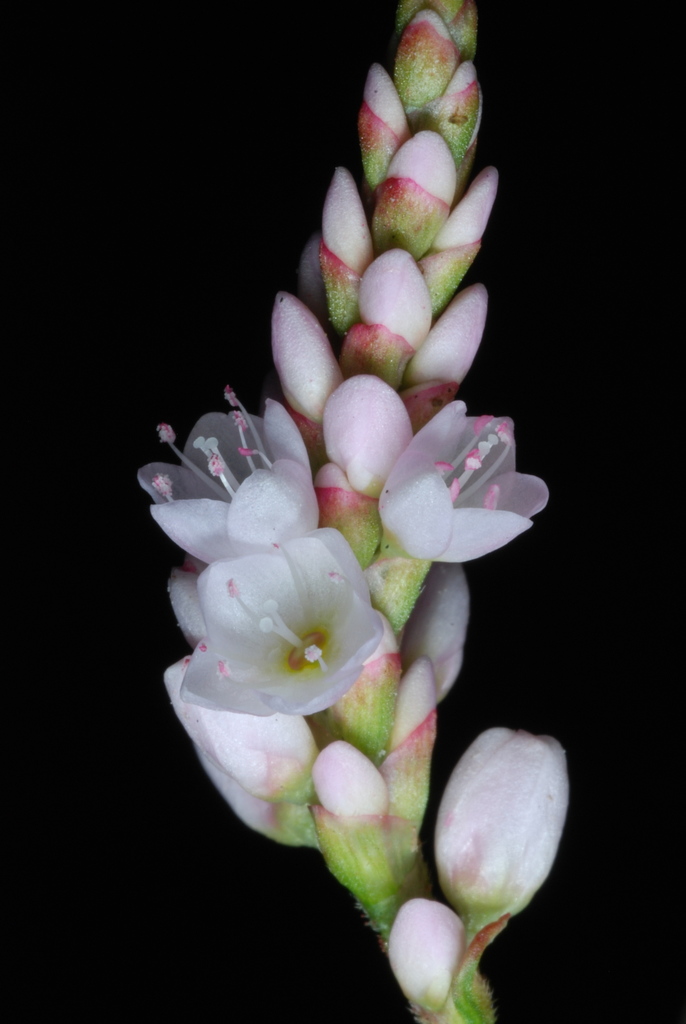 1 / 7
1 / 7—observations
—countries
—peak records
Least ConcernConservation statusIUCN Red List categoriesLCNTVUENCREWEXLeast ConcernRed List categories, explained →
Diet & prey
- Autotrophic
Predators
- Waterfowl
- Songbirds
- Herbivorous Insects
ThreatsAgricultural herbicide spraying, drainage of wetland habitat
HabitatsWetlands, damp meadows, riverbanks, ditches, disturbed soils
Life spanAnnual
Size / weightNot available
Classification
- OrderCaryophyllales
- FamilyPolygonaceae
- GenusPersicaria
- SpeciesPersicaria pensylvanica
Range data is not available yet.
Interaction riskLow
- Low
- Moderate
- High
- Very high
- Why interaction risk is low
- Safe to observe at a normal distance.
Responsible observation
- Location: Look for bright pink spikes along muddy pond edges, roadside ditches, and damp soil.
- Identification: Check the stem joints for smooth papery sheaths lacking long fringe hairs.
- Wildlife Watching: Observe late in summer when seed-hungry birds flock to the dense flower heads.
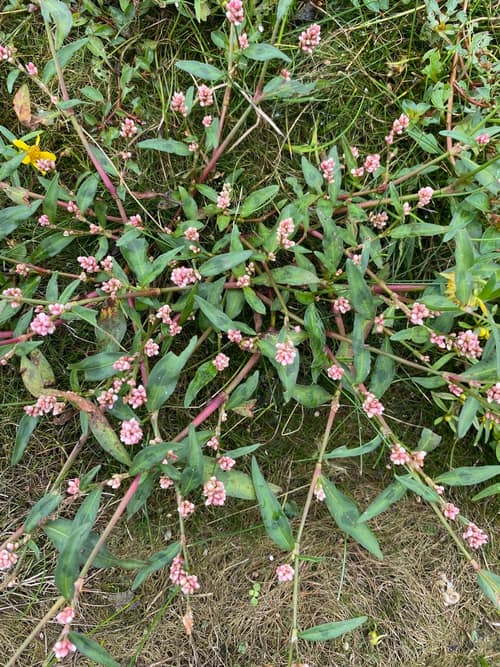
Close Relative no rights reserved, uploaded by Pam Martin · cc0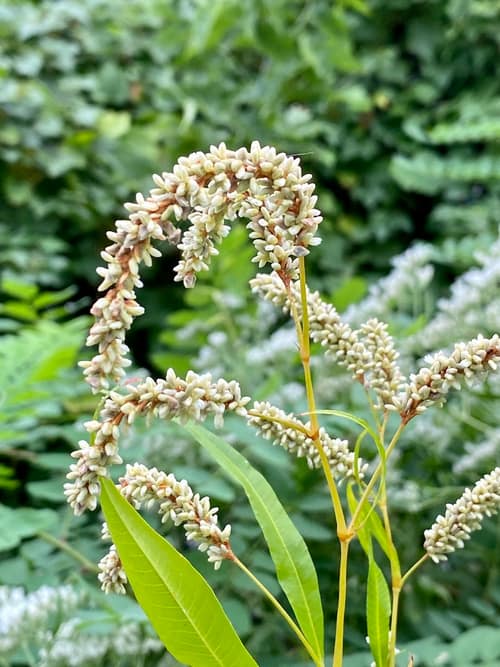
Close Relative (c) Sandy Wolkenberg, some rights reserved (CC BY), uploaded by Sandy Wolkenberg · cc-by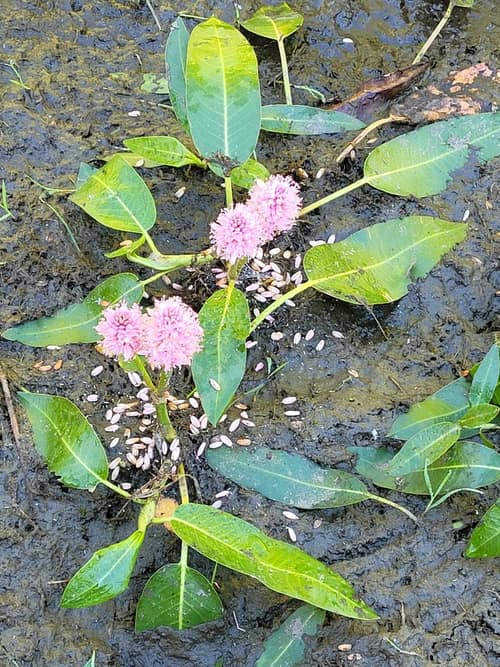
Close Relative (c) Kevin Krebs, some rights reserved (CC BY), uploaded by Kevin Krebs · cc-by
Help improve the field guideSomething wrong?
Checking your Fauna account…Report a name, category, or profile issue for review.