
Plant
Scrambling Pohuehue
Muehlenbeckia complexaAlso known as Wire Vine, Mattress Vine, Maidenhair Vine, Creeping Wire Vine
Scrambling pohuehue weaves tough, dark, wiry stems into springy, interlocking cushions that anchor coastal dunes against driving ocean winds. Its tiny, rounded leaves often drop during harsh droughts, while small, petal-less flowers develop into distinctive swollen, translucent white cups encasing glossy black seeds. These tangled thickets serve as living armor for coastlines and create predator-proof microhabitats vital to native lizards and insects.
ClimberCoastalDune Stabilizer
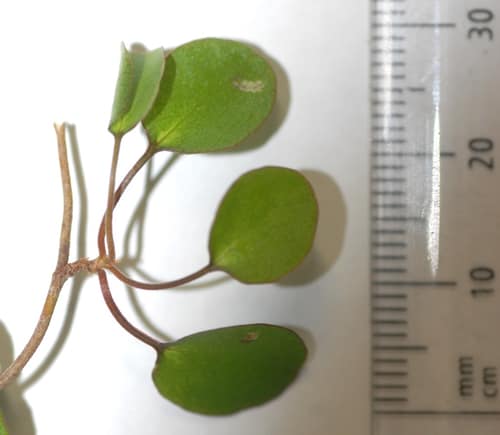
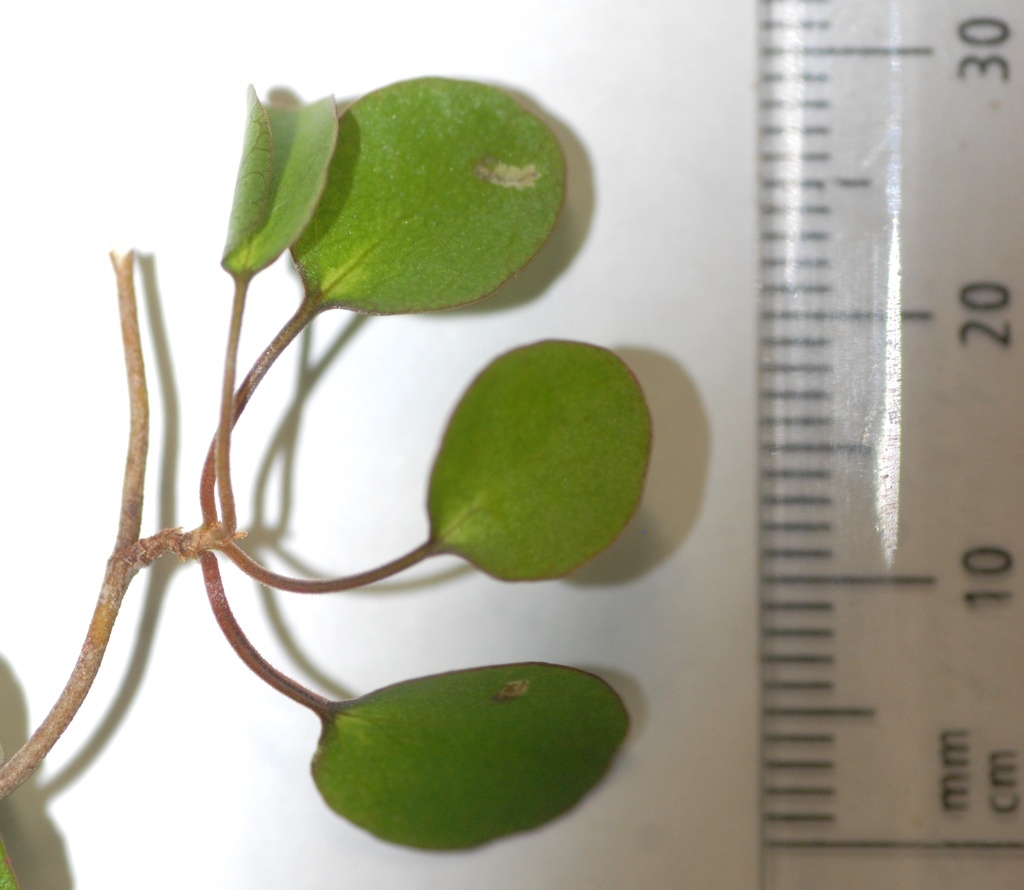
—observations
—countries
—peak records
Not EvaluatedConservation statusIUCN Red List categoriesLCNTVUENCREWEXNot Evaluated — not placed on the risk ladderRed List categories, explained →
Diet & preyAutotroph (photosynthesis)
Predators
- Coastal copper butterfly caterpillars
- Brushtail possums
- Rabbits
ThreatsCoastal development, invasive exotic grasses, herbicide application
HabitatsCoastal sand dunes, rocky headlands, cliff faces, lowland scrub margins
Life span15–30 years
Classification
- OrderCaryophyllales
- FamilyPolygonaceae
- GenusMuehlenbeckia
- SpeciesMuehlenbeckia complexa
Range data is not available yet.
Interaction riskLow
- Low
- Moderate
- High
- Very high
- Why interaction risk is low
- Wild berries have toxic look-alikes; never eat based on app identification alone.
Responsible observation
- Coastal Restoration: Plant along exposed bluffs and dunes to control shifting sands and erosion.
- Reptile Watching: Scan sunlit outer stems on quiet mornings for basking native skinks.
- Garden Containment: Trim spreading runner vines regularly to avoid smothering smaller garden plants.
 Image unavailable
Pollinator 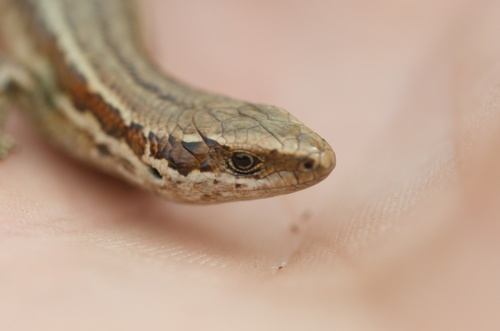
Frequent Companion (c) Jon Sullivan, some rights reserved (CC BY) · cc-by
Close Relative (c) John Barkla, some rights reserved (CC BY), uploaded by John Barkla · cc-byClose Relative
Help improve the field guideSomething wrong?
Checking your Fauna account…Report a name, category, or profile issue for review.