
Plant · GBIF taxon 2888831
Seaside Grape
Coccoloba uviferaAlso known as Seagrape, Baygrape
Seaside grape anchors tropical coastlines with dense thickets of thick, rounded leaves that feature striking reddish veins when young. Drooping clusters of small fragrant flowers develop into long racemes of round, grape-like fruit that shift from green to deep purple as they mature. Highly resilient against severe salt spray and sandy winds, this woody plant serves as a vital natural defense against coastal shore erosion.
CoastalSalt-TolerantFlowering
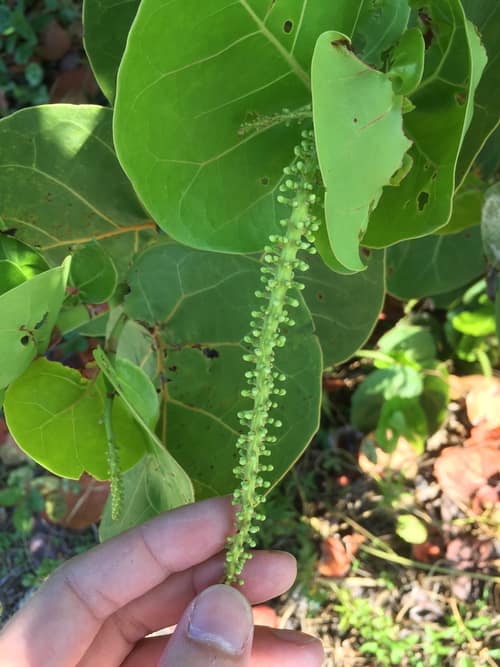
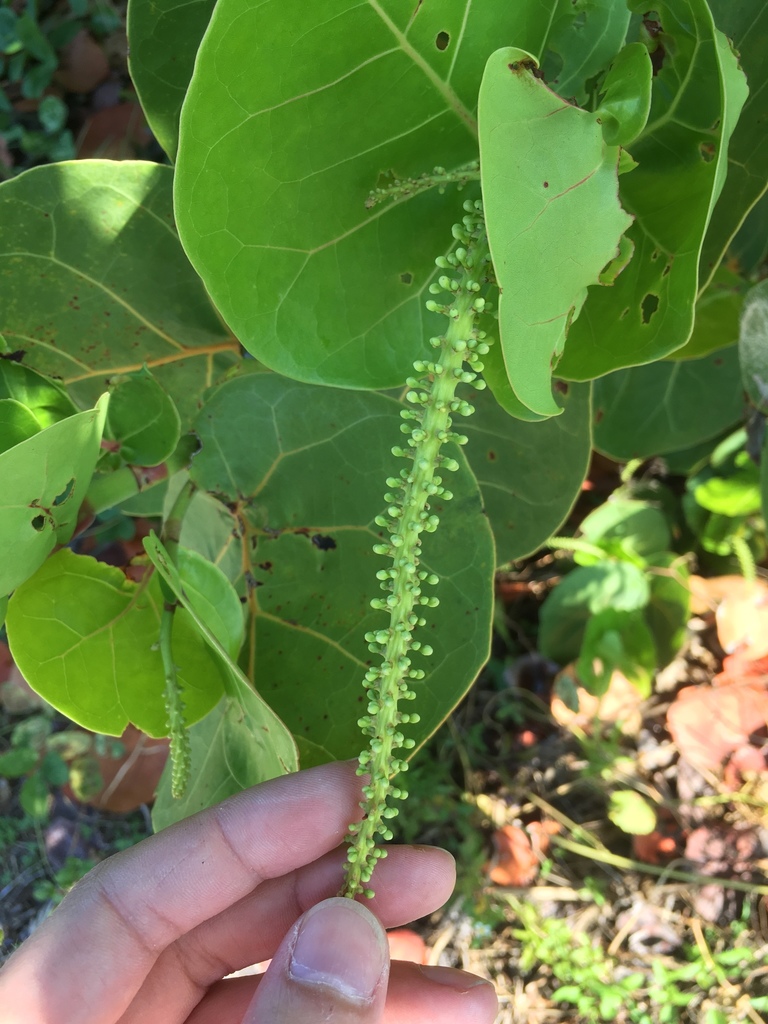 1 / 7
1 / 7—observations
—countries
—peak records
Least ConcernConservation statusIUCN Red List categoriesLCNTVUENCREWEXLeast ConcernRed List categories, explained →
Diet & prey
- Autotrophic (Photosynthetic)
Predators
- Iguanas
- Land Crabs
- Frugivorous Birds
ThreatsCoastal development, shoreline erosion, habitat degradation
HabitatsCoastal sand dunes, tropical beaches, rocky shores
Life span50–100 years
Size / weightNot available
Classification
- OrderCaryophyllales
- FamilyPolygonaceae
- GenusCoccoloba
- SpeciesCoccoloba uvifera
Range data is not available yet.
Interaction riskLow
- Low
- Moderate
- High
- Very high
- Why interaction risk is low
- Wild berries have toxic look-alikes; never eat wild fruit based on app identification alone.
Responsible observation
- Leaf Inspection: Look for thick, leather-like circular leaves with bright red veins on fresh foliage.
- Fruit Observation: Check for long, heavy clusters of green-to-purple fruits hanging from branch tips.
- Coastal Spotting: Search for low sprawling shrub forms on exposed dunes or tall tree forms in sheltered hammocks.
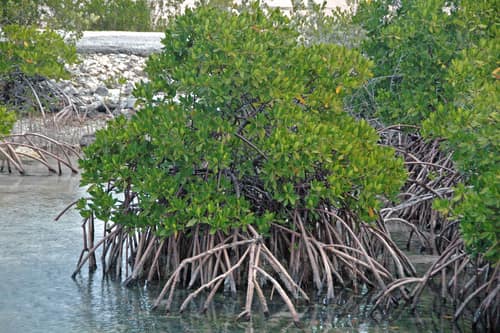
Coastal Companion (c) James St. John, some rights reserved (CC BY) · cc-by
Dune Companion (c) Lauren Gillett, some rights reserved (CC BY), uploaded by Lauren Gillett · cc-by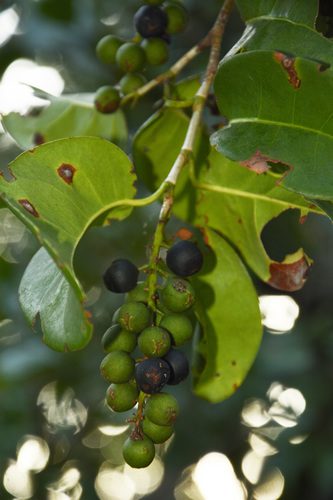
Close Relative (c) Siddarth Machado, some rights reserved (CC BY), uploaded by Siddarth Machado · cc-by
Help improve the field guideSomething wrong?
Checking your Fauna account…Report a name, category, or profile issue for review.