
Plant
Devil's-bit Scabious
Succisa pratensisAlso known as Devil's-bit, Blue Scabious
Devil's-bit scabious paints damp meadows and heathlands in deep blue-violet hues throughout late summer and autumn. Its rounded flower heads feature tight clusters of identical small florets, attracting dozens of bee, butterfly, and hoverfly species when other floral nectar sources begin to fade. Beneath the soil, its thick black rootstock abruptly terminates as if bitten off, giving rise to centuries of folklore.
WildflowerFloweringPerennial
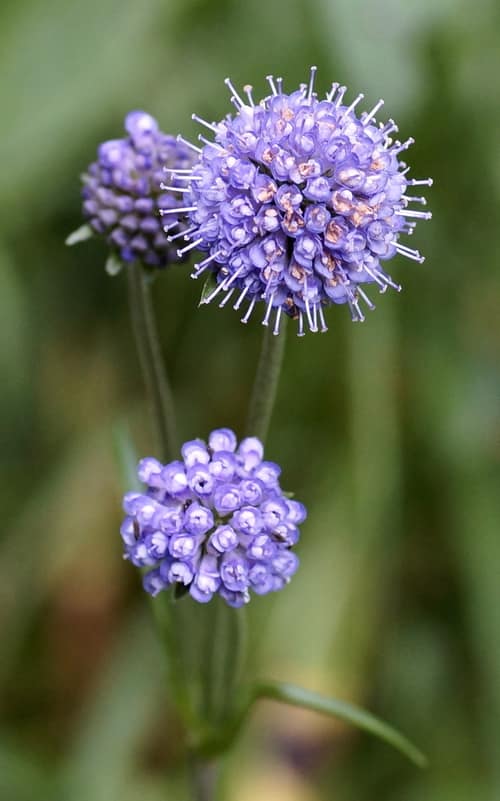
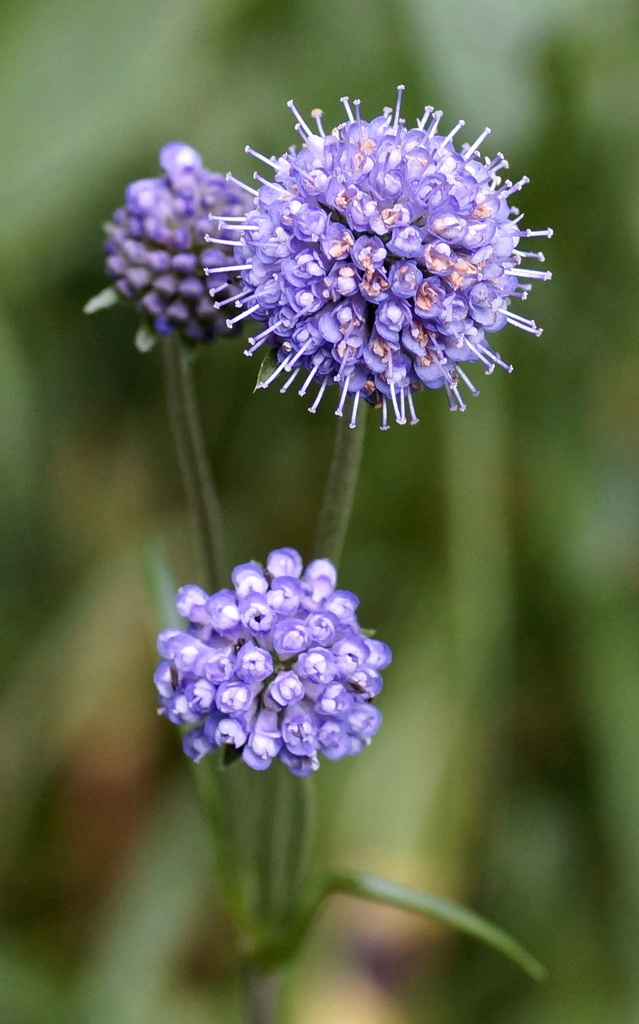
—observations
—countries
—peak records
Least ConcernConservation statusIUCN Red List categoriesLCNTVUENCREWEXLeast ConcernRed List categories, explained →
Diet & preySunlight, Water, Soil Nutrients
Predators
- Marsh Fritillary Caterpillars
- Grazing Livestock
- Snails and Slugs
ThreatsAgricultural intensification, meadow drainage, overgrazing
HabitatsDamp grasslands, heathlands, fens, and chalk downland
Life spanPerennial (10+ years)
Classification
- OrderDipsacales
- FamilyCaprifoliaceae
- GenusSuccisa
- SpeciesSuccisa pratensis
Range data is not available yet.
Interaction riskLow
- Low
- Moderate
- High
- Very high
- Why interaction risk is low
- Safe to observe at a normal distance.
Responsible observation
- Peak bloom: Look for vibrant deep blue-violet pincushion blossoms from July through October.
- Butterfly spotting: Check dense patches in damp meadows for feeding Marsh Fritillary butterflies.
- Root inspection: Examine fallen or eroded specimens to see the characteristic blunt-ended rootstock.
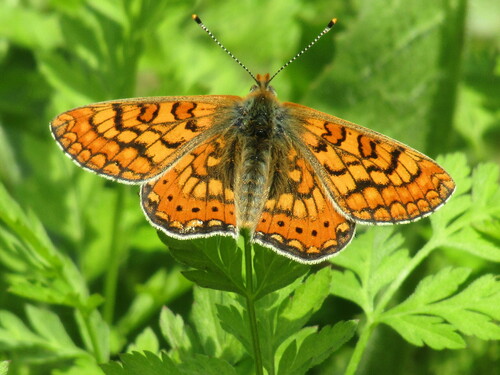
Host Plant (c) SteveM4560, some rights reserved (CC BY) · cc-by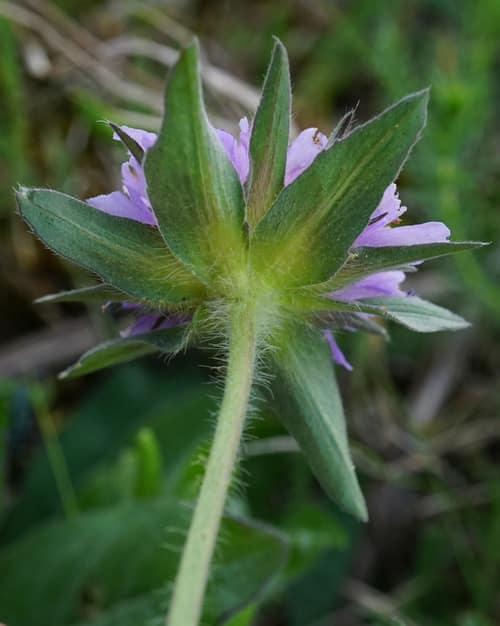
Look-Alike (c) Patrick Hacker, some rights reserved (CC BY), uploaded by Patrick Hacker · cc-by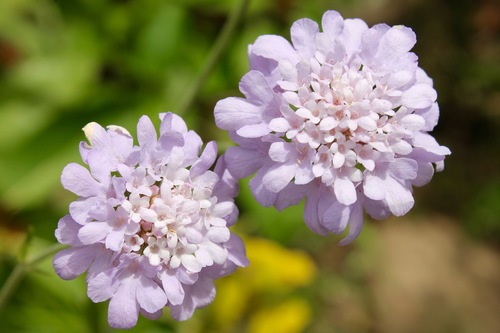
Look-Alike (c) Rebecca Ryen-Stols, some rights reserved (CC BY-SA), uploaded by Rebecca Ryen-Stols · cc-by-sa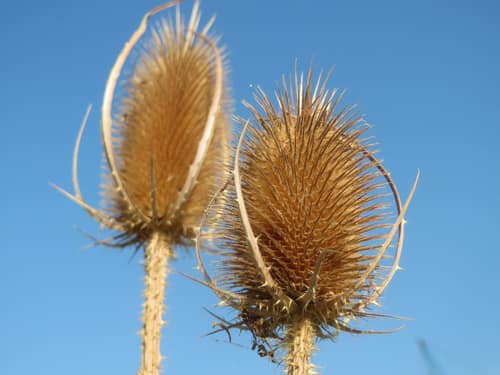
Close Relative (c) Andreas Rockstein, some rights reserved (CC BY-SA) · cc-by-sa
Help improve the field guideSomething wrong?
Checking your Fauna account…Report a name, category, or profile issue for review.