
Plant
Coralberry
Symphoricarpos orbiculatusAlso known as Buckbrush, Indian Currant
Coralberry forms dense, arching thickets across eastern North American woodlands, fields, and fencerows. In late spring, small greenish-white to pink flowers bloom in tight clusters, attracting native bees and foliage-feeding caterpillars. By late autumn, these give way to striking magenta-pink berry clusters that cling to leafless branches throughout winter, providing crucial emergency forage for songbirds.
Deciduous ShrubMagenta BerriesThicket Forming
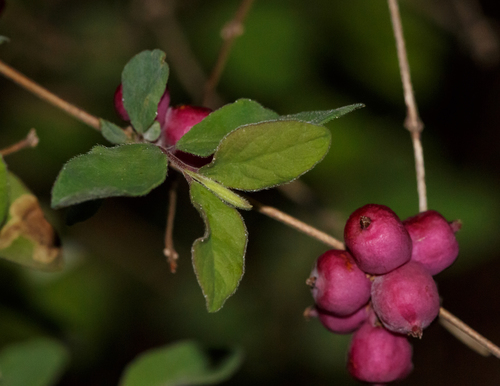
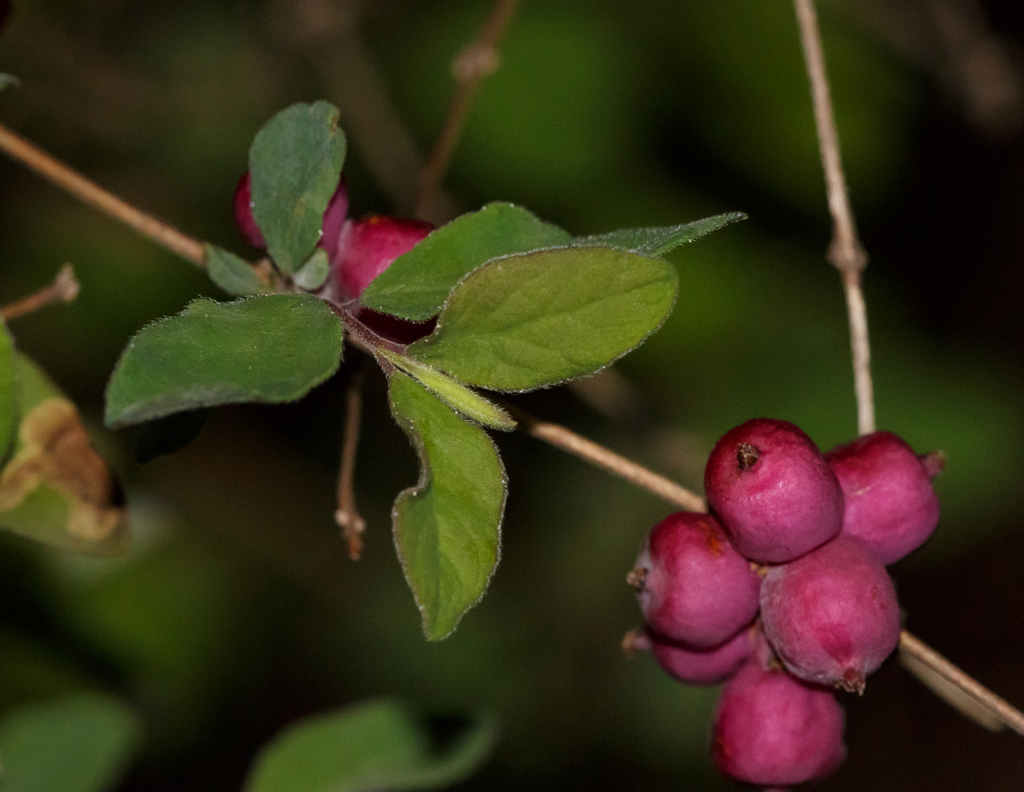
—observations
—countries
—peak records
Least ConcernConservation statusIUCN Red List categoriesLCNTVUENCREWEXLeast ConcernRed List categories, explained →
Diet & preyAutotrophic
Predators
- White-tailed Deer
- Cottontail Rabbit
ThreatsBrush clearing, invasive weed competition
HabitatsOpen woodlands, thickets, fencerows, pasture edges
Life span10–20 years
Classification
- OrderDipsacales
- FamilyCaprifoliaceae
- GenusSymphoricarpos
- SpeciesSymphoricarpos orbiculatus
Range data is not available yet.
Interaction riskHigh
- Low
- Moderate
- High
- Very high
- Why interaction risk is high
- Wild berries have toxic look-alikes and contain saponins; never eat based on app identification alone.
- Why it is dangerous
- Contains saponins that cause nausea, vomiting, and stomach cramps if consumed in quantity.
- How to recognize a risky encounter
- Recognized by arching woody stems, small opposite leaves, and tightly packed pinkish-purple berry clusters.
- What to do
- Observe at a close distance and do not consume any plant parts.
Responsible observation
- Winter Identification: Look for clusters of vibrant magenta berries adhering to leafless stems.
- Landscaping: Plant on slopes to stabilize soil and create thick cover for small wildlife.
- Wildlife Watching: Observe late winter songbirds feeding on persistent winter fruits.
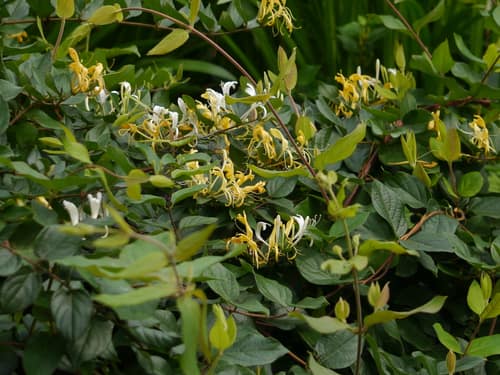
Invasive Competitor (c) Dinesh Valke, some rights reserved (CC BY-SA) · cc-by-sa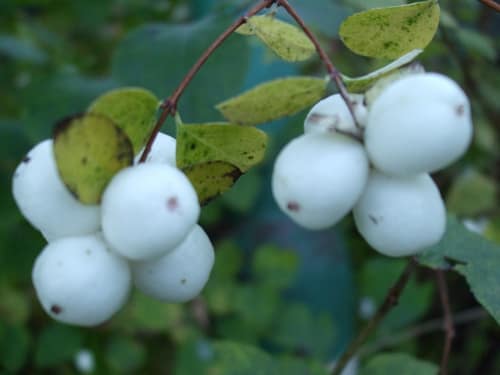
Close Relative (c) tomasz przechlewski, some rights reserved (CC BY) · cc-by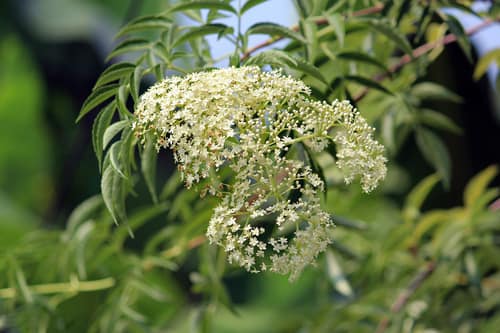
Distant Relative (c) Rison Thumboor, some rights reserved (CC BY-SA) · cc-by-sa
Help improve the field guideSomething wrong?
Checking your Fauna account…Report a name, category, or profile issue for review.