
Plant
Squashberry
Viburnum eduleAlso known as Mooseberry, Lowbush Cranberry, Pembina, Moosomin
Squashberry is a cold-hardy deciduous shrub native to moist northern forests, stream banks, and subalpine thickets across boreal North America. In late spring, it produces compact flat-topped clusters of small white flowers that lack the enlarged sterile outer florets seen in related viburnums. The glossy red to orange drupes persist late into autumn, serving as an important seasonal food resource for bears, moose, and foraging songbirds.
DeciduousShrubBoreal
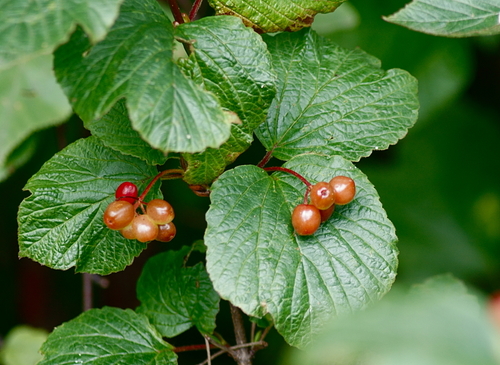
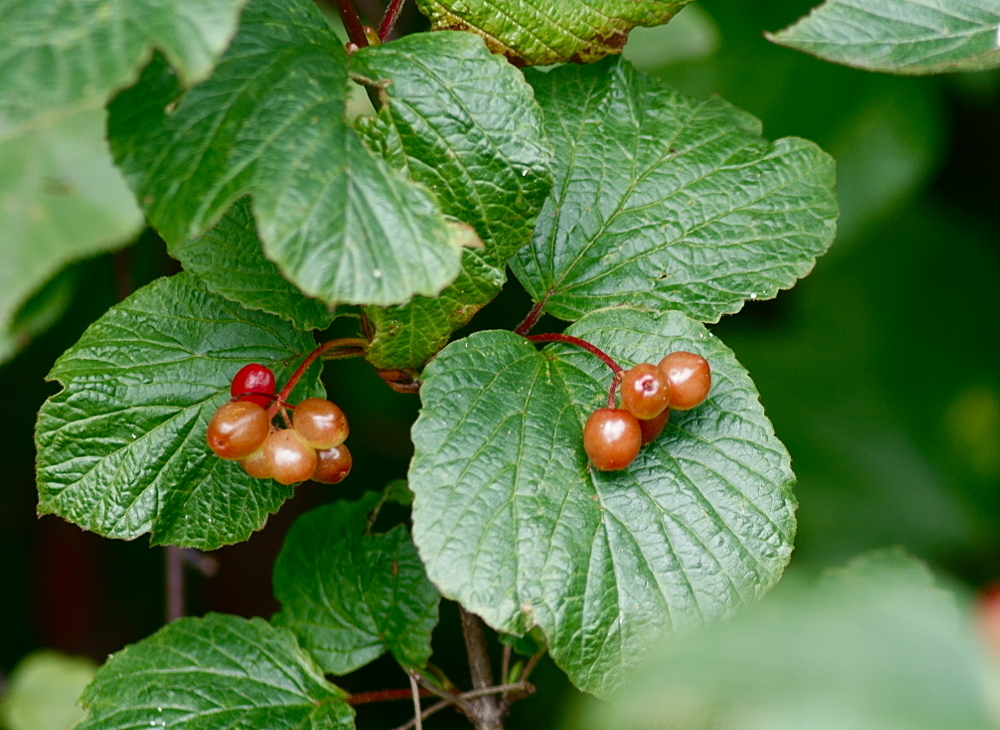
—observations
—countries
—peak records
Least ConcernConservation statusIUCN Red List categoriesLCNTVUENCREWEXLeast ConcernRed List categories, explained →
Diet & preyAutotrophic (photosynthesis)
Predators
- Moose
- American Black Bear
- Bohemian Waxwing
ThreatsHabitat clearing, invasive species competition, and changing wetland hydrology
HabitatsMoist boreal forests, stream banks, muskeg borders, and mountain thickets
Life span20 to 50 years
Classification
- OrderDipsacales
- FamilyViburnaceae
- GenusViburnum
- SpeciesViburnum edule
Range data is not available yet.
Interaction riskLow
- Low
- Moderate
- High
- Very high
- Why interaction risk is low
- Wild berries have toxic look-alikes; never eat based on app identification alone.
Responsible observation
- Identification: Look for opposite, shallowly three-lobed leaves on smooth, slender reddish-brown twigs.
- Habitat Clues: Search along shaded streambeds, damp forest borders, and mossy wetland edges.
- Seasonal Timing: Watch for small creamy-white flower clusters in June followed by bright red drupes in August.
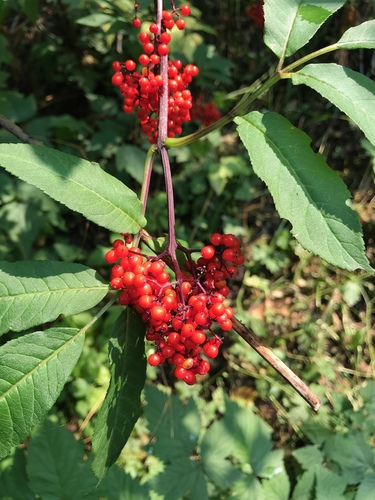
Frequent Companion no rights reserved, uploaded by neotrigonia · cc0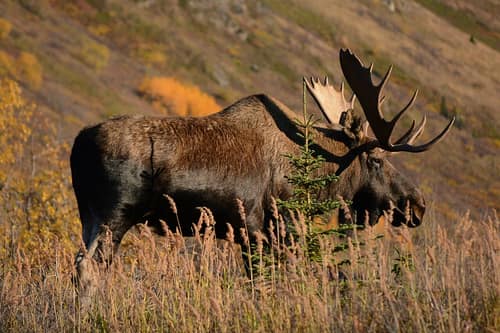
Herbivore Paxson Woelber / CC BY-SA 4.0 · cc-by-sa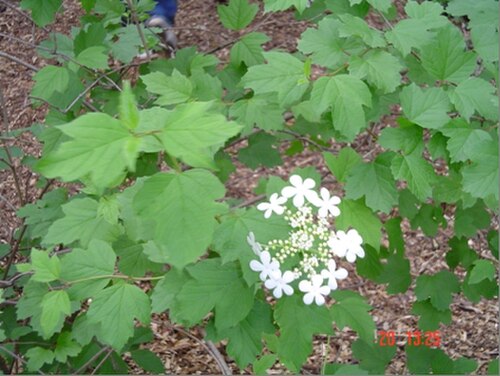
Close Relative Edward Tremel (Edward Tremel) / CC BY-SA 3.0 · cc-by-sa
Close Relative (c) Emily Summerbell, some rights reserved (CC BY), uploaded by Emily Summerbell · cc-by
Help improve the field guideSomething wrong?
Checking your Fauna account…Report a name, category, or profile issue for review.