
Plant · GBIF taxon 2888608
Blackhaw
Viburnum prunifoliumAlso known as Black Haw Viburnum, Sweet Viburnum, Stagbush, Plumleaf Viburnum
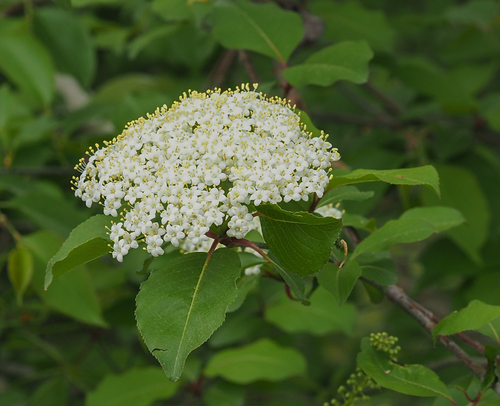
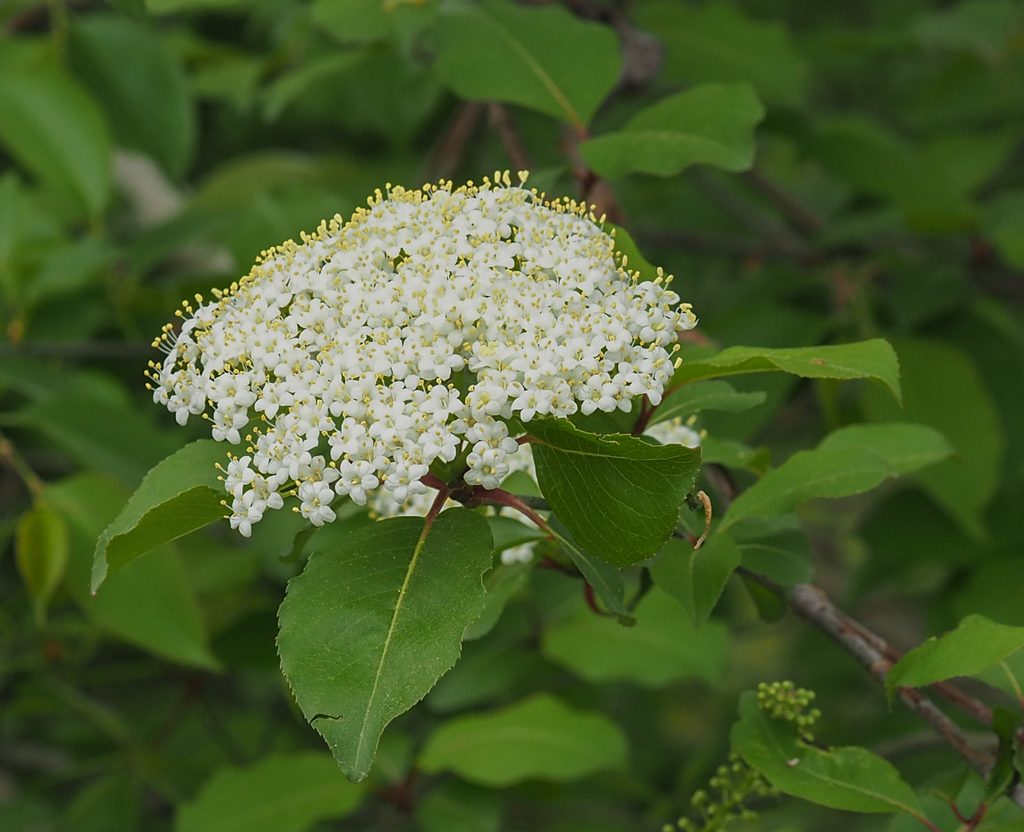
Blackhaw is a sturdy deciduous shrub or small understory tree celebrated for its dense clusters of creamy white spring flowers and plum-like foliage that turns rich shades of crimson and purple in autumn. Its pendulous clusters of dark blue-black drupes persist well into winter, serving as a critical cold-season food reservoir for songbirds and small mammals. Adapted to a wide variety of moisture regimes, it thrives along woodland borders, thickets, and rocky riverbanks across eastern North America.
DeciduousFloweringWildlife Host
—observations
—countries
—peak records
Least ConcernConservation statusIUCN Red List categoriesLCNTVUENCREWEXLeast ConcernRed List categories, explained →
Diet & prey
- Autotrophic (photosynthetic)
Predators
- White-tailed Deer
- Eastern Cottontail
- Viburnum Leaf Beetle
ThreatsHabitat fragmentation, competition from invasive shrubs, and heavy deer browsing
HabitatsDeciduous woodlands, forest edges, rocky hillsides, thickets, and stream banks
Life span30–50 years
Size / weightNot available
Classification
- OrderDipsacales
- FamilyViburnaceae
- GenusViburnum
- SpeciesViburnum prunifolium
Range data is not available yet.
Interaction riskLow
- Low
- Moderate
- High
- Very high
- Why interaction risk is low
- Wild berries have toxic look-alikes; never eat based on app identification alone.
Responsible observation
- Spring Bloom: Look for flat-topped clusters of fragrant white flowers opening from April to May.
- Winter Identification: Check for smooth, dull black winter twigs with distinctive alligator-skin bark on mature trunks.
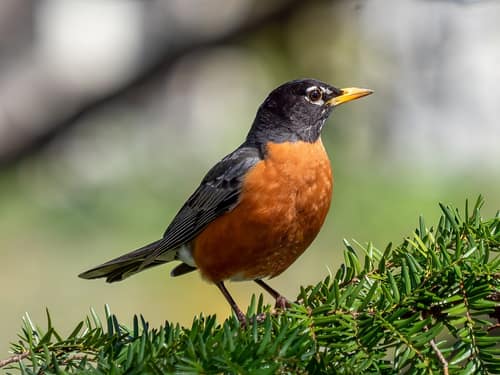
Seed Disperser Rhododendrites / CC BY-SA 4.0 · cc-by-sa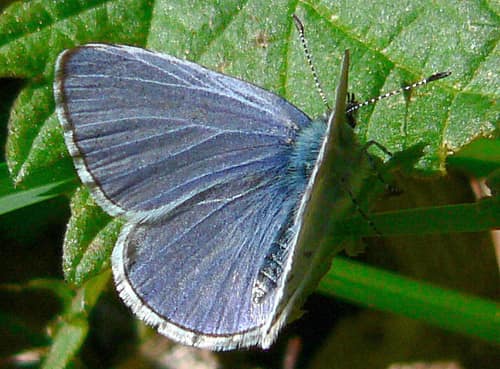
Host Plant Walter Siegmund / CC BY 2.5 · cc-by
Close Relative (c) Emily Summerbell, some rights reserved (CC BY), uploaded by Emily Summerbell · cc-by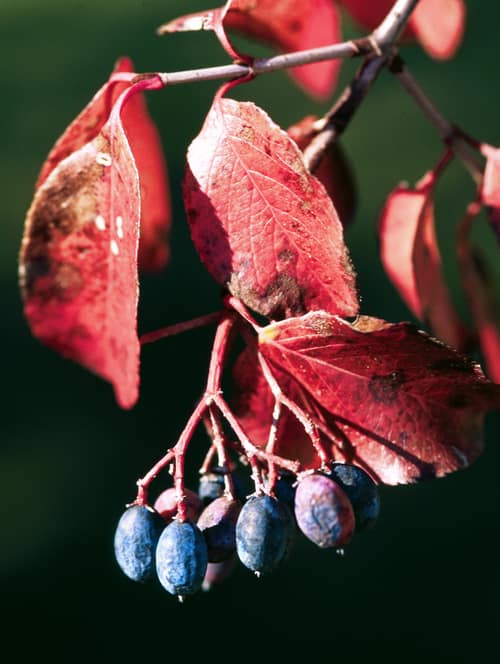
Close Relative (c) Ted Bodner, Southern Weed Science Society / James H. Miller, USDA Forest Service, some rights reserved (CC BY) · cc-by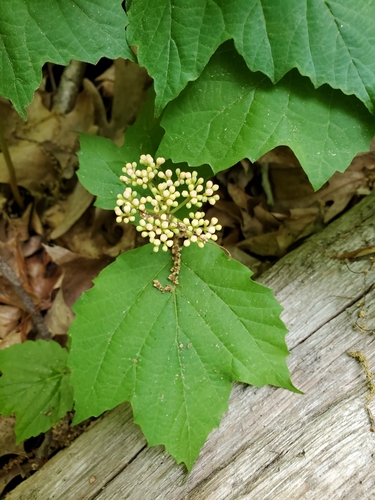
Close Relative (c) Steve Young, some rights reserved (CC BY), uploaded by Steve Young · cc-by
Help improve the field guideSomething wrong?
Checking your Fauna account…Report a name, category, or profile issue for review.