
Plant
Guelder-rose
Viburnum opulusAlso known as Water Elder, European Cranberrybush, Snowball Tree, Cranberry Bush
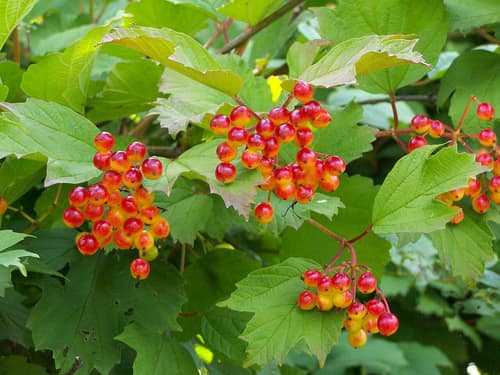
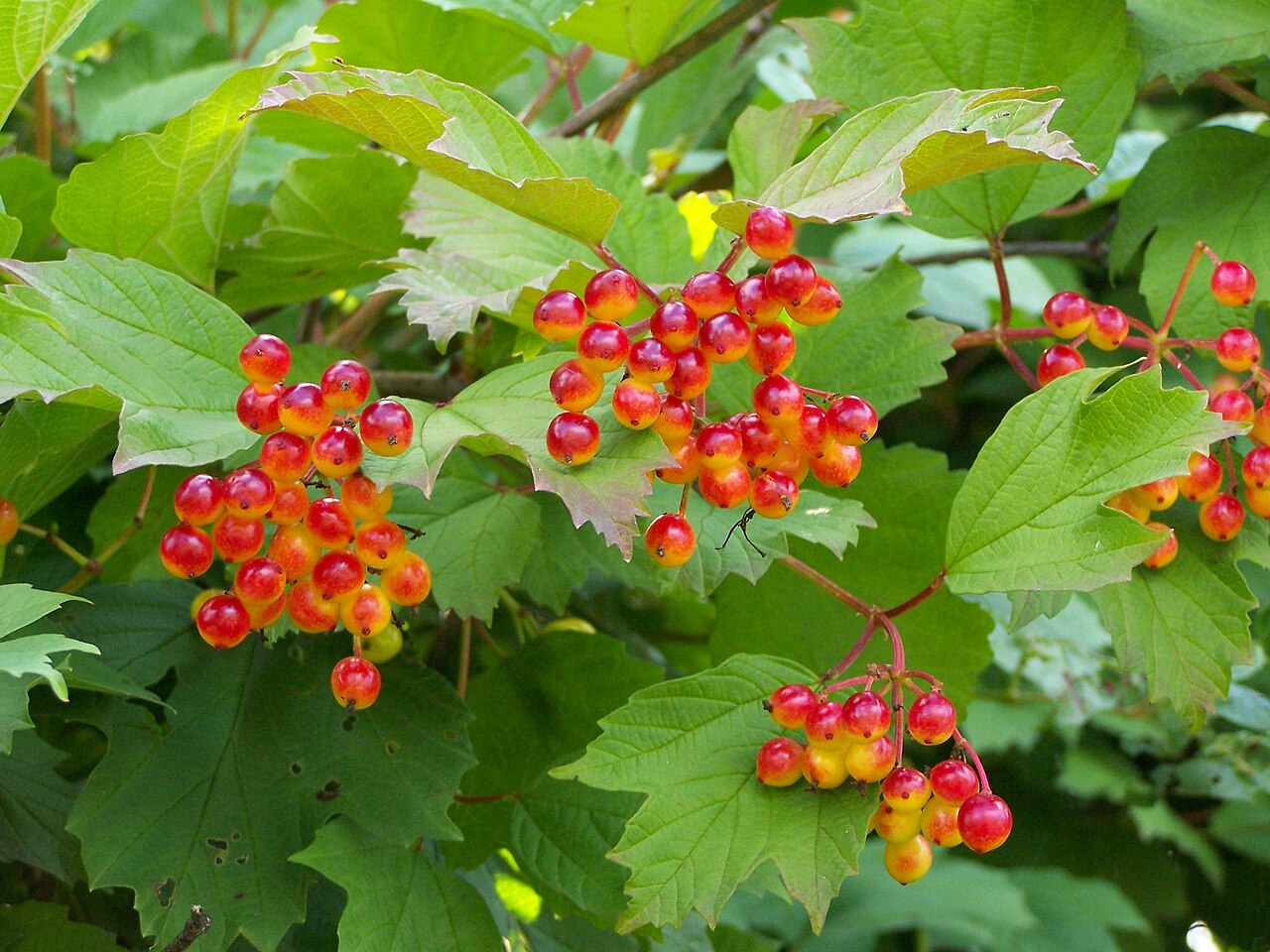
Guelder-rose adorns damp woodlands and hedgerows with large lacecap clusters of snowy white flowers in early summer, framed by three-lobed leaves that turn brilliant scarlet in autumn. The outer ring of large petals is sterile, serving solely to attract pollinators to the tiny fertile blooms nestled in the center. Bright translucent red berries hang on the branches well into winter, providing a vital food source for thrushes and wintering waxwings.
DeciduousFloweringRed Berries
—observations
—countries
—peak records
Least ConcernConservation statusIUCN Red List categoriesLCNTVUENCREWEXLeast ConcernRed List categories, explained →
Diet & preyAutotrophic (Photosynthetic)
Predators
- Viburnum Leaf Beetle
- Aphids
- Mice
ThreatsHabitat clearance, viburnum leaf beetle infestation
HabitatsDamp woodlands, scrub, hedgerows, riverbanks
Life span40–80 years
Classification
- OrderDipsacales
- FamilyViburnaceae
- GenusViburnum
- SpeciesViburnum opulus
Range data is not available yet.
Interaction riskHigh
- Low
- Moderate
- High
- Very high
- Why interaction risk is high
- Raw berries cause digestive upset and have toxic look-alikes; never eat wild fruit.
- Why it is dangerous
- Berries and bark contain viburnin and saponins that cause nausea, vomiting, and cramps if consumed raw.
- How to recognize a risky encounter
- Look for maple-like three-lobed leaves, lacecap white flower clusters, and translucent red berries.
- What to do
- Do not consume wild berries and supervise pets around fruiting shrubs in autumn.
Responsible observation
- Spring Blooms: Look for outer rings of larger sterile flowers that lure pollinators to central fertile blooms.
- Autumn Foliage: Observe the three-lobed leaves turning vibrant crimson as temperatures drop in autumn.
- Winter Birding: Watch for waxwings and thrushes feeding on bright translucent berries lingering in cold months.
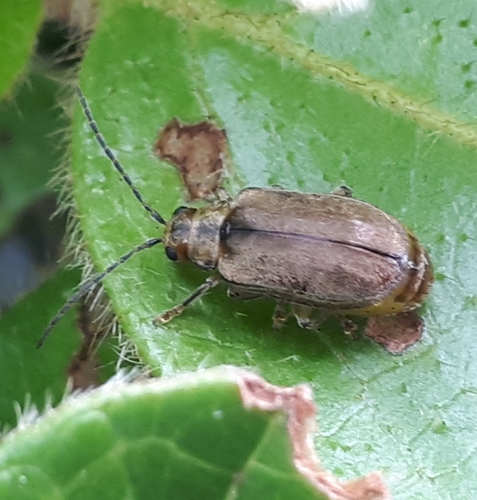
Herbivore (c) Céline, some rights reserved (CC BY) · cc-by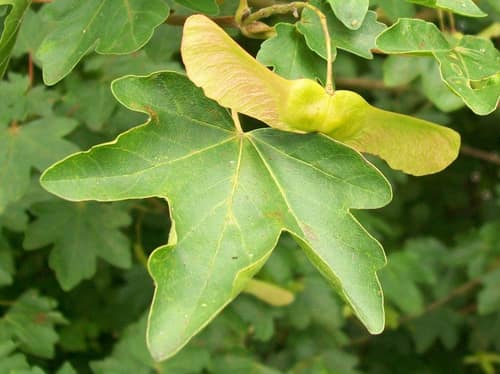
Frequent Companion (c) Peter O'Connor, some rights reserved (CC BY-SA) · cc-by-sa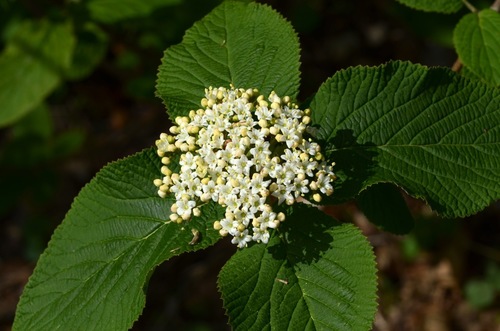
Close Relative (c) Radio Tonreg, some rights reserved (CC BY) · cc-by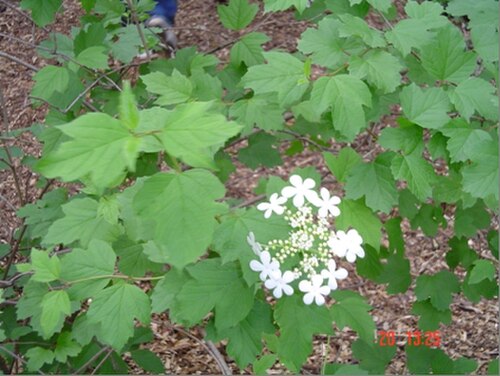
Close Relative Edward Tremel (Edward Tremel) / CC BY-SA 3.0 · cc-by-sa
Help improve the field guideSomething wrong?
Checking your Fauna account…Report a name, category, or profile issue for review.