
Plant
Laurustinus Viburnum
Viburnum tinusAlso known as Laurustine
Laurustinus is a dense evergreen shrub celebrated across the Mediterranean for bridging the coldest months with vibrant floral color. Flattened umbels of blush-pink buds open into starry white blooms that flower continuously from late autumn well into early spring, providing an indispensable winter nectar source for emerging bumblebees and hoverflies. As flowers fade, they mature into distinctive clusters of metallic, deep metallic-blue drupes that songbirds greedily consume and disperse throughout scrubland understories.
EvergreenWinter-BloomingMediterranean
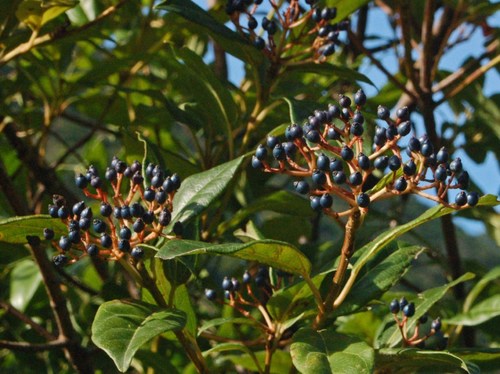
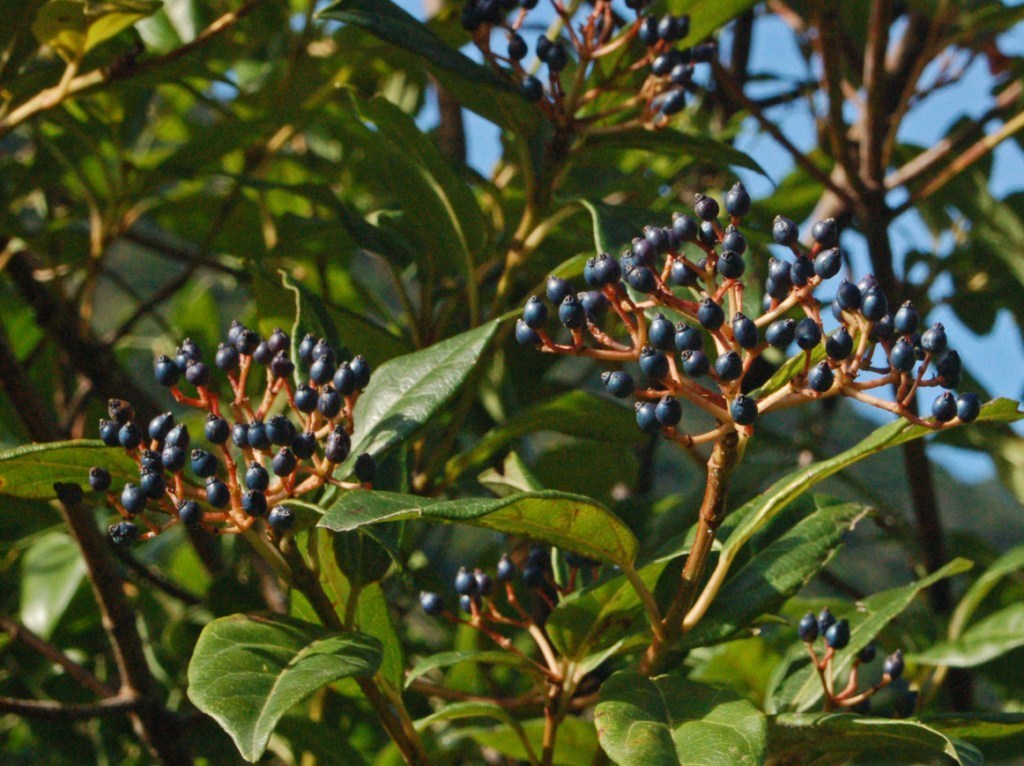
—observations
—countries
—peak records
Least ConcernConservation statusIUCN Red List categoriesLCNTVUENCREWEXLeast ConcernRed List categories, explained →
Diet & preyAutotrophic (photosynthesis)
Predators
- Viburnum Leaf Beetle
- Black Bean Aphid
- Thrips
ThreatsViburnum leaf beetle defoliation, extreme winter hard freezes, and urban clearance
HabitatsMediterranean scrub, maquis, open oak woodlands, rocky hillsides, and coastal gardens
Life span30–50 years
Classification
- OrderDipsacales
- FamilyViburnaceae
- GenusViburnum
- SpeciesViburnum tinus
Range data is not available yet.
Interaction riskHigh
- Low
- Moderate
- High
- Very high
- Why interaction risk is high
- Berries cause digestive distress if eaten; wild berries also have toxic look-alikes, so never ingest.
- Why it is dangerous
- Contains bitter glycosides and tannins that provoke stomach cramps, nausea, vomiting, and diarrhea if leaves or fruit are swallowed in volume.
- How to recognize a risky encounter
- Look for glossy, oval leathery leaves, dense clusters of pink-to-white flowers in winter, and metallic iridescent blue-black fruits.
- What to do
- Keep ornamental plantings out of reach of curious pets and toddlers, and never harvest wild berries for culinary use.
Responsible observation
- Pruning Time: Trim lightly in late spring after flowering completes so summer growth can set next winter's flower buds.
- Pollinator Shelter: Site in sheltered, sunny borders to offer early season nectar to winter-active bees and hoverflies.
- Leaf Monitoring: Inspect lower leaf surfaces in spring to intercept skeletonizing viburnum leaf beetle larvae early.
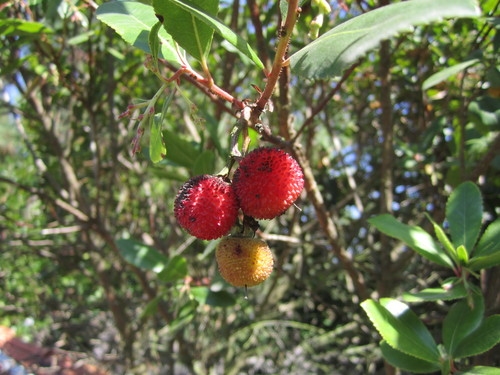
Habitat Neighbor (c) Duarte Frade, some rights reserved (CC BY), uploaded by Duarte Frade · cc-by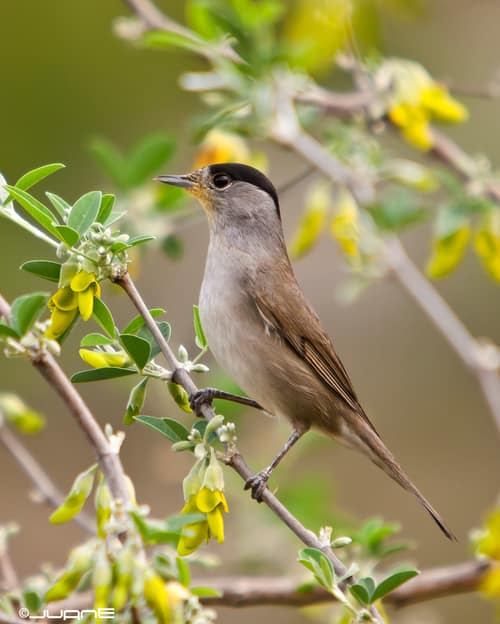
Seed Disperser (c) Juan Emilio, some rights reserved (CC BY-SA) · cc-by-sa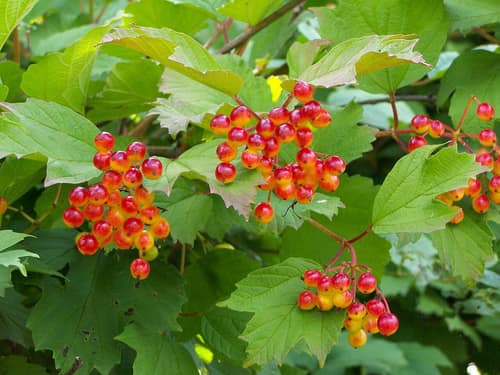
Close Relative Lestat (Jan Mehlich) / CC BY-SA 3.0 · cc-by-sa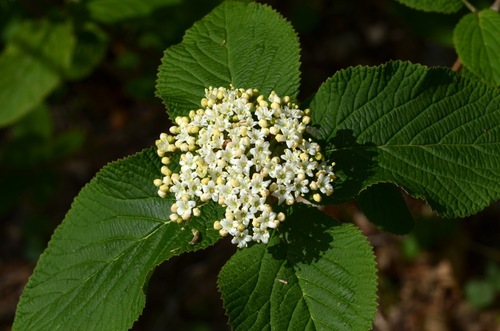
Close Relative (c) Radio Tonreg, some rights reserved (CC BY) · cc-by
Help improve the field guideSomething wrong?
Checking your Fauna account…Report a name, category, or profile issue for review.