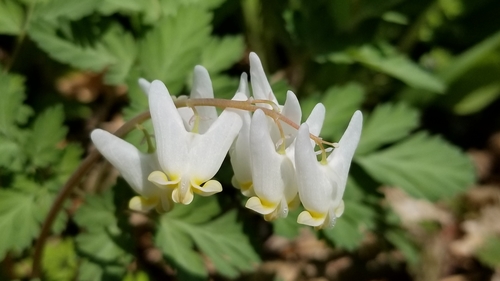
Also known as Bleeding Heart, Lyre Flower, Lady in a Bath
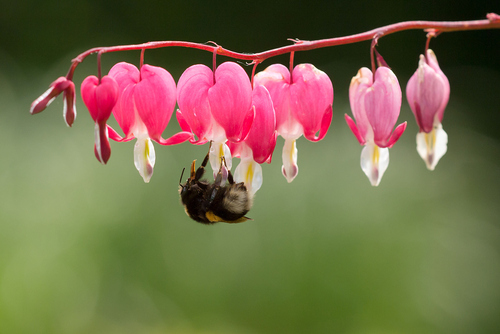
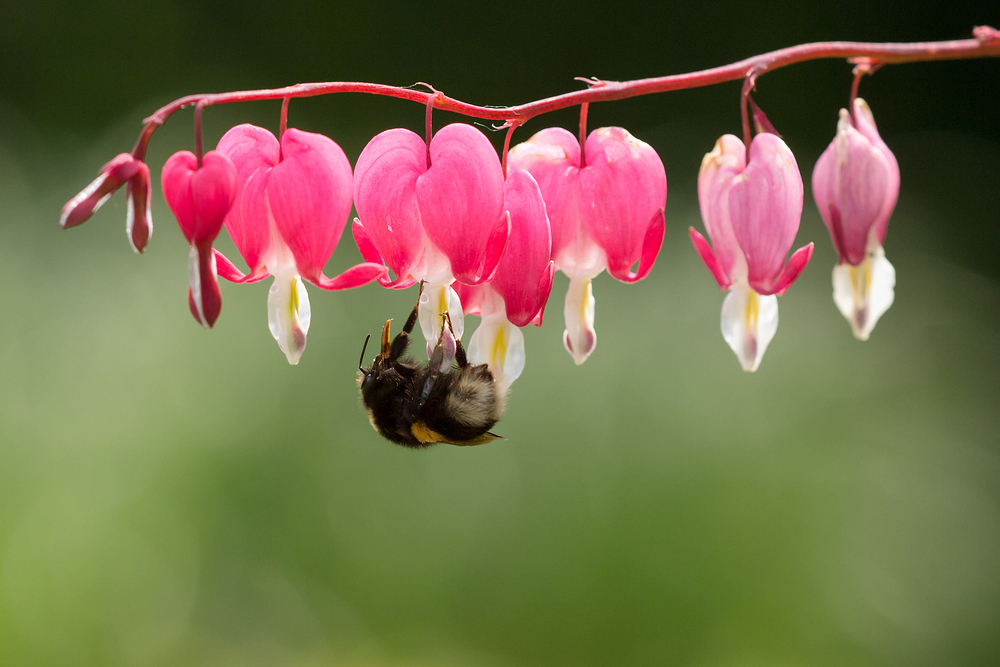
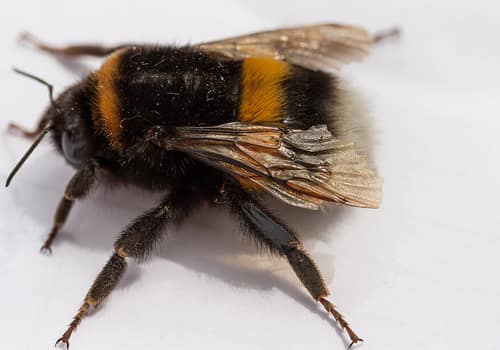
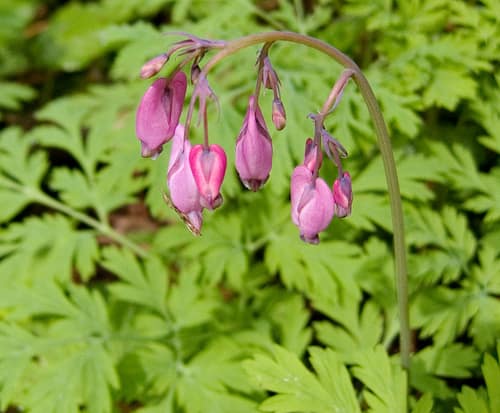
Asian bleeding-heart emerges early in spring, unfurling delicate, deeply lobed foliage beneath forest canopies before trees fully leaf out. Arching stems produce horizontal sprays of pendulous, heart-shaped pink flowers with white inner petals protruding below, tailored specifically for long-tongued bees. As summer temperatures rise and woodland soils dry out, the entire aboveground plant typically dies back to underground rhizomes to wait out the heat in dormancy.
Not EvaluatedConservation statusIUCN Red List categoriesLCNTVUENCREWEXNot Evaluated — not placed on the risk ladderRed List categories, explained →
Key facts
Diet & preyAutotrophic (photosynthetic)
Predators
Garden snail
Common slug
Green peach aphid
ThreatsDeforestation, summer drought, and competition from invasive understory plants
HabitatsDeciduous broadleaf forests, moist mountain slopes, and shaded valleys
Life span10–25 years
Classification
OrderRanunculales
FamilyPapaveraceae
GenusLamprocapnos
SpeciesLamprocapnos spectabilis
Range & activity
Range data is not available yet.
Safe observation
Interaction riskHigh
Low
Moderate
High
Very high
Why interaction risk is high
Contains alkaloids toxic to humans and pets, with sap that can irritate sensitive skin.
Why it is dangerous
Contains isoquinoline alkaloids like protopine and sanguinarine, causing gastrointestinal distress, tremors, and cardiac irregularities if eaten, alongside contact dermatitis from broken stems.
How to recognize a risky encounter
Look for distinctively pendulous, heart-shaped flowers dangling along arching stems above deeply dissected blue-green leaves.
What to do
Wear protective gloves when dividing crowns or trimming foliage, and keep curious dogs and cats from chewing the plant.
Responsible observation
Garden placement: Situate in dappled shade with consistently moist, humus-rich soil to delay summer dormancy.
Handling precautions: Wear gardening gloves when trimming spent stalks to prevent allergic contact dermatitis.
Companion planting: Pair with broad-leaved hostas or ferns to conceal empty spaces when foliage disappears in midsummer.