
Plant · GBIF taxon 2888466
Celandine Poppy
Stylophorum diphyllumAlso known as Wood Poppy, Yellow Poppy, Celandine Wood Poppy
Celandine poppies emerge early each spring to carpet moist deciduous woodlands with brilliant, four-petaled yellow blossoms. Their deeply lobed, pale blue-green foliage provides a lush backdrop for fuzzy, nodding seed pods that develop as summer approaches. When broken, the stems yield a bright yellow latex sap rich in defensive alkaloids, helping protect the plant from browsing herbivores.
Spring EphemeralYellow BloomWoodland Wildflower
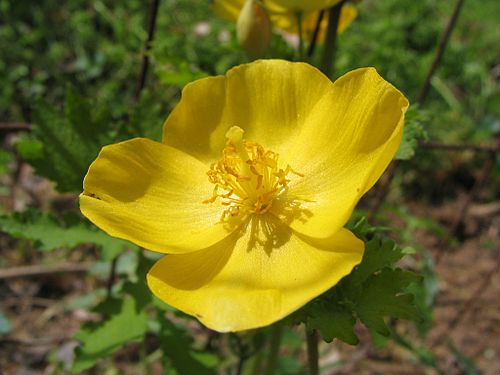
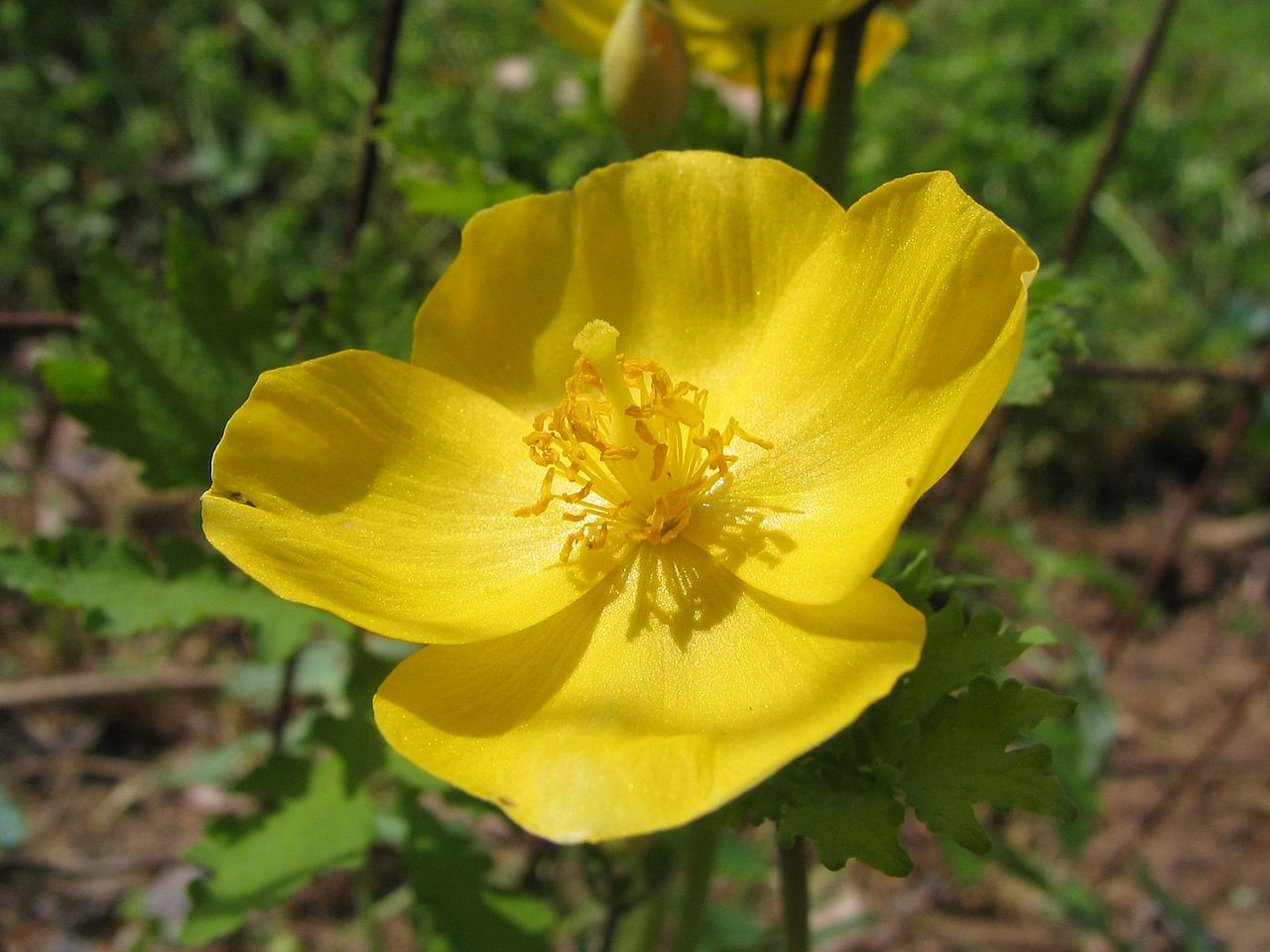
Licensed referenceWikimedia Commons / CC BY-SA 3.0 · cc-by-sa
—observations
—countries
—peak records
Least ConcernConservation statusIUCN Red List categoriesLCNTVUENCREWEXLeast ConcernRed List categories, explained →
Diet & prey
- Bee Pollinators
- Hoverflies
- Soil Nutrients
Predators
- White-Tailed Deer
- Slugs
- Snails
ThreatsHabitat fragmentation, invasive garlic mustard, overgrazing by deer
HabitatsMoist deciduous forests, rich ravine slopes, limestone woodlands
Life spanPerennial (10–20 years)
Classification
- OrderRanunculales
- FamilyPapaveraceae
- GenusStylophorum
- SpeciesStylophorum diphyllum
Range data is not available yet.
Interaction riskHigh
- Low
- Moderate
- High
- Very high
- Why interaction risk is high
- Contains toxic isoquinoline alkaloids; do not ingest and wash skin after touching broken stems.
- Why it is dangerous
- Yellow latex sap contains isoquinoline alkaloids that cause nausea, vomiting, and oral irritation if consumed.
- How to recognize a risky encounter
- Look for deeply lobed blue-green leaves, four yellow petals, and hairy, egg-shaped drooping seed pods.
- What to do
- Wash skin with soap and water if yellow sap makes contact, and keep pets from chewing foliage.
Responsible observation
- Spring Timing: Look for four-petaled yellow flowers blooming in rich woods from April through May.
- Observe Seed Pods: Check mature plants in late spring for fuzzy, drooping seed pods.
- Latex Caution: Avoid snapping stems, as the bright yellow sap can stain clothing and irritate sensitive skin.
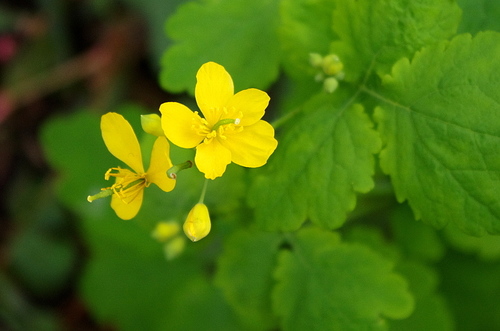
Invasive Look-Alike (c) Георгий Виноградов (Georgy Vinogradov), some rights reserved (CC BY), uploaded by Георгий Виноградов (Georgy Vinogradov) · cc-by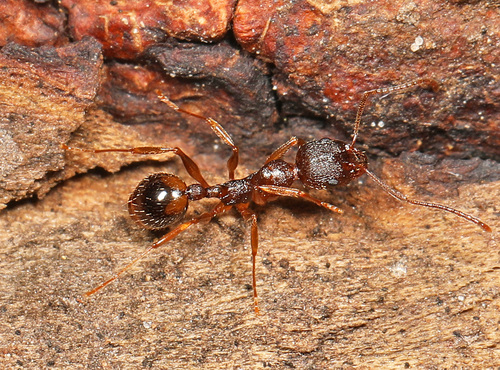
Seed Disperser (c) Judy Gallagher, some rights reserved (CC BY-SA), uploaded by Judy Gallagher · cc-by-sa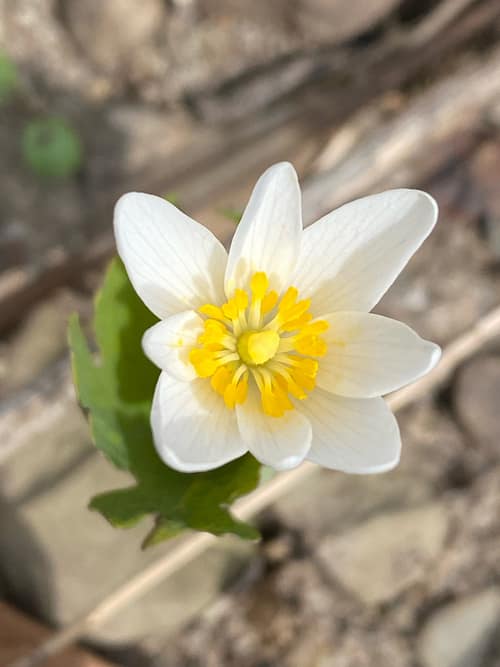
Close Relative (c) mrdace, some rights reserved (CC BY), uploaded by mrdace · cc-by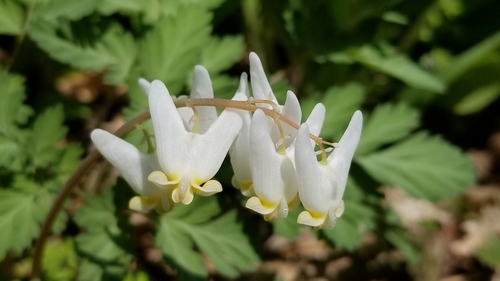
Family Member (c) Ana Ka'ahanui, some rights reserved (CC BY), uploaded by Ana Ka'ahanui · cc-by
Help improve the field guideSomething wrong?
Checking your Fauna account…Report a name, category, or profile issue for review.