
Plant · GBIF taxon 2888342
Pinesap
Hypopitys monotropaAlso known as Yellow Bird's Nest, False Beechdrops
Pinesap emerges from deep forest floor litter as a yellowish or reddish stem, entirely devoid of chlorophyll. Instead of photosynthesizing, it derives all carbon and nutrients by parasitizing mycorrhizal fungi connected to nearby pine and beech trees. A cluster of nodding bell-like flowers crowns the stalk, slowly straightening as its seeds mature in autumn.
MycoheterotrophForest DwellerChlorophyll-Free
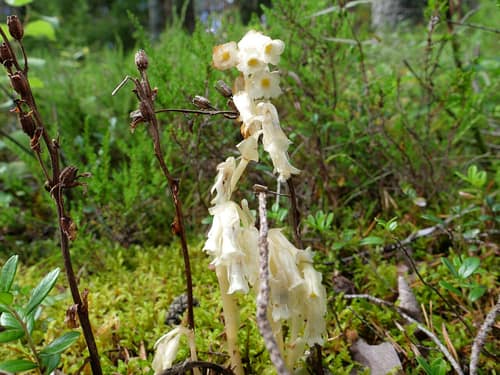
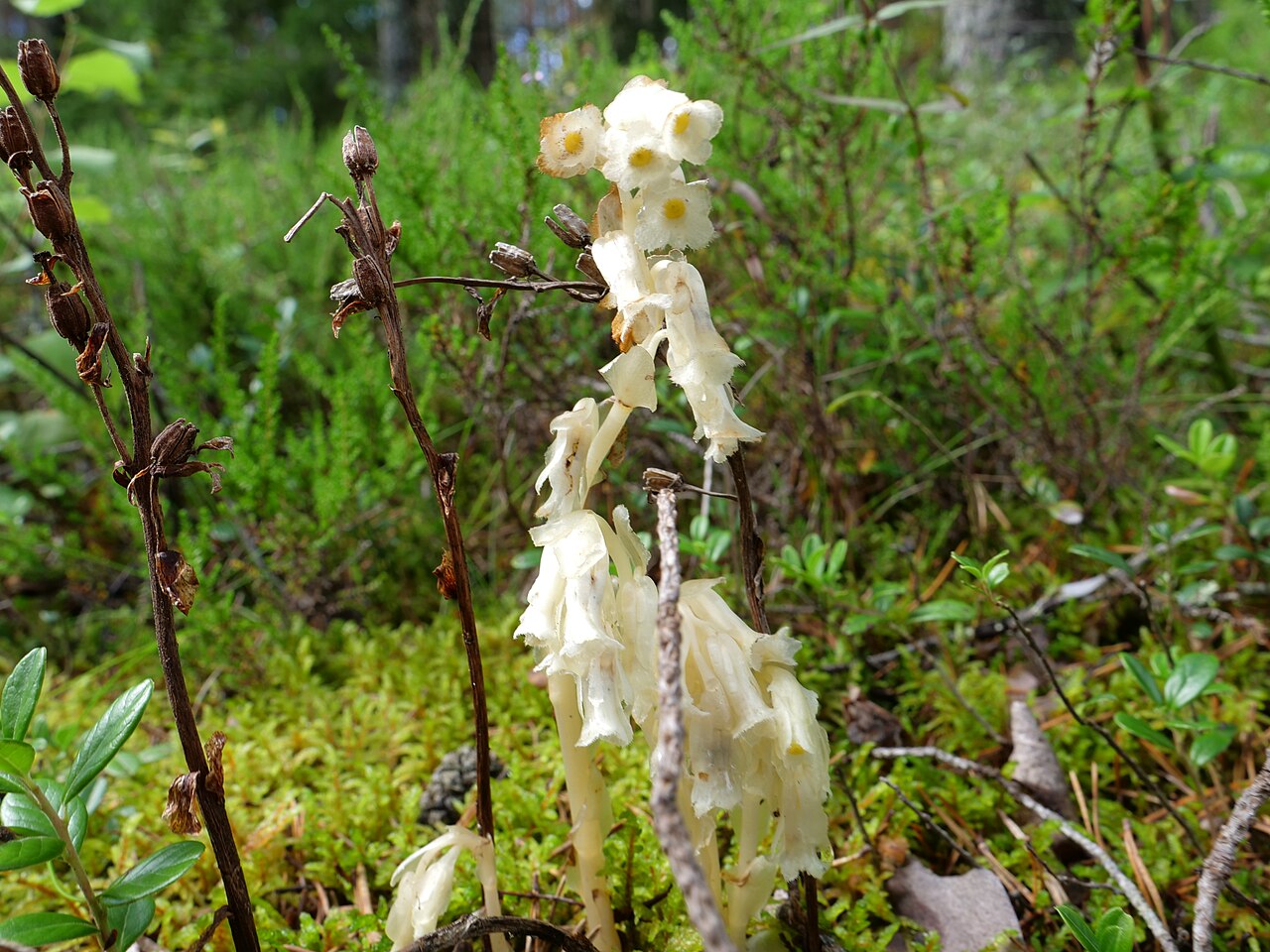
Licensed referenceLeonhard Lenz / CC BY-SA 4.0 · cc-by-sa
—observations
—countries
—peak records
Least ConcernConservation statusIUCN Red List categoriesLCNTVUENCREWEXLeast ConcernRed List categories, explained →
Diet & prey
- Mycoheterotrophic (parasitizes fungal networks)
Predators
- Slugs
- Deer
- Small rodents
ThreatsForest fragmentation and soil compaction
HabitatsConiferous and deciduous woodlands
Life spanPerennial
Size / weightNot available
Classification
- OrderEricales
- FamilyEricaceae
- GenusHypopitys
- SpeciesHypopitys monotropa
Range data is not available yet.
Interaction riskLow
- Low
- Moderate
- High
- Very high
- Why interaction risk is low
- Safe to observe at a normal distance.
Responsible observation
- Observation: Look closely in dark pine or beech leaf litter from midsummer through early autumn.
- Care: Leave the delicate stems intact to avoid disrupting fragile underground fungal threads.
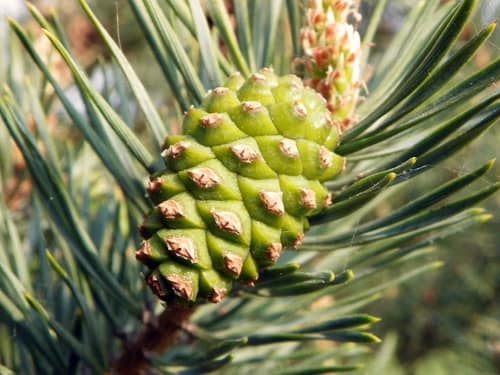
Host Tree (c) anemoneprojectors (no internet at the moment), some rights reserved (CC BY-SA) · cc-by-sa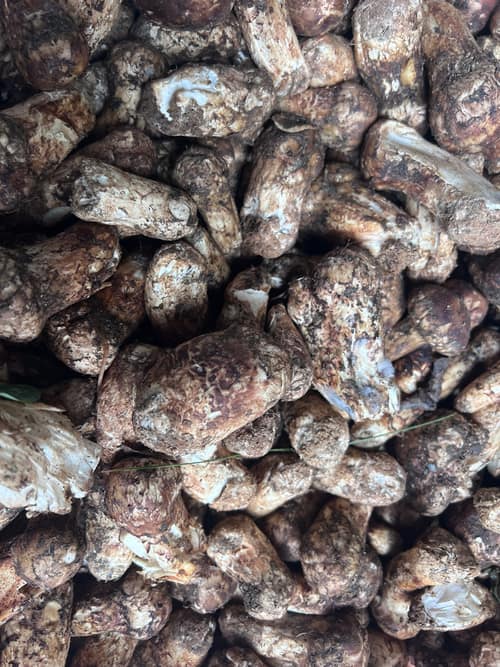
Fungal Host (c) TonyT, some rights reserved (CC BY) · cc-by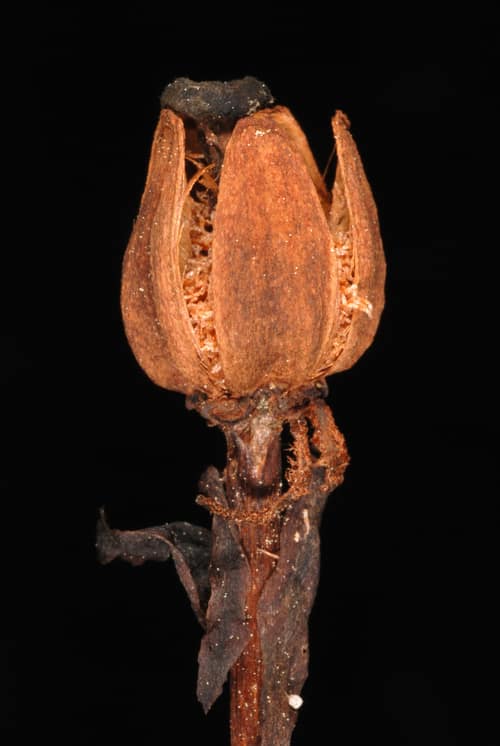
Close Relative (c) Douglas Goldman, some rights reserved (CC BY-SA), uploaded by Douglas Goldman · cc-by-sa
Help improve the field guideSomething wrong?
Checking your Fauna account…Report a name, category, or profile issue for review.